Many consultants struggle with how to structure their offer, but finding a professional consulting proposal template seniors can trust is often the first step toward closing high-value deals. Let me describe what most consulting proposals look like…
Page one usually features a cover with the consultant’s name, logo, and a generic stock photo. Moving to page two, you find a biography filled with credentials, years of experience, and previous employers. The third page often introduces ‘About Our Approach’—paragraphs of methodology that could apply to almost any industry. Next comes the scope of work on page four, followed by the investment details on page five. Finally, page six concludes the document with terms and conditions.
This is the proposal format that’s been passed down through consulting culture for decades. It’s also, by almost every measure, the wrong way to do it.
Here’s the thing nobody tells you: by the time a prospective client opens your proposal, they’ve already decided whether they want to work with you. The proposal isn’t making that decision — the conversation that preceded it made that decision. What the proposal does is either confirm their instinct or give them a reason to hesitate.
A consulting proposal template seniors use to actually win clients does something much simpler than what most people send. It shows the client, in the first thirty seconds of reading, that you understood their problem precisely — better, possibly, than they could articulate it themselves. Everything else follows from that.
This guide walks through exactly how to build that kind of proposal, with real before-and-after examples at every stage.
The Fundamental Shift: Stop Selling Yourself, Start Reflecting Their Problem
The traditional proposal structure is organized around the consultant. It focuses on your background and methodology, while also highlighting your process and credentials.
The winning proposal structure is organized around the client. This includes their specific situation and the problems they face. You should also define what success looks like, the path to achieve it, the costs involved, and the necessary next steps.
Your credentials appear once, briefly, as a supporting paragraph near the end — not as the centerpiece of the document. The client isn’t hiring your credentials. They’re hiring your judgment about their specific problem. The proposal needs to demonstrate that judgment, not just assert it.
🔑 The Core Principle
A client reading your proposal should think: “They really get it. They understand exactly what we’re dealing with.” If they’re thinking about you and your impressive background instead, the proposal is working against you.
The Five-Section Consulting Proposal Template Seniors Need
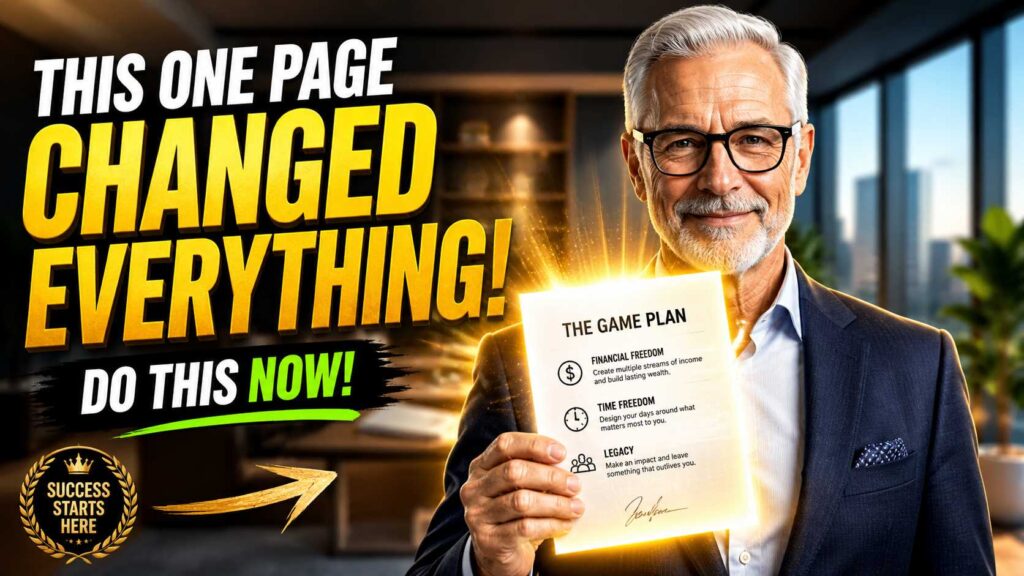
A winning proposal has five sections. Most of them are short. The whole document should fit on one to two pages. If it’s longer than that, you’ve included things the client doesn’t need.
Section 1: The Situation (Their Problem, In Your Words)
This is the most important section in the document, and it’s the one most consultants handle worst. The situation section describes the client’s problem back to them — in your words, based on what you heard in your conversation.
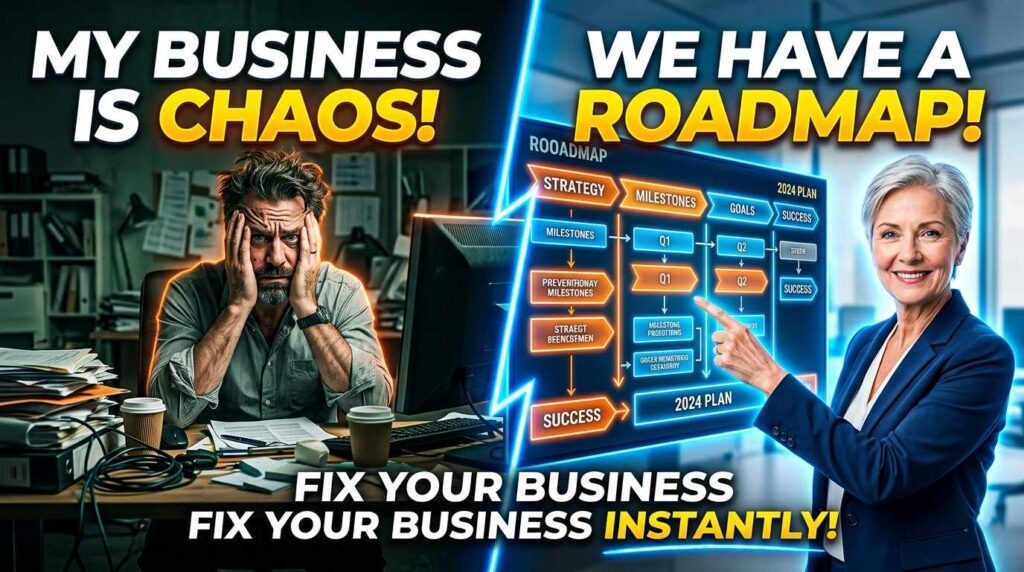
The goal is not to repeat what they said. It’s to synthesize, sharpen, and occasionally reframe it in a way that shows you’ve processed it through the lens of experience. When a client reads a situation section and thinks “yes, that’s it — that’s exactly what’s happening” — you’ve established the credibility that makes the rest of the proposal easy to accept.
❌ Weak Situation Section:
“ABC Manufacturing has experienced some challenges with their operations and supply chain that have affected profitability. You are looking for consulting support to help improve these areas and achieve better results going forward.”
✅ Strong Situation Section:
“ABC Manufacturing has grown from $8M to $22M in revenue over four years — a success that has outpaced the operational infrastructure built to support it. The result is a production floor running at roughly 70% of its potential throughput, a quality rejection rate that’s crept from 2.1% to 4.8% over 18 months, and a leadership team spending most of their week solving problems that a well-designed process would prevent. The company is not underperforming because of a talent problem. It has a systems problem — and the good news is that systems problems, unlike talent problems, are fixable.”
Both describe a struggling manufacturer. Only one demonstrates that you’ve actually listened, synthesized the numbers, and formed a point of view. The second version makes the client feel understood — and a client who feels understood is already halfway to yes.
Section 2: The Outcome (What Success Looks Like)
Before describing what you’ll do, describe what things will look like when you’re done. This section is two to three sentences. It should be specific, measurable where possible, and focused entirely on what the client gains — not what you deliver.
❌ Output-focused (weak):
“At the conclusion of this engagement, you will receive a comprehensive operational assessment report with recommendations for process improvement, a prioritized implementation roadmap, and a 90-day action plan.”
✅ Outcome-focused (strong):
“By the end of this engagement, your production floor will have a clear bottleneck map, a prioritized fix list that your team can own and implement, and a realistic path to recovering 15–20% of lost throughput within 90 days. More importantly, your leadership team will spend their weeks managing a functioning system rather than fighting fires.”
The difference is the client’s experience of reading it. The first version describes documents. The second describes a life that’s better than the one they’re living now. Clients buy outcomes, not outputs.
Section 3: The Approach (What You’ll Actually Do)
When following a consulting proposal template seniors guide, this is the section where you must be careful not to go too long. Three to five bullet points is enough. Each one should describe a concrete activity — what you’ll do, what it will produce, and roughly when it happens. Not a methodology lecture. Not a theoretical framework. Specific actions.
Example Approach Section (Operations Consulting):
- Week 1–2: Floor assessment. Two days on-site observing production flow, interviewing team leads, and mapping the current state in detail. You’ll have a clear picture of where time and materials are being lost before we discuss solutions.
- Week 2–3: Root cause analysis. Working with your data and your team, we’ll separate the symptoms (quality rejections, throughput gaps) from the actual causes. Most operations have two or three root issues driving 80% of their problems — we’ll find yours.
- Week 3–4: Prioritized roadmap. A 90-day implementation plan your team can execute, ranked by impact and feasibility. We’ll present this to your leadership team and walk through the rationale for each priority.
- Week 5–6: Implementation support. Two check-in sessions as your team begins executing, with specific support for any early obstacles. The goal is momentum that continues after our engagement ends.
Notice what’s not in there: no methodology names, no framework acronyms, no jargon. Just a clear description of what happens, in what order, and why it matters. A client should be able to read this and visualize the process without needing a glossary.
Section 4: The Investment
State your fee clearly. One number (or a simple payment structure). No ranges — “between $8,000 and $15,000 depending on scope” is not a price, it’s an invitation to negotiate before the client has even said yes.
Example Investment Section:
“The total investment for this engagement is $14,500, structured as 50% ($7,250) upon signing and 50% ($7,250) upon delivery of the final roadmap in Week 4. This covers all assessment, analysis, and implementation support activities described above, plus any follow-up questions during the 30 days after engagement close.”
Three things make an investment section strong: a specific number, a clear payment structure, and a brief statement of what’s included so there’s no ambiguity later. That’s it. Don’t justify the fee at length — it signals insecurity. State it, structure it, and move on.
Section 5: Next Step
One sentence. One action. Not “please let me know if you have any questions” — that’s a passive ending that puts the client in charge of the timeline with no direction.
Examples of strong next step sentences:
- “To move forward, simply reply to this email and I’ll send the agreement along with an invoice for the first payment.”
- “I’ll follow up by phone on Thursday — if you’d like to discuss any part of this before then, feel free to reach me at [number] anytime.”
- “If this looks right to you, the fastest way forward is a quick 20-minute call to confirm the start date — here’s my calendar link: [link].”
A clear next step removes friction. The client who wants to say yes should never have to wonder what to do next.
The One Optional Section Worth Adding
Once you have case studies or documented results from previous engagements, a brief “Relevant Experience” section near the end of the proposal can help close deals faster. Two to three sentences per example, maximum. The format that works:
Relevant Experience Format:
[Industry/Company Type]: [One sentence describing the situation]. [One sentence describing what you did]. [One sentence describing the measurable result].
Example:
Regional food manufacturer, $18M revenue: Production throughput had plateaued despite a recent equipment upgrade, with quality rejection rates nearly double the industry average. Conducted a six-week operational assessment and redesigned the quality checkpoint process. Rejection rates dropped from 5.2% to 2.1% within 90 days, recovering approximately $340,000 in annual waste.
Three sentences. Situation, action, result. The number at the end does the work. If you don’t have formal case studies yet, this section can wait — but start collecting those results from your first engagements, because they compound significantly over time.
Format and Presentation: What Actually Matters
A proposal that reads well can look simple. A proposal that looks impressive can be impossible to read. When in doubt, choose readability.
| Element | Recommendation | Why |
|---|---|---|
| Length | 1–2 pages maximum | Longer proposals signal unclear thinking, not more value |
| Format | Clean PDF, not Word | PDF looks intentional; Word looks like a draft |
| Font | Georgia or Garamond, 11–12pt body | Readable, professional, not generic |
| Headers | Bold, slightly larger than body text | Skimmable structure for busy decision-makers |
| Color | One accent color maximum | More looks like a design project, not a business document |
| Your bio/headshot | 3–4 sentences, end of document | Supporting evidence, not the main event |
| Cover page | Optional or skip entirely | Adds length without adding information |
Using AI to Write (and Improve) Your Proposals

Using AI to generate a consulting proposal template seniors can customize is one of the most practical applications of modern tools. Not writing the proposal for you — but helping you turn rough notes from a client conversation into a polished first draft that you then refine.
After a client meeting, try this prompt in ChatGPT or Claude:
📋 Proposal Drafting Prompt:
“I just had a discovery call with a potential consulting client. Here are my notes: [paste your meeting notes]. Please help me write a one-page consulting proposal using this structure: (1) Situation — their problem in my words, (2) Outcome — what success looks like, (3) Approach — 3-4 bullet points of what I’ll do, (4) Investment — I’ll fill in the fee, (5) Next Step. Keep it client-focused, specific, and under 500 words total. Avoid consultant jargon.”
The draft won’t be perfect — it never is — but it gives you something concrete to react to, edit, and personalize. The specificity of the situation section in particular often improves significantly when you take the AI draft and push it closer to your actual voice and the actual details from your conversation.
For a deeper look at how AI tools fit into a senior consultant’s broader practice, the guide to using ChatGPT for consulting proposals goes into more detail on the specific prompts and workflows that experienced consultants are using.
The Follow-Up: What to Do After You Send It
Sending a proposal and then waiting passively is a reliable way to lose deals that were yours to win. Here’s the follow-up sequence that keeps momentum without being pushy.
📅 Proposal Follow-Up Timeline
Same day as sending: Send a brief email: “Just sent the proposal — let me know if it arrives cleanly or if you’d like me to resend in a different format.” Low stakes, keeps you top of mind.
48 hours later (if no response): “Hi [Name] — wanted to make sure the proposal came through clearly and see if any questions came up as you read it. Happy to jump on a quick call to walk through any part of it.”
5–7 days later (if still no response): “Following up one more time on the proposal I sent last week. If the timing isn’t right or if priorities have shifted, I completely understand — just let me know either way so I can plan accordingly.”
After that: move on. Three touchpoints is professional. Four or more starts to feel like pressure, which is the last thing you want a potential client to feel before they’ve even started working with you.
That third message — “let me know either way so I can plan accordingly” — is worth noting. It gives the client explicit permission to say no, which paradoxically makes them more likely to say yes. People avoid responding to proposals they’re unsure about because they don’t want the awkward conversation of declining. Removing that awkwardness often breaks the silence.
When the Proposal Isn’t the Problem
Sometimes a proposal doesn’t close not because it was poorly written but because the conversation that preceded it didn’t establish enough trust or clarity. If you’re sending strong proposals and getting silence or polite declines, it’s worth examining the discovery call rather than the document.
The most common discovery call problem: consultants spend too much of the call talking about themselves and not enough time asking questions that reveal the depth of the client’s problem. A simple diagnostic — if you’re talking more than the client is during a discovery call, something is off — can help recalibrate the balance.
The proposal is a summary of a great conversation. It cannot substitute for one.
If you’re still working on the fundamentals of landing your first consulting engagement, the 30-day consulting blueprint walks through the full process from first outreach to signed agreement. And once the proposal is accepted, you’ll need a solid contract to follow it — the consulting contract template for seniors covers exactly what that should include.
Frequently Asked Questions – Consulting Proposal Template Seniors
No — and this is an important distinction. A proposal is not a brochure. It should only go to a client who has expressed genuine interest in working with you, where you’ve had a substantive conversation about their specific situation, and where the scope is clear enough that you can write a meaningful situation section. Sending proposals to people who are casually exploring options is a lot of work for very little return. Qualify the conversation first, then write the proposal.
Politely push back. Say something like: “I’d like to send you something useful rather than generic — could we spend 30 minutes on a call first so I can make sure the proposal reflects your actual situation?” A client who won’t give you 30 minutes before asking for a proposal is often not a serious buyer. The ones who are serious will almost always agree to the call.
48 hours for a first follow-up, assuming no specific timeline was agreed on during your conversation. If the client said “I’ll get back to you by Friday,” respect that timeline and follow up on Monday if you haven’t heard. Always honor the timeline they set before introducing your own.
For early engagements, a brief relevant experience section (as described above) is more effective than testimonials. Testimonials can feel like you’re trying to compensate for something. A single, specific, quantified result from a past engagement is more persuasive than three enthusiastic quotes. As you build more case studies, these naturally become part of your consulting proposal template seniors framework.
First, pause and don’t agree immediately. Ask: “Can you help me understand what’s driving the budget concern?” Sometimes it’s a genuine cash flow issue that a different payment structure solves. Sometimes it’s a scope question — they want something smaller than what you proposed. Adjust scope before adjusting rate. If you do reduce the fee, make sure something comes out of the scope in exchange — never reduce the price without reducing the work, or you’ve established a pattern that’s hard to undo.
The Proposal Is a Mirror
The best consulting proposals don’t read like sales documents. They read like the consultant was paying such close attention during the conversation that they absorbed not just what the client said but what they meant — the worry underneath the problem description, the real outcome they’re hoping for, the thing they’d be most relieved to no longer deal with.
Writing a proposal like that requires genuinely listening in the conversation that precedes it. It requires having a point of view, not just a process. It requires caring enough about the client’s actual situation to write something specific to them rather than adjusting the names on a template.
That kind of attention is something senior consultants are particularly good at — because it comes from years of experience. It stems from having seen similar situations before and thrives on knowing that the presenting problem is rarely the actual issue. Ultimately, it is about being able to sit with a client’s description and recognize the true pattern underneath it.
Put that into a proposal. One page. Five sections. Client first.
The rest takes care of itself.