

Yoga for mobility over 60 is one of the safest and most effective ways for older adults to stay flexible, reduce stiffness, improve balance, and continue living independently. Many seniors in the United States notice that simple daily activities become harder after age 60. Getting out of bed, reaching overhead, bending down to tie shoes, or climbing stairs can suddenly feel uncomfortable. The good news is that gentle yoga movements can help restore mobility naturally without expensive equipment or intense workouts.
Unlike high-impact exercise programs, yoga focuses on slow, controlled movement, breathing, posture, and joint support. This makes yoga especially helpful for adults over 55 who want to protect their knees, hips, shoulders, and lower back while still staying active.
Guide Content
- Yoga for Mobility Over 60: An Overview
- Why Yoga for Mobility Works So Well
- Common Mobility Problems After 60
- Best Types of Yoga for Seniors
- Benefits: Balance, Joints & Sleep
- Simple Daily Yoga Routine (7 Steps)
- Safety Tips for Starting Yoga
- Yoga for Arthritis Management
- Advanced Mobility & Healthy Aging
- Hip & Shoulder Mobility Poses
- Yoga for Limited Mobility
- Morning & Evening Yoga Routines
- Nutrition & Hydration for Mobility
- Frequently Asked Questions (FAQ)
Why Yoga for Mobility Over 60 Works So Well

As people age, muscles naturally become tighter and joints lose some flexibility. According to the National Institute on Aging, mobility loss is one of the main reasons seniors lose independence later in life. However, regular stretching and movement can significantly slow this process.
The biggest advantage of yoga for mobility over 60 is that it trains the body in functional movement patterns. That means yoga helps with real-life activities like:
- Standing up from a chair
- Walking safely
- Maintaining balance
- Turning the body comfortably
- Reaching shelves
- Improving posture
- Reducing stiffness in the morning
Many seniors also discover that yoga improves confidence. Fear of falling often causes older adults to move less, which actually increases stiffness and weakness. Gentle yoga breaks this cycle.
Common Mobility Problems After 60
Most seniors experience at least one of these mobility challenges:
| Mobility Issue | How Yoga Helps |
|---|---|
| Stiff hips | Improves range of motion and flexibility |
| Lower back pain | Strengthens supporting muscles gently |
| Poor balance | Builds coordination and stability |
| Tight shoulders | Encourages safer movement and posture |
| Knee discomfort | Reduces pressure through alignment work |
| Difficulty walking | Improves leg strength and flexibility |
One important thing seniors should understand is that mobility and flexibility are not exactly the same thing. Flexibility means how far muscles can stretch. Mobility means how well the joints move safely and comfortably during everyday life. Yoga improves both.
Best Types of Yoga for Seniors Over 60
Not all yoga styles are appropriate for older adults. Some advanced yoga classes move too quickly or place pressure on the joints. Seniors should focus on beginner-friendly styles designed for safety and comfort.
1. Chair Yoga

Chair yoga is one of the safest options for beginners. Instead of getting up and down from the floor, movements are performed while sitting or standing near a chair for support.
Chair yoga is excellent for seniors with:
- Arthritis
- Balance concerns
- Limited flexibility
- Knee pain
- Recovery from surgery
2. Gentle Hatha Yoga
Hatha yoga focuses on slower poses and controlled breathing. This style is ideal for older adults who want to improve flexibility without intense physical strain.
3. Restorative Yoga
Restorative yoga uses pillows, blankets, and support blocks to relax the body. Many seniors with chronic stiffness or fatigue enjoy this approach because it places almost no stress on the joints.
4. Yin Yoga for Seniors
Modified yin yoga involves holding gentle stretches longer to improve joint mobility. Seniors should avoid deep stretches and always work within a comfortable range.
Benefits of Yoga for Mobility Over 60
The benefits of yoga go far beyond stretching. Research published by organizations such as Harvard Health shows yoga may support both physical and mental health in older adults.
Improved Balance

Falls are one of the biggest health risks for seniors. Yoga improves body awareness and leg strength, helping reduce fall risk over time.
Better Joint Health
Gentle movement increases circulation around joints and helps reduce stiffness. Many seniors with arthritis notice improved comfort after consistent yoga practice.
Reduced Stress
Yoga breathing exercises calm the nervous system. Seniors dealing with anxiety, retirement stress, or loneliness often report improved mood.
Better Sleep
Even 15 minutes of gentle yoga before bedtime may help improve sleep quality in older adults.
More Independence
The ability to move comfortably affects nearly every part of daily life. Improved mobility helps seniors continue driving, traveling, shopping, and enjoying hobbies.
A Simple Daily Yoga for Mobility Over 60 Routine

One reason many seniors quit exercise programs is complexity. The best mobility routine is simple enough to repeat consistently.
Step 1: Neck Rolls (2 Minutes)
Sit comfortably in a chair. Slowly turn the head left and right. Avoid forcing movement. This helps reduce neck tension and improves mobility while driving or reading.
Step 2: Shoulder Circles (2 Minutes)
Lift shoulders slowly upward and roll them backward. Repeat gently. This exercise improves upper-body movement and posture.
Step 3: Seated Cat-Cow Stretch (3 Minutes)
While sitting upright, arch the back gently forward and backward with controlled breathing. This movement supports spinal flexibility.
Step 4: Chair Forward Fold (2 Minutes)
Lean forward slowly while seated. Let the arms relax naturally. This stretches the lower back and hamstrings.
Step 5: Standing Leg Stretch (3 Minutes)
Using a chair for support, gently stretch each leg. Never bounce during stretches.
Step 6: Heel-to-Toe Balance Practice (3 Minutes)
Practice standing near a wall or chair. Improving balance is one of the most valuable benefits of yoga for mobility over 60.
Step 7: Deep Breathing (5 Minutes)
Slow breathing reduces stress and improves relaxation. Many seniors skip breathing exercises, but they are a major part of yoga’s effectiveness.
Safety Tips for Seniors Starting Yoga
Yoga should never feel painful. Mild stretching discomfort is normal, but sharp pain is not.
Follow these safety guidelines:
- Move slowly and carefully
- Use chairs or walls for support
- Never hold your breath
- Avoid sudden twisting movements
- Stop immediately if dizzy
- Wear supportive clothing
- Stay hydrated
Can Yoga Help Arthritis After 60?
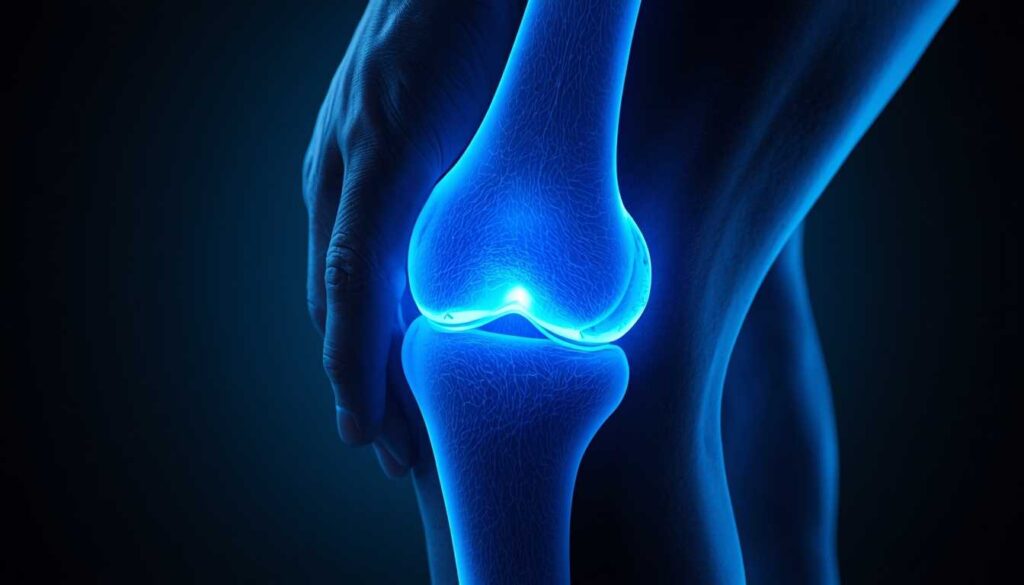
Many older adults avoid exercise because of arthritis pain. However, gentle movement is often one of the best ways to manage stiffness.
Yoga for mobility over 60 can be especially beneficial for seniors with:
- Osteoarthritis
- Joint stiffness
- Hip tightness
- Shoulder discomfort
- Lower back pain
The key is modification. Seniors should never attempt advanced poses seen on social media. Simple, supported movements are far more effective and safer.
Chair Yoga vs Traditional Yoga for Seniors
| Chair Yoga | Traditional Gentle Yoga |
|---|---|
| Best for beginners | Better for moderate mobility |
| Uses chair support | May involve floor poses |
| Lower fall risk | Improves strength faster |
| Ideal for arthritis | Good for flexibility |
| Easy to start at home | Often done in classes |
For many seniors, chair yoga is the best starting point. Confidence and flexibility can improve gradually over time.
How Long Does It Take to Improve Mobility?
Most seniors notice small improvements within 2–4 weeks of consistent practice. Better posture, easier walking, and reduced stiffness are common early changes.
Long-term improvements usually appear after several months. Consistency matters far more than intensity.
Even practicing yoga for mobility over 60 for just 15 minutes daily can make a noticeable difference over time.
The Mental Health Benefits of Yoga for Seniors
Mobility problems do not only affect the body. Limited movement can increase isolation, frustration, and stress.
Yoga encourages mindfulness and relaxation. Seniors often describe yoga sessions as calming and emotionally uplifting. Breathing exercises may help lower stress hormones and improve overall mood.
Group yoga classes also provide social interaction, which is extremely important after retirement.
Best Equipment for Senior Yoga at Home
One reason yoga is popular among older adults is affordability. Expensive home gym equipment is unnecessary.
Helpful yoga items include:
- A sturdy chair
- Non-slip yoga mat
- Comfortable clothing
- Yoga blocks
- Supportive cushions
- Water bottle
Most seniors can begin yoga for mobility over 60 using only a chair and enough floor space to move safely.
How to Stay Consistent With Yoga After 60
The hardest part of any exercise routine is consistency. Seniors often stop exercising because routines feel overwhelming or uncomfortable.
These strategies help make yoga a long-term habit:
- Start with only 10–15 minutes daily
- Practice at the same time each day
- Use beginner-friendly videos
- Track progress weekly
- Focus on movement quality, not perfection
- Celebrate small improvements
Remember: the goal is not athletic performance. The goal is maintaining independence and enjoying daily life.
Common Mistakes Seniors Make With Yoga
Trying Advanced Poses Too Soon
Social media yoga videos are often unrealistic for beginners over 60. Start gently.
Stretching Too Aggressively
Pain is not progress. Gentle consistency works better than forcing movement.
Ignoring Balance Support
Using a chair or wall is smart, not weak.
Practicing Inconsistently
Small daily sessions produce better results than occasional long workouts.
Expert Advice for Seniors New to Yoga
Many older adults worry they are “too stiff” to begin yoga. In reality, yoga is designed for people who need mobility improvement. Flexibility is not a requirement to start.
If possible, look for classes specifically labeled:
- Senior yoga
- Gentle yoga
- Chair yoga
- Beginner yoga
- Low-impact yoga
The instructor should encourage modifications and safety rather than difficult poses.
Advanced Mobility Tips for Adults Over 60
Once seniors become comfortable with beginner yoga movements, adding a few advanced mobility habits can improve long-term results even more. The goal is not difficult exercise. The goal is keeping the body moving naturally for as many years as possible.
Focus on Morning Mobility
Many adults over 60 feel the stiffest during the morning hours. Joints and muscles naturally tighten overnight. Starting the day with gentle yoga for mobility over 60 can help reduce stiffness before it affects walking, posture, or balance.
A simple 10-minute morning routine may include:
- Neck stretches
- Gentle spinal twists
- Seated hip openers
- Ankle rolls
- Deep breathing exercises
Consistency matters more than intensity. Even small daily movements help maintain mobility over time.
Practice Functional Movements
Functional mobility means moving better during real-life activities. Seniors should prioritize movements that improve daily independence.
| Daily Activity | Helpful Yoga Movement |
|---|---|
| Standing up from bed | Chair squats |
| Getting into a car | Hip stretches |
| Reaching shelves | Shoulder mobility stretches |
| Walking safely | Balance exercises |
| Climbing stairs | Leg strengthening poses |
How Yoga Supports Healthy Aging
Healthy aging is about much more than avoiding illness. It also means maintaining energy, movement, confidence, and independence.
Yoga for mobility over 60 supports healthy aging because it combines several important health factors into one activity:
- Gentle strength training
- Flexibility improvement
- Balance support
- Stress reduction
- Improved posture
- Better breathing habits
- Mind-body awareness
Unlike intense fitness programs that may feel intimidating, yoga is highly adaptable for seniors with different mobility levels.
Best Yoga Poses for Hip Mobility After 60
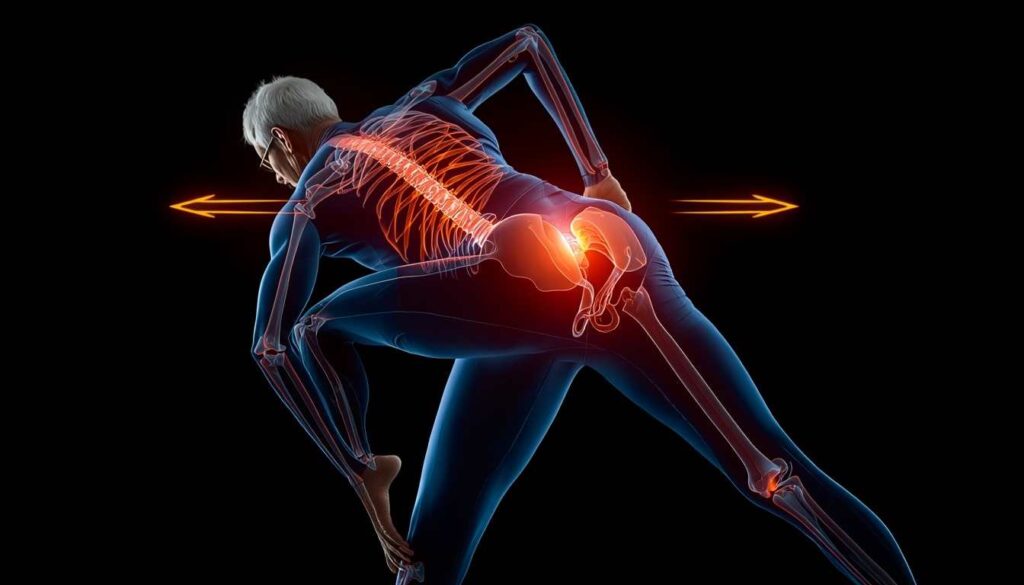
The hips are one of the most important mobility areas for older adults. Tight hips affect walking, balance, lower back comfort, and posture.
Seated Figure Four Stretch
This gentle stretch helps open the hips safely while seated in a chair.
Supported Butterfly Stretch
Sit comfortably and bring the feet together gently. Avoid forcing the knees downward.
Standing Hip Circles
Using a chair for support, slowly rotate the hips in controlled circles.
Best Yoga Poses for Shoulder Mobility Over 60
Shoulder stiffness becomes increasingly common after age 60. Limited shoulder mobility can make dressing, cooking, driving, and lifting objects more difficult.
Wall Finger Walks
Slowly walk the fingers upward along a wall to improve shoulder range of motion safely.
Seated Arm Raises
Lift the arms gently overhead while breathing slowly.
Thread-the-Needle Stretch
A modified seated version can help reduce upper-body stiffness.
Can Yoga Help Prevent Falls?
One of the biggest concerns for older adults is falling. According to the CDC, millions of seniors experience falls every year in the United States.
Yoga may help lower fall risk by improving:
- Leg strength
- Core stability
- Reaction time
- Body awareness
- Posture
- Balance confidence
Chair-supported balance exercises are especially useful for beginners.
How Breathing Improves Mobility
Many seniors underestimate the importance of breathing during yoga practice. However, proper breathing directly affects movement quality.
Shallow breathing often increases muscle tension. Deep breathing helps relax the nervous system and allows muscles to move more freely.
Simple breathing exercises may also support:
- Lower stress levels
- Better concentration
- Improved sleep
- Reduced anxiety
- Greater relaxation during stretching
Yoga for Mobility Over 60 and Weight Management
While yoga is not usually considered an intense calorie-burning workout, it can still support healthy weight management in seniors.
Improved mobility often encourages people to stay more active throughout the day. Better movement can lead to:
- More walking
- Improved energy
- Reduced sedentary habits
- Healthier routines
Some seniors also notice reduced emotional eating because yoga lowers stress levels.
How to Create a Comfortable Home Yoga Space
One major reason yoga for mobility over 60 is popular is convenience. Seniors do not need expensive gym memberships or complicated equipment.
A safe home yoga space should include:
- Non-slip flooring
- Good lighting
- A sturdy chair
- Enough room to move safely
- Minimal clutter
- Easy access to water
Practicing near a wall can also provide extra balance support.
How Family Members Can Support Senior Mobility
Family encouragement can make a huge difference when seniors begin a new wellness routine.
Helpful support strategies include:
- Joining yoga sessions together
- Providing safe exercise space
- Encouraging consistency
- Celebrating progress
- Helping find beginner-friendly classes
Many older adults feel more motivated when they do not feel alone in the process.
Signs Your Mobility Is Improving
Progress in yoga is often subtle at first. Seniors should pay attention to small daily improvements.
Positive signs include:
- Walking more comfortably
- Standing longer without fatigue
- Reduced stiffness in the morning
- Improved posture
- Better balance
- Easier movement during chores
- Greater confidence while moving
Motivation Tips for Seniors Who Dislike Exercise
Many adults over 60 dislike traditional workouts because they feel exhausting or intimidating. Yoga is different because it focuses on comfort, movement, and relaxation instead of competition.
If motivation feels difficult, seniors should:
- Start with only 5–10 minutes
- Use calming music
- Practice near natural light
- Track flexibility improvements
- Focus on daily-life benefits
- Choose relaxing beginner routines
Final Expert Takeaway
Mobility loss is not an unavoidable part of aging. While the body naturally changes over time, regular movement can dramatically improve flexibility, comfort, and independence after age 60.
Yoga for mobility over 60 gives seniors a realistic, low-impact, and highly sustainable way to stay active safely. Gentle stretching, balance training, breathing exercises, and mobility-focused movements can help older adults continue enjoying daily life with greater confidence and less discomfort.
The most important step is simply beginning. A few minutes of consistent movement each day can create meaningful improvements over time.
Yoga for Seniors With Limited Mobility
Not every older adult can move easily. Some seniors use walkers, canes, or experience chronic stiffness from arthritis, past injuries, or years of inactivity. The good news is that yoga for mobility over 60 can still be adapted safely for almost every ability level.
One of the biggest misconceptions about yoga is believing flexibility is required before starting. In reality, yoga is often most beneficial for people who feel stiff or limited.
Seniors with limited mobility should focus on:
- Chair-supported stretches
- Slow range-of-motion exercises
- Breathing techniques
- Gentle posture correction
- Short daily sessions
How Aging Affects Flexibility and Joint Health
Understanding why mobility decreases with age helps seniors realize they are not “failing.” The body naturally changes over time.
Several factors contribute to stiffness after age 60:
| Age-Related Change | Effect on Mobility |
|---|---|
| Muscle loss | Reduced stability and movement strength |
| Joint wear | Increased stiffness and discomfort |
| Less physical activity | Tighter muscles and weaker balance |
| Poor posture | Limited movement range |
| Stress and tension | Increased muscle tightness |
The encouraging news is that movement itself helps fight many of these problems. Gentle yoga stimulates circulation, lubricates joints naturally, and helps maintain muscle activity.
Morning Yoga Routine for Seniors Over 60
Morning stiffness is extremely common among older adults. A short mobility routine after waking up can make daily movement much easier.
5-Minute Morning Mobility Flow
- Seated deep breathing – 1 minute
- Shoulder rolls – 30 seconds
- Neck stretches – 30 seconds
- Seated spinal twist – 1 minute
- Gentle leg extensions – 1 minute
- Standing balance support practice – 1 minute
This simple sequence helps loosen stiff joints without exhausting the body.
Evening Yoga for Better Sleep and Relaxation

Many seniors experience poor sleep quality after retirement age. Stress, discomfort, medications, and inactivity can all contribute to restless nights.
Gentle evening yoga may help calm the nervous system before bed.
Helpful bedtime yoga exercises include:
- Deep breathing
- Forward folds
- Supported leg stretches
- Seated meditation
- Gentle hip openers
Even 10 minutes of evening stretching may improve relaxation and reduce nighttime stiffness.
Nutrition and Hydration for Better Mobility
Exercise alone is not enough. Joint health and flexibility are also influenced by nutrition and hydration.
Seniors practicing yoga for mobility over 60 should focus on:
- Drinking enough water daily
- Eating protein for muscle support
- Consuming calcium-rich foods
- Getting enough vitamin D
- Reducing highly processed foods
Hydration is especially important because dehydration can increase muscle tightness and fatigue.
How Technology Can Help Seniors Practice Yoga Safely
Many older adults now practice yoga from home using online videos and beginner-friendly programs. This allows seniors to move at their own pace without feeling rushed in crowded classes.
Helpful technology options include:
- YouTube beginner yoga videos
- Smart TVs for larger screens
- Tablet-based exercise apps
- Virtual senior fitness communities
However, seniors should avoid advanced instructors who move too quickly or demonstrate unsafe poses for beginners.
Why Consistency Matters More Than Intensity
One of the biggest mistakes older adults make is trying to “catch up” with intense workouts after years of inactivity.
The body responds better to gentle consistency than occasional hard exercise sessions.
For example:
| Approach | Long-Term Result |
|---|---|
| 10 minutes daily | Better long-term mobility |
| 1 intense session weekly | Higher injury risk |
| Gentle stretching | Improved flexibility safely |
| Overstretching | Possible pain and frustration |
Best Time of Day for Yoga After 60
The best time to practice yoga depends on personal comfort and energy levels.
- Morning yoga: Helps reduce stiffness and improve daily energy
- Afternoon yoga: Muscles may feel warmer and looser
- Evening yoga: Encourages relaxation and better sleep
Most importantly, seniors should choose a time they can maintain consistently.
Yoga and Independence in Retirement Years
For many seniors, maintaining independence matters more than intense fitness goals. Mobility affects almost every aspect of independent living.
Improved flexibility and balance can help older adults:
- Continue driving safely
- Travel more comfortably
- Perform household tasks
- Reduce reliance on others
- Stay socially active
This is one reason yoga for mobility over 60 has become increasingly popular across the United States.
Common Myths About Yoga for Seniors
“I’m Too Old to Start Yoga”
Many seniors begin yoga in their 60s, 70s, and even 80s.
“Yoga Is Only for Flexible People”
Flexibility develops gradually through practice.
“Yoga Is Too Dangerous”
Gentle senior-focused yoga is one of the lowest-impact forms of exercise available.
“I Need Expensive Equipment”
Most beginners only need a chair and comfortable clothing.
The Future of Senior Fitness
As the American population continues aging, senior-focused fitness programs are becoming more important than ever. Experts increasingly recognize that mobility training may be one of the best investments older adults can make for long-term quality of life.
Yoga stands out because it supports physical health, emotional wellness, stress reduction, and independence simultaneously.
Conclusion: Start Small and Stay Consistent
Yoga for mobility over 60 is not about extreme fitness. It is about moving more comfortably, protecting independence, reducing stiffness, and improving confidence in daily life.
Even gentle daily stretching can help older adults feel stronger, steadier, and more active over time. Seniors do not need to master difficult poses to experience meaningful benefits.
The most effective mobility routine is the one that feels safe, realistic, and sustainable long term.
If you are over 60 and searching for a safe way to stay active, improve balance, and support healthy aging, starting a simple yoga routine today may be one of the smartest decisions you can make for your future health.
FAQ: Yoga for Mobility Over 60
Yes. Gentle yoga and chair yoga are generally safe for most older adults when practiced carefully and with proper support.
Most experts recommend 3–5 sessions weekly. Even 15 minutes daily can improve flexibility and mobility.
Yes. Yoga helps strengthen stabilizing muscles and improves body awareness, which may reduce fall risk.
Chair yoga and gentle Hatha yoga are usually the best starting points for seniors.
Many seniors with arthritis benefit from modified yoga routines that focus on gentle movement and flexibility.
Final Thoughts on Yoga for Mobility Over 60
Yoga for mobility over 60 is not about becoming highly flexible or performing difficult poses. It is about staying mobile, reducing stiffness, improving confidence, and protecting independence as the years go by.
The best part is that seniors can begin slowly from home using simple movements and basic equipment. Over time, gentle yoga may help make everyday life easier, safer, and more comfortable.
If you are over 60 and feeling stiff, unsteady, or less mobile than you used to be, starting a simple yoga routine today could be one of the smartest long-term health decisions you make.
⚠️ Medical Disclaimer
Important Notice: The information provided in this guide is for educational and informational purposes only and is not intended as medical advice, diagnosis, or treatment. Always seek the advice of your physician or other qualified health provider before starting any new exercise program, especially if you have pre-existing conditions such as heart disease, recent surgeries, severe osteoporosis, or significant balance issues.
Yoga for mobility should never be painful. If you experience sharp pain, dizziness, or shortness of breath while practicing these routines, stop immediately. Reliance on any information provided on SeniorGig Guide is solely at your own risk.