
There’s a city in Central America that is increasingly becoming the top choice for Panama City for American seniors seeking a better quality of life. Imagine a place where a retired American couple can live comfortably — with ocean views, a world-class hospital two miles from their apartment , fresh tropical produce at the corner market, and a social life richer than anything they had back in Ohio — for $2,800 a month.
That city is Panama City, Panama.
It’s not a secret anymore — but it’s still underestimated. Most Americans who eventually move to Panama City say the same thing: “I wish I’d discovered this ten years earlier. Panama City stands out among global retirement destinations for several reasons. It offers a dollar-based economy and modern infrastructure. Furthermore, the government actively welcomes American retirees with one of the world’s most generous visa programs.
This guide tells you everything you need to know before you book a flight — whether you’re visiting for two weeks, wintering for a season, or seriously evaluating a permanent move.
Panama City at a Glance
| 🌡️ Climate | Tropical — 75–90°F year-round. Dry season Nov–April (ideal for visits) |
| 💵 Currency | US Dollar (Balboa) — no currency exchange needed |
| ✈️ Flight from US | 3 hrs from Miami, 5 hrs from NYC, 6 hrs from LA |
| 🏥 Healthcare | JCI-accredited hospitals, US-trained doctors, 40–70% lower costs than US |
| 👴 Retiree Visa | Pensionado Visa — one of the world’s best retirement programs |
| 🗣️ English | Widely spoken in tourist areas, business districts, hospitals |
| 🏠 Monthly Budget | $2,000–$3,500/month for comfortable couple living |
🌟 Why American Seniors Are Choosing Panama City in 2026
Panama City is not your typical retirement destination. It’s not a beach town where expats cluster in gated communities. It’s a genuine metropolitan city of 1.5 million people with a skyline that rivals Miami, a banking sector that handles international finances with American efficiency, and a cultural mix that makes American retirees feel simultaneously abroad and at home.
Here’s what sets Panama City apart from every other popular senior retirement destination:
💰 The Dollar Economy — No Exchange Rate Anxiety
Panama uses the US dollar as its official currency. Not a pegged equivalent — actual US dollars. The bills in your wallet work in Panamanian shops, restaurants, taxis, and hospitals without conversion. Your Social Security deposit arrives in the same currency you spend. There’s no watching exchange rates, no losing money on conversions, no budgeting complexity that comes with living in a country with a different currency. For American seniors managing fixed retirement incomes, this is genuinely significant. It’s one reason Panama City often makes more practical sense than otherwise appealing destinations like Portugal or Costa Rica, where currency fluctuation affects every monthly budget calculation.
🏥 World-Class Healthcare at Honest Prices
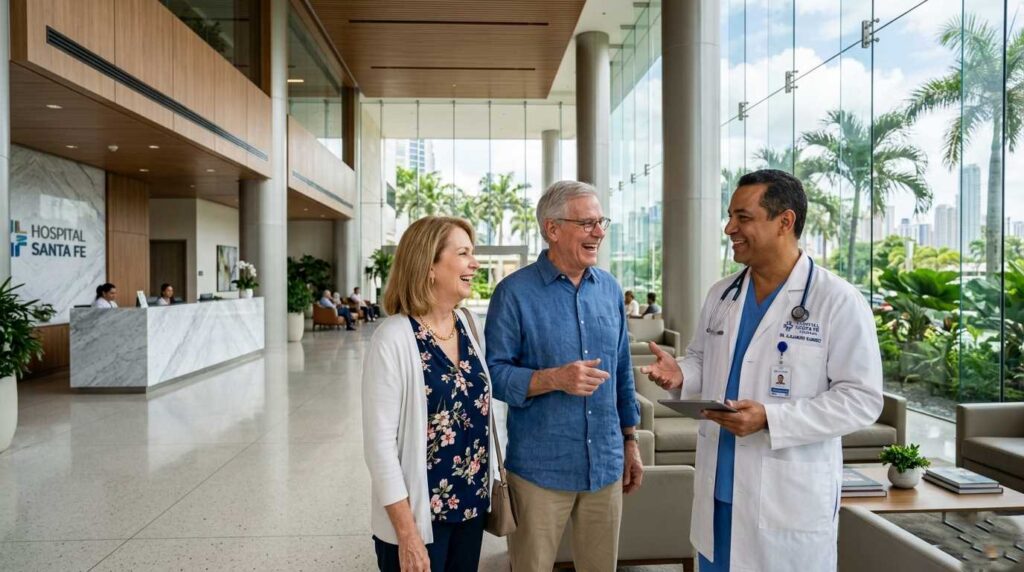
This is the factor that most surprises American visitors. Panama City features several JCI-accredited hospitals. This international certification represents the highest global standard for medical care. Hospital Nacional, Punta Pacifica Hospital (a Johns Hopkins affiliate), and Clinica Hospital San Fernando are all equipped with technology equivalent to major US hospitals, staffed by physicians many of whom completed residencies or fellowships in the United States or Europe.
The prices are not equivalent. A specialist consultation that costs $400 in the US typically costs $60 to $100 in Panama City. A dental crown that runs $1,500 in the US costs $300 to $500. Hip replacement surgery that averages $40,000 in the US is available at $12,000 to $18,000 at JCI-accredited facilities. International health insurance covering Panama care costs $150 to $350 per month for most seniors — a fraction of US Medicare supplement costs.
🎫 The Pensionado Visa — The World’s Most Generous Retirement Program
Panama’s Pensionado (retiree) visa program is widely considered the best retirement visa in the world. You only need a monthly pension of $1,000 to qualify. Most American retirees meet this requirement through Social Security alone. Once approved, you gain access to remarkable benefits:
🎁 Pensionado Visa Benefits Include:
- 25% discount on airline tickets
- 50% discount on entertainment (movies, theaters, concerts, sporting events)
- 30% discount on public transportation
- 15–20% discount on hospital bills
- 15% discount on dental and eye care
- 20% discount on medical consultations
- 25% discount on restaurant meals
- 50% discount on hotel stays Monday through Thursday
- No import taxes on personal goods up to $10,000
- No import taxes on a car every two years
Source: Panama National Immigration Service
⏰ The Time Zone Advantage
Panama City is in the Eastern Time Zone (UTC-5) year-round — it doesn’t observe daylight saving time. This means American retirees stay in close time alignment with family on the East Coast, making regular calls and video chats with children and grandchildren far more practical than retirement in Europe or Southeast Asia.
🏘️ The Best Neighborhoods for American Seniors in Panama City
Panama City’s neighborhoods vary dramatically in character, price, and suitability for senior living. Here’s what you need to know about each major area:
Panama City for American Seniors: The Complete Guide to Visiting, Living, and Retiring in 2026
Best for: Seniors who want modern amenities, ocean views, and walkable luxury
Character: These are Panama City’s premier waterfront areas. Key features include:
- Easy access to local restaurants and shops.
- Luxury high-rise condos with Pacific views.
- Walking distance to Punta Pacifica Hospital.
Monthly rent: $1,200–$2,500 (1–2 bedroom)
⭐⭐⭐⭐⭐ Senior suitability
🌿 El Cangrejo
Best for: Seniors wanting a neighborhood feel with urban convenience
Character: Established residential area with supermarkets, pharmacies, parks, and restaurants at street level. Popular with long-term American expats.
Monthly rent: $700–$1,400 (1–2 bedroom)
⭐⭐⭐⭐⭐ Senior suitability
🏛️ Marbella & Bella Vista
Best for: Seniors who want central location and vibrant street life
Character: Central neighborhoods with excellent restaurant scenes, parks, medical facilities. Mix of older buildings and modern condos.
Monthly rent: $600–$1,200 (1–2 bedroom)
⭐⭐⭐⭐ Senior suitability
🌳 Clayton
Best for: Seniors wanting space, greenery, and a suburban feel
Character: Former US military base converted to a residential and university area. Wide streets, good security, large apartments at reasonable prices.
Monthly rent: $800–$1,600 (2–3 bedroom)
⭐⭐⭐⭐ Senior suitability
⚠️ Neighborhoods to Avoid as a Senior: Curundu, Santa Ana, and El Chorrillo are historical neighborhoods with higher crime rates and limited amenities for seniors. These areas are perfectly fine to pass through during daylight but not recommended for accommodation.
🏨 Where to Stay in Panama City as a Senior Visitor
Whether you’re visiting for two weeks or testing the city for a potential longer stay, accommodation choice significantly affects the quality of your experience.
Best Hotels for Senior Visitors
| Hotel | Neighborhood | Price/Night | Senior Notes |
|---|---|---|---|
| Westin Panama | Financial District | $180–$280 | Excellent accessibility, pool, near hospital |
| Hilton Panama | Marbella | $150–$240 | Central location, strong service, elevator access |
| InterContinental Miramar | Punta Paitilla | $160–$260 | Ocean views, quiet waterfront, walkable area |
| Canal House | Casco Viejo | $120–$200 | Boutique hotel in historic district, cobblestone streets |
| Long-term furnished apartments | El Cangrejo / Punta Pacifica | $1,200–$2,000/mo | Best for 1+ month stays, full kitchen, local feel |
Senior recommendation: For stays longer than 10 days, a furnished short-term apartment rental in El Cangrejo or Punta Pacifica through Airbnb or a local property manager consistently provides better value and more authentic experience than hotel accommodation. You’ll have a kitchen (important for managing medications and dietary needs), laundry facilities, and the feel of actually living in the city rather than visiting it.
🗺️ What to See and Do: The Senior’s Panama City Itinerary
🏛️ Casco Viejo (The Old Quarter) — Essential
Panama City’s UNESCO World Heritage historic district is the most atmospheric part of the city and one of the most beautifully restored colonial neighborhoods in Latin America. Spanish colonial architecture, waterfront plazas, excellent restaurants, and fascinating churches fill a compact, walkable area.
Senior considerations: Casco Viejo is built on cobblestone streets — comfortable walking shoes are essential and mobility aids require care on uneven surfaces. Visit in the morning (before noon) when temperatures are cooler and crowds are smaller. The Presidential Palace, Plaza de Francia, and the Church of San José (with its famous golden altar) are all within easy walking distance of each other.
⚓ The Panama Canal — Once in a Lifetime
The Miraflores Locks visitor center is 20 minutes from the city center and is one of the most genuinely impressive engineering sights available to tourists anywhere in the world. Watch massive container ships navigate through locks with inches to spare on each side. The museum is excellent, the viewing platform is fully accessible, and the on-site restaurant provides a comfortable place to watch ships pass while eating.
Senior tip: Book the Miraflores visit in the morning on weekdays — weekends bring cruise ship tour groups that crowd the viewing platforms. The full Panama Canal transit — a full-day boat trip through the entire canal — is also available and is a bucket-list experience for many American seniors who remember learning about the Canal in school.
🌿 Metropolitan Natural Park
The only natural park within a capital city in the Americas. 655 acres of tropical forest within the city limits, with well-maintained trails, abundant bird life (over 200 species), monkeys, and dramatic views over the city skyline and the Pacific. Several trails are accessible for seniors with moderate mobility. Early morning visits offer the best wildlife activity and cooler temperatures.
🐟 Biomuseo — Frank Gehry’s Masterpiece
Designed by architect Frank Gehry, the Biomuseo tells the story of how the formation of the Panama land bridge transformed life on both American continents. The building itself — with its multicolored geometric forms — is one of the most visually striking structures in Latin America. Fully air-conditioned, excellent accessibility, and genuinely fascinating content for curious seniors.
🛍️ Mercado de Mariscos (Fish Market)
Panama City’s famous fish market on the Cinta Costera waterfront serves the freshest ceviche in Central America at prices that seem almost impossible — $3 to $6 for a generous bowl. The market operates from early morning through afternoon. The upstairs restaurant provides a more comfortable seated experience with air conditioning and ocean views. This is not to be missed.
🚢 Amador Causeway
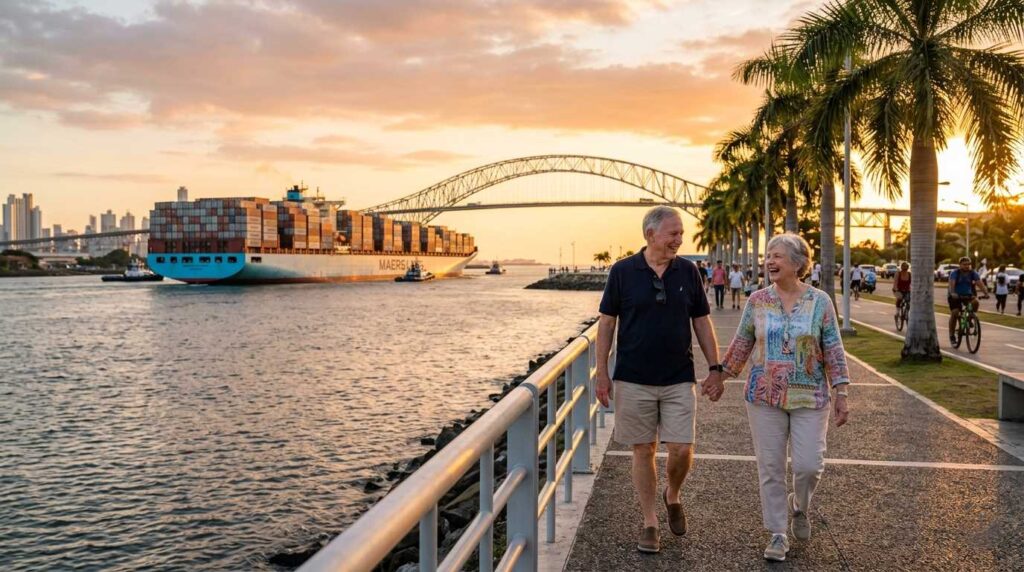
A 3-kilometer causeway connecting three islands in the Pacific entrance of the canal. Flat, scenic, and excellent for walking or cycling. Views of the city skyline, ships waiting to enter the canal, and the Bridge of the Americas. Multiple restaurants and the Biodiversity Museum are located along the causeway. Taxis from the city center cost approximately $5.
🚌 Getting Around Panama City: Senior’s Transportation Guide
| Transport | Cost | Senior Rating | Notes |
|---|---|---|---|
| 🚕 Uber / InDriver | $3–$12 most trips | ⭐⭐⭐⭐⭐ | Most recommended. Safe, air-conditioned, app-based pricing |
| 🚇 Metro | $0.35/ride | ⭐⭐⭐⭐ | Modern, clean, AC. Covers main corridors. Elevator access at stations |
| 🚌 Metrobus | $0.25–$0.35/ride | ⭐⭐⭐ | Very cheap but complex routes. Best with local guidance |
| 🚖 Yellow Taxis | $4–$15 | ⭐⭐⭐ | Negotiate price before entering. Less predictable than Uber |
| 🚗 Rental Car | $35–$60/day | ⭐⭐ | City traffic is intense. Not recommended for visitors. Fine for day trips outside city |
Senior verdict: Uber is the clear winner for senior visitors. The app works identically to the US version, prices are clear before you confirm, drivers are generally professional, and air conditioning is standard. A typical cross-city Uber ride costs $5 to $8. For day trips to the Canal or the interior, hiring a local English-speaking guide through your hotel is more comfortable than renting a car.
💊 Healthcare in Panama City: What American Seniors Need to Know
Healthcare quality in Panama City is the most important and most surprising aspect of the city for most American senior visitors. The gap between expectations and reality is enormous — and consistently in Panama’s favor.
The Top Hospitals for American Seniors
🏥 Punta Pacifica Hospital — Johns Hopkins Medicine International affiliate. The most commonly recommended hospital for American expats. English-speaking staff, US-trained physicians, JCI accreditation. Cardiology, orthopedics, oncology, and comprehensive specialist care. Address: Punta Pacifica neighborhood.
🏥 Hospital Nacional — Oldest private hospital in Panama, extensively modernized. Strong surgical reputation, full emergency services, many US-trained physicians. English widely spoken.
🏥 Clinica Hospital San Fernando — Comprehensive private hospital with multiple locations. Often less expensive than Punta Pacifica for routine procedures. Strong reputation for outpatient specialist services.
What Does Healthcare Actually Cost?
| Service | US Price | Panama Price | Savings |
|---|---|---|---|
| Specialist consultation | $250–$500 | $60–$120 | 70–80% |
| Dental crown | $1,200–$1,800 | $300–$500 | 65–75% |
| Hip replacement | $35,000–$50,000 | $12,000–$18,000 | 60–65% |
| MRI scan | $1,000–$3,000 | $200–$450 | 75–85% |
| Cataract surgery (per eye) | $3,000–$5,000 | $800–$1,500 | 70–75% |
| International health insurance | N/A | $150–$350/month | Covers Panama + emergency US care |
Medicare note: Original Medicare does not cover care outside the United States with limited exceptions. American seniors living in or visiting Panama should carry international health insurance or travel medical insurance. Cigna Global, Aetna International, and BUPA Latin America are among the most commonly used insurers for American expats in Panama.
💰 Panama City Budget Guide for American Seniors
One of the most common questions American seniors ask about Panama City is whether their retirement income is sufficient. Here’s an honest breakdown:
| Category | Budget Lifestyle | Comfortable Lifestyle | Upscale Lifestyle |
|---|---|---|---|
| 🏠 Rent (1–2 BR) | $700–$900 | $1,000–$1,500 | $1,800–$2,500+ |
| 🍽️ Food & Dining | $300–$400 | $500–$700 | $800–$1,200 |
| 🚕 Transportation | $80–$120 | $150–$250 | $300–$500 |
| 💊 Healthcare/Insurance | $150–$250 | $250–$350 | $350–$500 |
| ⚡ Utilities | $80–$120 | $120–$200 | $200–$350 |
| 🎭 Entertainment | $100–$150 | $200–$350 | $400–$700 |
| TOTAL (per couple) | $1,500–$2,000 | $2,300–$3,500 | $4,000–$6,000+ |
For context: the average American Social Security benefit for a couple is approximately $3,400/month in 2026. This comfortably supports a comfortable Panama City lifestyle — with money left over for travel, savings, or unexpected expenses. A couple earning $3,400 in Social Security can enjoy a high quality of life here. In fact, your money goes much further in Panama City than in most mid-tier U.S. cities.
👥 The People and Culture: What American Seniors Actually Experience
Panama City has been a crossroads of global commerce for over 500 years. The result is a genuinely cosmopolitan culture that is warm toward Americans — not because of any manufactured tourism hospitality, but because Americans have been part of Panama’s story for over a century through the Canal Zone.
Panamanians are generally friendly, direct without being aggressive, and accustomed to international visitors. English is widely spoken in the neighborhoods, hospitals, and businesses that American seniors are most likely to frequent. Spanish fluency is not required for a comfortable visit or even initial months of living — though learning basic conversational Spanish is both courteous and practically useful, particularly for interactions with household staff, local markets, and outer-city exploration.
The expat community in Panama City is large, well-organized, and welcoming to new arrivals. Organizations like Panama Expat Society and numerous Facebook groups for American expats provide community, practical guidance, and social connection for seniors making the transition.
⚠️ Honest Considerations: What Panama City Is Not
Panama City suits many American seniors extraordinarily well. It doesn’t suit everyone. Here are the honest considerations that should factor into your decision:
The heat is real. Panama City is hot and humid year-round. Temperatures rarely drop below 75°F even at night. Seniors who genuinely cannot tolerate tropical heat should consider Panama City’s cooler highland areas (Boquete, El Valle) or different destinations entirely. The city is heavily air-conditioned — malls, restaurants, hospitals, and most residential buildings maintain comfortable temperatures — but walking outdoors requires heat tolerance.
Traffic and pollution. Panama City has serious traffic congestion, particularly during rush hours. Air quality in the city center can be poor on high-traffic days. Seniors with respiratory sensitivities should be aware of this.
Bureaucracy. Panama’s government services and legal processes can be slow and complicated. The Pensionado visa process typically takes 3 to 6 months and requires a local attorney (budget $1,000 to $2,000 for visa processing). Building a support team — attorney, property manager, accountant — is essential rather than optional for seniors making a permanent move.
Driving is challenging. Panama City’s traffic patterns, aggressive driving culture, and complex road system make driving genuinely stressful for visitors. Most senior expats rely on Uber and don’t own a car in the city.
🧳 Planning Your Trip or Move: Practical Next Steps
Whether you’re planning a two-week exploratory visit or seriously evaluating Panama City for retirement, here’s how to move forward effectively:
For a first visit:
Plan 10 to 14 days minimum. Stay in El Cangrejo or Punta Pacifica in a furnished apartment rather than a hotel to experience day-to-day life. Visit at least one JCI hospital (even just to tour the facility and confirm the quality for yourself). Attend at least one expat meetup. Eat at both a local market and a high-end restaurant. Take the full-day canal transit if your schedule allows.
For a potential move:
Rent before buying. Spend at least three months in the city across two different seasons before committing to a purchase. Connect with a Pensionado visa attorney before you arrive — the paperwork process begins in the US with document apostille requirements. Research international health insurance options in detail before discontinuing any US coverage.
If you’re exploring other retirement destinations alongside Panama City, our guides on Retiring in San Miguel de Allende, Lisbon for Senior US Retirees, and Budget-Friendly European Destinations for Seniors provide comparable depth for other top destinations.
And if you’re thinking about maintaining online income during or after a move abroad — the flexibility of digital work is one reason Panama City attracts so many American retirees who want financial options alongside retirement income. Our Make Money Online After 50 Master Guide and guide on Health Insurance for Digital Nomads Over 50 cover the financial side of location-independent retirement.
Panama City rewards the senior who comes with curiosity, reasonable heat tolerance, and a willingness to engage with a genuinely different — and genuinely wonderful — way of life.
Book the flight. Walk the Cinta Costera at sunset. Watch a container ship navigate the Canal. Eat ceviche at the fish market for $4. Then decide what you think.
11 Reasons Why American Seniors are Flocking to Panama City
Still on the fence? Watch this insightful video covering 11 key reasons why Panama remains a top global destination for American retirees in 2026.
❓ Frequently Asked Questions: Panama City for American Seniors
🛡️ Safety and Healthcare: Your Top Questions
Panama City for American seniors is generally safe, especially in neighborhoods like Punta Pacifica and El Cangrejo. While a visible police presence exists, standard precautions apply: use Uber at night and avoid displaying valuables. The safety profile in recommended areas is comparable to mid-size European cities.
No, Original Medicare does not cover care in Panama. Panama City for American seniors requires international or travel insurance, such as Cigna or Aetna. Monthly premiums range from $150–$350, providing affordable access to the city’s top-tier private hospitals.
💰 Costs, Visas, and Lifestyle in Panama City
A comfortable lifestyle in Panama City for American seniors typically costs $2,300 to $3,500 per month for a couple. Budget-conscious retirees can live on $1,500–$2,000. Most American couples find that their average Social Security income easily supports a mid-range lifestyle.
This permanent residency visa is a highlight of Panama City for American seniors, requiring a $1,000 monthly pension. It offers major discounts on healthcare and travel. The 3–6 month application process requires apostilled US documents and a local attorney.
The dry season (November–April) is the ideal time for Panama City for American seniors, offering lower humidity and temperatures around 80–85°F. While the rainy season (May–October) is lush, the dry months are more comfortable for those sensitive to heat.
Yes, Panama City for American seniors offers reliable high-speed internet and a US dollar economy. Its time zone alignment with the US East Coast makes it perfect for remote consulting or freelance work while enjoying international retirement.
Last reviewed and updated: May 2, 2026 by the SeniorGig Team.