
If you’re over 60 and dealing with swollen joints, morning stiffness, or chronic fatigue, the right foods can make a measurable difference — without expensive supplements or complicated meal plans. This guide focuses specifically on anti-inflammatory foods for seniors with arthritis and joint pain, and explains exactly what to eat, what to avoid, and how to start this week — even on a tight budget.

In This Guide
- What Is “Inflammaging” and Why It Worsens Arthritis
- Top 12 Anti-Inflammatory Foods for Seniors with Arthritis
- Food–Drug Interactions Seniors Must Know
- Soft-Food Alternatives for Seniors with Swallowing Difficulties
- How to Eat Anti-Inflammatory on a Fixed Income
- 7-Day Meal Plan (Arthritis-Friendly, Budget-Conscious)
- Foods That Make Arthritis Inflammation Worse
- How Fast Will You See Results?
- FAQ
What Is “Inflammaging” and Why It Makes Arthritis Worse After 60
Acute inflammation is your immune system doing its job. Chronic low-grade inflammation — often called “inflammaging” — is the same system stuck in the “on” position, quietly eroding cartilage, stiffening joints, and damaging heart tissue year after year.
A landmark study published in Nature Medicine (2023) found that sustained inflammaging drives at least seven major age-related diseases, including rheumatoid arthritis, osteoarthritis, cardiovascular disease, and type 2 diabetes. In people over 65, elevated CRP (C-reactive protein) — the primary blood marker of chronic inflammation — is detected in roughly one in three adults, most of whom have no obvious symptoms.
Why food matters specifically for arthritis: Omega-3 fatty acids directly compete with omega-6 fats for the same enzymes. When omega-3s win, the body produces resolvins — compounds that actively switch off inflammation — instead of prostaglandins that keep it burning. The standard Western diet has an omega-6 to omega-3 ratio of roughly 20:1; the target for joint health is closer to 4:1 or lower.
Top 12 Anti-Inflammatory Foods for Seniors with Arthritis (Ranked by Evidence)
The foods below are ranked by the strength of clinical evidence for reducing joint-specific inflammation in adults over 60 — not just general antioxidant capacity.
1. Fatty Fish — Salmon, Sardines, Mackerel
Why it works for arthritis: EPA and DHA omega-3s directly suppress IL-1β and TNF-α, two of the main inflammatory cytokines responsible for joint cartilage breakdown. A 2021 meta-analysis in Rheumatology International found that daily fish oil supplementation reduced morning stiffness by an average of 26 minutes in RA patients.
Best budget option: Canned sardines in olive oil (~$1.50/can) provide the same EPA/DHA as fresh salmon at a fraction of the cost. Canned salmon works equally well — drain the water-packed variety and add EVOO.
Soft-food note: Canned fish is already fork-tender. For those with chewing difficulties, mix into mashed sweet potato or avocado.
2. Extra Virgin Olive Oil (EVOO)
Why it works: Oleocanthal, a polyphenol unique to EVOO, inhibits the same COX-1 and COX-2 enzymes as ibuprofen — without gastrointestinal side effects. The Arthritis Foundation specifically recommends EVOO as a primary fat for people with rheumatoid and osteoarthritis.
Practical tip: Use it cold (on salads, drizzled on cooked vegetables) to preserve oleocanthal. Heating above 375°F (190°C) degrades the active compound.
Medication note: EVOO can mildly potentiate blood-thinning effects. If you take warfarin, keep consumption consistent day-to-day rather than varying dramatically.
3. Turmeric + Black Pepper
Why it works: Curcumin — the active compound in turmeric — inhibits NF-κB, the master switch that activates inflammatory gene expression. A 2022 review of 15 RCTs found curcumin supplementation significantly reduced both CRP and joint pain scores compared to placebo.
Critical pairing: Black pepper’s piperine increases curcumin absorption by up to 2,000%. Always use them together. A pinch of black pepper in a turmeric latte or soup is sufficient.
⚠ Drug interaction alert: High-dose turmeric (supplement form, not culinary amounts) can interact with blood thinners (warfarin, aspirin, clopidogrel) and some diabetes medications. Culinary turmeric in food is generally safe — consult your doctor before taking curcumin capsules above 500 mg/day.
4. Leafy Greens — Spinach, Kale, Swiss Chard
Why it works: Rich in vitamin K (essential for cartilage protein synthesis), magnesium, and lutein. Spinach is also a source of quercetin, a flavonoid that blocks histamine release and reduces synovial joint inflammation.
⚠ Warfarin users: Leafy greens are high in vitamin K, which directly counteracts warfarin’s blood-thinning effect. Do NOT eliminate them (that actually causes INR swings) — eat a consistent amount daily and inform your anticoagulation clinic.
Soft-food alternative: Steam or lightly sauté spinach until wilted — it reduces volume by 80% and becomes very easy to swallow. Add to scrambled eggs, mashed potato, or blended soups.
5. Berries — Blueberries, Tart Cherries, Strawberries
Why it works for arthritis specifically: Tart cherry juice is the most studied berry for joint pain. A 2022 trial (Osteoarthritis & Cartilage) found that participants who drank tart cherry juice twice daily had significantly lower uric acid levels (key in gout) and reduced CRP within 6 weeks. Blueberries are high in anthocyanins that reduce COX-2 expression.
Budget tip: Frozen berries retain 95%+ of their polyphenols and cost 40–60% less than fresh. Buy 2 lb bags of frozen blueberries and add to oatmeal, yogurt, or smoothies daily.
6. Walnuts & Ground Flaxseed
Why it works: Walnuts are the highest plant source of ALA (alpha-linolenic acid), a precursor omega-3. Ground flaxseed provides both ALA and lignans that reduce inflammatory markers. A Harvard study found that adults eating 5+ walnuts weekly had significantly lower CRP than non-consumers.
Soft-food note: For seniors with denture issues or chewing difficulty, ground walnuts or walnut butter are identical in nutrition. Stir ground flaxseed directly into yogurt, oatmeal, or applesauce — no chewing required.
7. Lentils & Chickpeas
Why it works: Legumes feed Akkermansia muciniphila and Faecalibacterium prausnitzii, gut bacteria that produce short-chain fatty acids (SCFAs) which directly lower systemic inflammation. High fiber also slows glucose absorption, preventing the blood sugar spikes that trigger inflammatory cascades.
Budget: Dried lentils are among the cheapest protein sources available — roughly $0.15 per cooked serving. Canned lentils (rinse well to reduce sodium) cost more but save prep time.
Texture: Cooked lentils are very soft. Red lentils dissolve into a smooth soup without any chewing needed — ideal for those with swallowing difficulties.
8. Ginger
Why it works: Gingerols and shogaols inhibit prostaglandin synthesis along the same pathway as NSAIDs. A 2015 double-blind trial found that ginger extract reduced knee pain in osteoarthritis patients more effectively than placebo, with no significant side effects.
Easy ways to use it: Fresh ginger grated into hot water with lemon (anti-inflammatory morning drink), blended into smoothies, or simmered into lentil soup. Ground ginger (the spice) is equally effective and easier to measure.
9. Oats (Rolled or Steel-Cut)
Why it works: Beta-glucan in oats lowers LDL cholesterol and CRP. Oats also have a low glycemic index, preventing the inflammatory blood sugar spikes associated with refined carbohydrates.
Best for seniors: Overnight oats or slow-cooker oatmeal — very soft texture, require no chewing, naturally sweet when topped with frozen berries. Avoid instant oats with added sugar, which counteract the anti-inflammatory benefit.
10. Green Tea & Matcha
Why it works: EGCG (epigallocatechin gallate) suppresses IL-6 production and inhibits cartilage-destroying metalloproteinases (MMP-1 and MMP-3). Animal studies show EGCG slows cartilage degradation in RA models — human trial data are promising but ongoing.
Caffeine note for seniors: Green tea has about 30–50 mg caffeine per cup (vs. ~95 mg in coffee). Matcha has 70 mg. If you’re sensitive to caffeine or on sleep medication, stick to 1 cup before noon or choose decaf green tea (which retains most EGCG).
11. Avocado
Why it works: Avocado unsaponifiables (AUs) — a specific fat extract — are actually licensed as a pharmaceutical treatment for osteoarthritis in France. Regular whole-food avocado consumption is associated with lower IL-6 and TNF-α. Also rich in potassium, which helps counteract sodium-driven water retention in inflamed joints.
Soft food: Naturally creamy texture. Mash onto toast, stir into scrambled eggs, or blend into smoothies for those with chewing problems.
12. Fermented Foods — Yogurt, Kefir, Kimchi
Why it works: A 2021 Stanford/Cell study found a 10-week high-fermented-food diet increased microbiome diversity and significantly lowered 19 inflammatory proteins, including IL-6 and IL-12p70. Yogurt and kefir are the most accessible options for seniors, especially those who find kimchi or sauerkraut too salty.
Medication note: If you’re on certain antibiotics, space fermented foods by 2 hours. Kefir with immunosuppressants (used in RA treatment) is generally safe but discuss with your rheumatologist.
Food–Drug Interactions Seniors on Arthritis Medication Must Know
This section is absent from most “anti-inflammatory diet” articles — yet for seniors managing arthritis with medication, it’s critical. Always inform your prescribing doctor of major dietary changes.
| Medication | Food to Watch | What Happens | Recommendation |
|---|---|---|---|
| Warfarin (blood thinner) | Leafy greens, turmeric (supplement), ginger (large amounts), EVOO | Vitamin K competes with warfarin; some compounds enhance anticoagulation | Keep vitamin K intake consistent daily; use culinary (not supplement) turmeric and ginger |
| Methotrexate (RA drug) | Alcohol, folate-rich foods | Alcohol dramatically increases liver toxicity risk; methotrexate depletes folate | Avoid alcohol entirely; eat folate-rich foods (lentils, spinach) daily; take prescribed folate supplement |
| NSAIDs (ibuprofen, naproxen) | Omega-3 supplements (not food) | High-dose fish oil may mildly increase bleeding risk combined with NSAIDs | Culinary fish 2–3×/week is safe; avoid high-dose fish oil capsules unless cleared by doctor |
| Prednisone / corticosteroids | Sodium-rich, calcium-poor diet | Steroids increase bone loss and sodium retention; anti-inflammatory diet helps counteract this | Prioritize calcium-rich foods (canned salmon with bones, kefir); reduce added salt |
| ACE inhibitors (blood pressure) | High-potassium foods (avocado, legumes) | Can raise potassium to dangerous levels (hyperkalemia) in some patients | Moderate intake; monitor potassium levels with your doctor if eating these daily |
Soft-Food Anti-Inflammatory Options for Seniors with Dental or Swallowing Issues
Denture wearers, those recovering from dental work, or seniors with dysphagia (swallowing difficulties) can still follow a fully anti-inflammatory eating pattern. Every food group has a soft alternative.
| Hard/Chewy Original | Soft Anti-Inflammatory Swap | Same Benefit? |
|---|---|---|
| Whole walnuts | Walnut butter, ground walnuts stirred into yogurt | Yes — identical ALA content |
| Raw leafy greens (salad) | Steamed spinach, creamed kale, green soup | Yes — cooking increases bioavailability of some nutrients |
| Whole fish fillets | Canned sardines/salmon mashed with avocado | Yes — same omega-3 content |
| Raw vegetables | Roasted soft vegetables (butternut squash, sweet potato, zucchini) | Mostly — retains most antioxidants |
| Whole berries (chewy skin) | Berry smoothie, cooked berry compote, blended frozen berries | Yes — polyphenols survive blending and gentle cooking |
| Brown rice, quinoa | Slow-cooked oatmeal, red lentil soup (dissolves completely) | Yes — similar fiber and glycemic benefit |
| Raw apple, pear | Stewed apple with cinnamon and turmeric | Mostly — reduces some vitamin C but retains fiber and polyphenols |
How to Eat Anti-Inflammatory on a Fixed Income or Social Security Budget
The most expensive items in a typical anti-inflammatory diet — fresh wild-caught salmon, açaí bowls, premium supplements — are completely optional. Here’s how to build the same nutritional foundation for roughly $40–$50/week.
Proteins (~$15/week)
- Canned sardines in olive oil ($1.50 × 5 = $7.50)
- Dried lentils 2 lb bag ($2.50 → 10+ servings)
- Canned chickpeas ($0.99 × 3 cans)
- Eggs ($4–$5/dozen)
Produce (~$15/week)
- Frozen blueberries 2 lb ($5 — beats fresh)
- Frozen spinach ($2.50 — same nutrients as fresh)
- Bananas (anti-inflammatory potassium, $0.25/each)
- Sweet potatoes ($3/bag)
- Seasonal carrots, zucchini ($4)
Pantry Staples (~$12/week avg)
- Rolled oats large bag ($4 → 30 servings)
- EVOO 17 oz bottle ($6–$8, lasts weeks)
- Turmeric + black pepper spices ($3–$5)
- Ground flaxseed ($4 → 2 months)
- Green tea bags ($3 → 40 cups)
Dairy & Gut Health (~$8/week)
- Plain Greek yogurt large tub ($5)
- Kefir ($3–$4 bottle)
- (Kimchi optional — $3–$4 jar lasts weeks)
💡 SNAP-eligible tip: All of the above items qualify for SNAP benefits. Farmer’s markets that accept SNAP often offer double-value incentives through programs like Double Up Food Bucks — frozen produce and dried legumes give the best value per dollar.
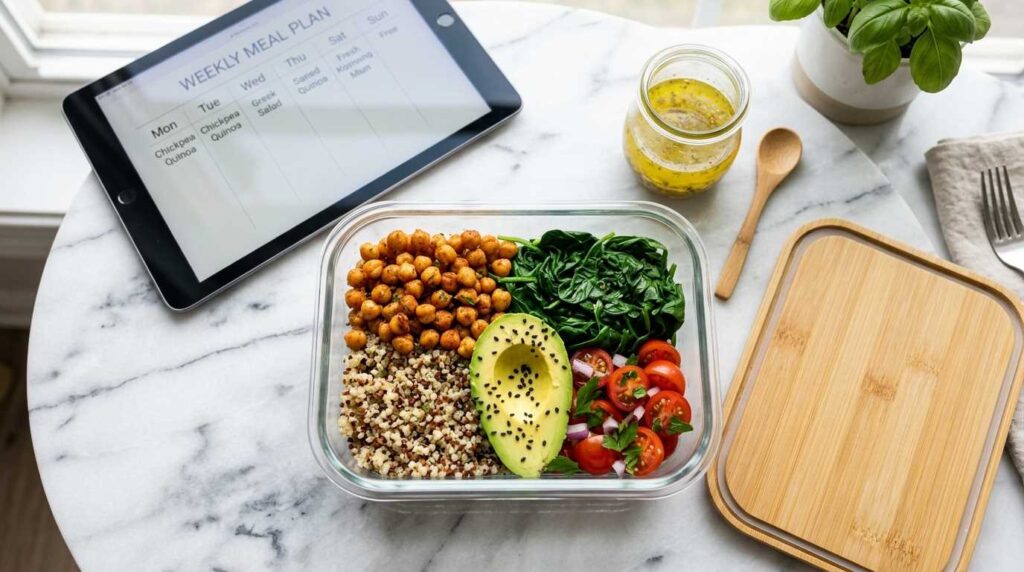
7-Day Anti-Inflammatory Meal Plan for Seniors with Arthritis (Budget-Friendly, Soft-Food Adaptable)
Every meal below can be made soft-food friendly with the adaptations noted. Total ingredient cost: approximately $45–$55 for the full week.
| Day | Breakfast | Lunch | Dinner | Key Benefit |
|---|---|---|---|---|
| Mon | Overnight oats + frozen blueberries + 1 tbsp ground flaxseed | Red lentil soup with turmeric & ginger (blender-smooth) | Baked sardines with EVOO + roasted sweet potato + steamed spinach | Omega-3, beta-glucan, curcumin |
| Tue | Greek yogurt + berry compote + walnut butter drizzle | Chickpea & avocado mash on soft sourdough | Slow-cooked lentil stew with kale (soft) + brown rice | Probiotics, AUs, fiber |
| Wed | Soft scrambled eggs + avocado + turmeric + black pepper | Sardine & mashed sweet potato bowl with EVOO | Salmon patties (canned) with mashed cauliflower + steamed zucchini | EPA/DHA, curcumin, potassium |
| Thu | Green smoothie: spinach + banana + frozen berries + ground flax + kefir | Butternut squash & ginger soup | Baked mackerel with EVOO + roasted carrots + lentil salad (warm) | Omega-3, gingerols, antioxidants |
| Fri | Slow-cooked oatmeal with stewed apple, cinnamon & turmeric | Black bean & corn soup (soft-cooked) | Poached egg + wilted spinach + roasted sweet potato + EVOO | Beta-glucan, quercetin, oleocanthal |
| Sat | Chia pudding (soaked overnight) + frozen mango + kefir | Warm chickpea & roasted pepper soup with EVOO drizzle | Lentil & vegetable curry (turmeric base) + soft-cooked brown rice | ALA, probiotics, curcumin |
| Sun | Banana-walnut smoothie with green tea base + ground flaxseed | Sardine toast on soft bread + avocado + lemon | Baked cod with capers & tomato sauce + steamed zucchini + lentils | Omega-3, probiotics, fiber |
Soft-food adaptation: blend any dinner into a thick soup using an immersion blender. All nutrition is retained. Add EVOO after blending to preserve oleocanthal.
Foods That Make Arthritis Inflammation Significantly Worse
Removing these is as important as adding anti-inflammatory foods. Even a diet rich in omega-3s cannot fully offset the damage from consistently high intake of these inflammation drivers.
- Ultra-processed foods — packaged snacks, fast food, processed deli meats. High in advanced glycation end products (AGEs) that directly damage cartilage proteins.
- Refined carbohydrates — white bread, pastries, instant oats with added sugar. Spike blood glucose, triggering IL-6 and TNF-α release within hours.
- Sugary beverages — soda, commercial fruit juice, energy drinks, sweetened coffee drinks. Fructose drives uric acid production — a direct driver of gout flares.
- Omega-6-heavy vegetable oils — corn oil, soybean oil, sunflower oil in large amounts. Worsen the omega-6:omega-3 ratio, producing pro-inflammatory prostaglandins.
- Excess red and processed meat — particularly deli meats (high in sodium nitrate, AGEs, and arachidonic acid). Limit red meat to ≤1 serving/week if managing active arthritis.
- Alcohol — even moderate alcohol raises CRP and disrupts gut microbiome. For seniors on arthritis medication (especially methotrexate), alcohol should be minimized or eliminated.
- Excess sodium — drives water retention in inflamed joints, worsens joint swelling and blood pressure. Aim for ≤1,500 mg/day (the AHA recommendation for older adults with cardiovascular risk).
How Fast Will You See Results from an Anti-Inflammatory Diet for Joint Pain?
Results are not instant — but they are measurable at predictable intervals:
Days 3–7
Reduced bloating and improved gut comfort (from increased fiber and fermented foods). Energy levels begin stabilizing as blood sugar swings decrease.
Weeks 2–4
Reduced morning stiffness duration (reported in fish oil trial participants). Improved sleep quality. First noticeable reduction in joint swelling in some individuals.
Weeks 6–8
Measurable drop in CRP blood levels (ask your doctor to test at your next visit). Tart cherry juice studies show significant uric acid reduction at this point.
Months 3–6
Sustained joint pain reduction, improved cardiovascular markers (LDL, blood pressure). Microbiome diversity improvements consolidate. Long-term arthritis management becomes significantly more effective.
Tip: Ask your doctor to test CRP (C-reactive protein) and IL-6 levels before starting, then again at 8 weeks. Objective blood marker changes are the clearest way to measure whether the dietary shift is working for your specific biology.
Frequently Asked Questions
The most evidence-backed options for joint-specific inflammation in older adults are: fatty fish (sardines, salmon, mackerel) for EPA/DHA omega-3s, extra virgin olive oil for oleocanthal, turmeric paired with black pepper for curcumin, tart cherry juice for uric acid reduction, and fermented foods like kefir for microbiome-driven inflammation control. These are ranked by clinical evidence in adults over 60 specifically — not just general antioxidant capacity.
Yes, some can. The most important interactions: leafy greens and vitamin K interact with warfarin; high-dose turmeric or fish oil supplements (not culinary amounts) may affect blood thinners; alcohol significantly increases liver toxicity risk with methotrexate. Always tell your doctor about major dietary changes, especially if you’re on anticoagulants, immunosuppressants, or NSAIDs. See the full interaction table above.
All key anti-inflammatory nutrients are available in soft or blended form. Canned sardines/salmon mashed with avocado, red lentil soup (blends completely smooth), slow-cooked oatmeal with berry compote, Greek yogurt with ground flaxseed, green smoothies with spinach and kefir, and slow-cooked lentil stew are all dentist- and denture-friendly. Walnut butter replaces whole walnuts with identical nutrition.
The most anti-inflammatory diet in the world does not require expensive ingredients. Dried lentils (~$0.15/serving), canned sardines in olive oil (~$1.50/can), frozen blueberries ($2.50/lb), rolled oats, frozen spinach, eggs, and plain Greek yogurt form a complete anti-inflammatory foundation for under $50/week. All qualify for SNAP benefits. Avoid supplements — culinary amounts of turmeric, ginger, and garlic from the spice rack provide meaningful anti-inflammatory compounds.
Most seniors report reduced morning stiffness and improved energy within 2–4 weeks of consistent dietary changes. Measurable drops in CRP (blood inflammation marker) typically appear at 6–8 weeks. Significant joint pain reduction and sustained benefit builds over 3–6 months. Tart cherry juice shows uric acid reduction (important for gout) within 6 weeks in clinical trials. Ask your doctor to test CRP before and after to track objective progress.
Generally yes — the foods recommended here are whole, minimally processed foods that are appropriate for all ages. The key considerations for the very elderly (80+): watch for drug interactions (especially vitamin K and warfarin), ensure adequate protein to prevent sarcopenia (muscle loss), and adapt textures as needed. Always consult a GP or registered dietitian before making major dietary changes at any age, particularly if managing multiple chronic conditions.
⚠️ Medical Disclaimer: The content on this page — including information about anti-inflammatory foods for seniors with arthritis — is for educational and informational purposes only. Senior Gig Guide is not staffed by licensed medical professionals. This content is not a substitute for professional medical advice, diagnosis, or treatment. Always consult your physician, rheumatologist, or registered dietitian before making significant dietary changes, especially if you are managing a chronic condition or taking prescription medication. Never discontinue prescribed medication based on dietary changes alone.
Last reviewed and updated: May 16, 2026 by the SeniorGig Team.