

National Geographic once named Atenas, Costa Rica, as having the best climate in the world. That wasn’t hype — it was precision. This is the ultimate guide to Atenas Costa Rica for American retirees who want to live in that climate without sacrificing authentic community, walkable neighborhoods, or the financial advantage that moved them to Central America in the first place.
When analyzing Atenas Costa Rica for American retirees, the town occupies a peculiar position in the Central American retirement landscape. It’s not as developed as Escazú — which has become a mirror image of suburban America with better weather. On the other hand, it avoids being as rustic as Grecia, a destination that demands Spanish fluency and tolerance for slower infrastructure. You also won’t find the intense tourism of Tamarindo, which has traded authenticity for beach accessibility. Instead, Atenas is what happens when a small Central Valley town remains connected to its Costa Rican roots while simultaneously developing enough infrastructure to make American retirement genuinely comfortable.
For many seniors, it’s the sweet spot. Not perfect for everyone, but remarkably well-suited for retirees who want to live in a real place with real people while still having access to reliable services, familiar amenities, and walkable neighborhoods where you can build genuine community.
Why National Geographic Got It Right: Atenas’ Climate Explained
When National Geographic declared Atenas to have the world’s best climate, they weren’t being poetic. They were being precise. Atenas sits at 2,300 feet elevation on the Pacific slope of Costa Rica’s Central Valley — a specific geographic sweet spot that creates conditions found nowhere else on Earth in quite the same combination.
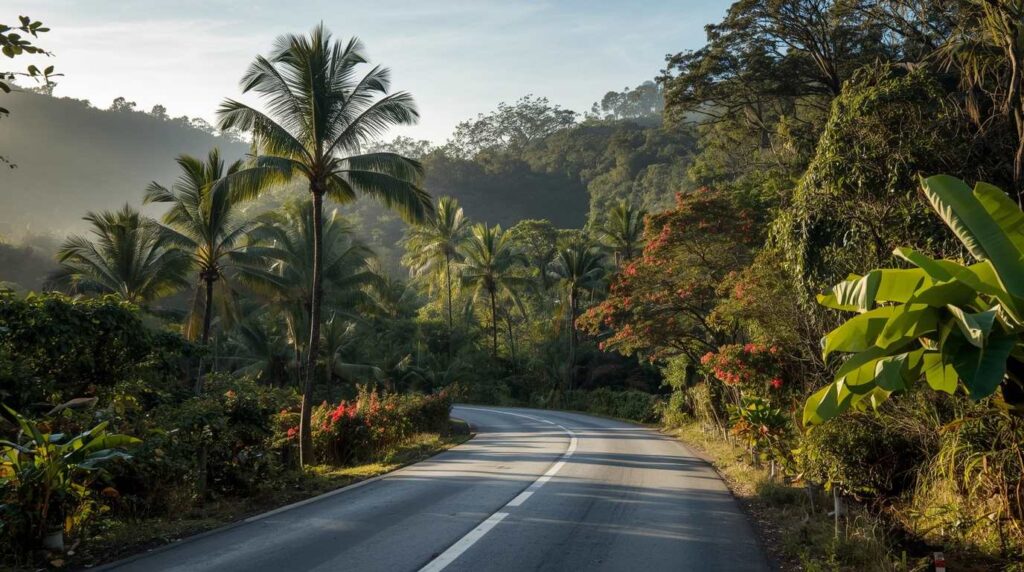
The numbers: Temperature ranges from 65°F at dawn to 82°F at midday, year-round. That’s warm enough that you’re never cold, but cool enough that you’re never uncomfortably hot. Rain comes in the afternoons during the wet season, not all day. Humidity is moderated by elevation. Sunshine is dependable during dry season (December–April) and present even during rainy months.
What this means practically: you don’t need air conditioning (saving thousands annually). You don’t need heating. You wear comfortable clothes year-round — never bundling up, never sweating through shirts. Your home stays naturally ventilated. This sounds like a minor thing until you realize that climate comfort is one of the three factors that most determine retirement happiness (the other two being community and healthcare).
For seniors with arthritis, the consistent 72°F is therapeutic. For anyone who moved away from harsh winters, this climate feels like perpetual May. It’s not “tropical island heat” — it’s not Tamarindo’s 88°F and humidity. It’s something rarer: genuinely perfect weather, day after day, year after year.
The Evolution: How Atenas Became the Goldilocks Town
Twenty years ago, Atenas was a quiet agricultural town, but today, the appeal of Atenas Costa Rica for American retirees has spread significantly. Its reputation grew organically through word of mouth among retirees, travel blogs, and National Geographic’s climate designation, ensuring development happened gradually rather than explosively.
This matters. Unlike Tamarindo (which exploded into a tourist town in a decade) or Escazú (which developed as an upscale suburb), Atenas evolved with American retirees integrated into the development. Local Costa Ricans still live here. Local businesses still exist alongside expat-oriented ones. The town plaza still hosts farmers markets and local culture, not just expat social calendars.
But — and this is important — the infrastructure exists. A real supermarket. Multiple restaurants. Internet that works reliably. Services in English for those who need them (but you can also use Spanish). This is the balance: real Costa Rica with real conveniences.
Real 2026 Budget for Atenas: The Comfortable Middle Ground
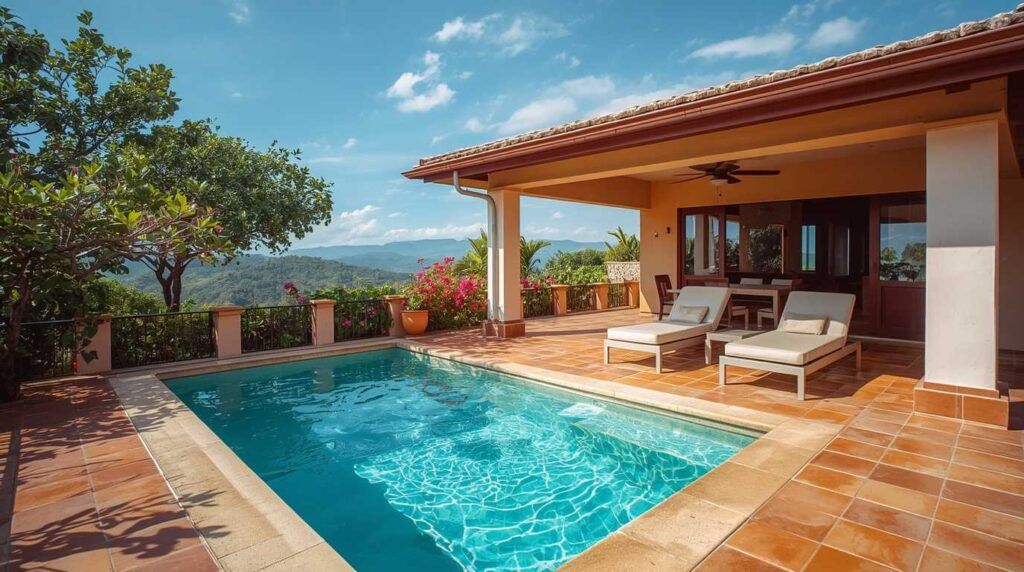
Evaluating the cost of Atenas Costa Rica for American retirees reveals a comfortable middle ground. It costs more than Grecia (you’re paying for the National Geographic climate), but it costs significantly less than Escazú. For many seniors, this is the budget sweet spot.
| Expense Category | Atenas Budget | What This Includes |
|---|---|---|
| Rent (Furnished 2-Bed) | $900–$1,300/mo | Walkable neighborhoods, mixed Costa Rican/expat area; utilities sometimes included |
| Groceries | $280–$380/mo | Local market + supermarket; slightly higher than Grecia due to expat demand |
| Utilities (electric, water, internet) | $100–$160/mo | Electric varies by season; water is cheap; internet is reliable and fast here |
| Caja Healthcare | $75–$120/mo | Monthly contribution to national system; mandatory for residency |
| Private Doctor Visits (occasional) | $50–$80/visit | Specialists cost $60–$120; English-speaking doctors more common here |
| Transportation (car/taxi/bus) | $150–$250/mo | Car optional; taxis cheap; buses reliable; many walk locally |
| Dining Out & Entertainment | $200–$400/mo | More restaurants than Grecia; prices 20–30% higher than local sodas |
| Spanish Classes (optional) | $200–$400/mo | More schools than Grecia; higher quality instruction available |
| Miscellaneous | $150–$250/mo | Personal items, household needs, activities |
| TOTAL MONTHLY: $1,855–$3,050 Most couples report spending $2,100–$2,500/month for comfortable living with occasional dining out and activities | ||
💡 Real-World Example: David and Patricia, both 66, moved from California to Atenas. Their monthly budget: rent ($1,100), groceries ($320), utilities ($120), Caja ($100), occasional doctor visit ($40/month average), dining out/activities ($350), and miscellaneous ($200). Total: $2,230/month — roughly what they were spending on property taxes and utilities in their California home.
🎬 Want to see what life and home prices actually look like in Atenas? Watch this insightful on-the-ground interview and real estate home tour with Costa Rican legal expert Roger Peterson and local expat real estate agent Andrew Partain. They break down real 2026 living costs, utilities, and property taxes while touring actual expat homes in the area:
Neighborhoods: Where to Live in Atenas
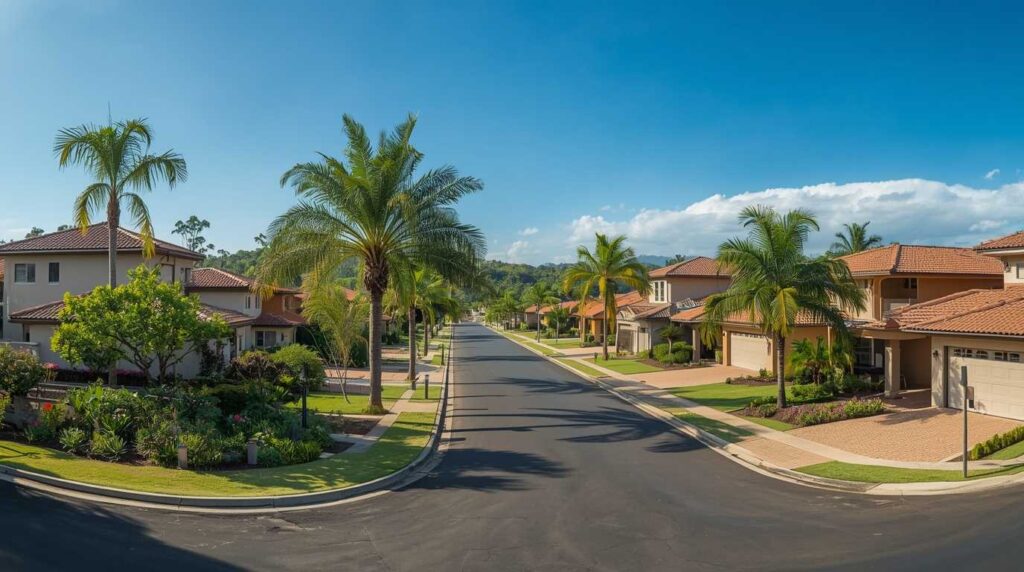
Centro Atenas (Downtown/Town Plaza)
The heart of town — walkable, mixed Costa Rican and expat, surrounded by restaurants and services. The central plaza hosts the farmers market, local events, and community life. Rentals here tend toward older buildings with character, some recently renovated. Noise level is moderate — more activity than outlying neighborhoods, but this is intentional for people who want walkable community. Best for retirees who prioritize walkability and social engagement. Rental costs: $900–$1,100/month for a 2-bedroom.
Las Américas/Residencial Areas (Quieter Residential)
Developed residential neighborhoods 5–10 minutes from center. More spacious properties, gardens, quieter streets, newer construction. Still walkable to downtown in 15–20 minutes, but with more peace and privacy. Higher concentration of expats, but not an exclusive bubble. Rental costs: $1,000–$1,400/month for a 2-bedroom with more space and amenities.
Hacienda Atenas (Hilltop/Premium Area)
Higher elevation, more expensive, panoramic views, exclusive feeling. Fewer locals, more expat-concentrated. Properties are newer and more upscale. Good for retirees who want space, views, and amenities, and who don’t mind being less integrated with local community. Rental costs: $1,300–$1,800+/month.
What Makes Atenas Genuinely Walkable
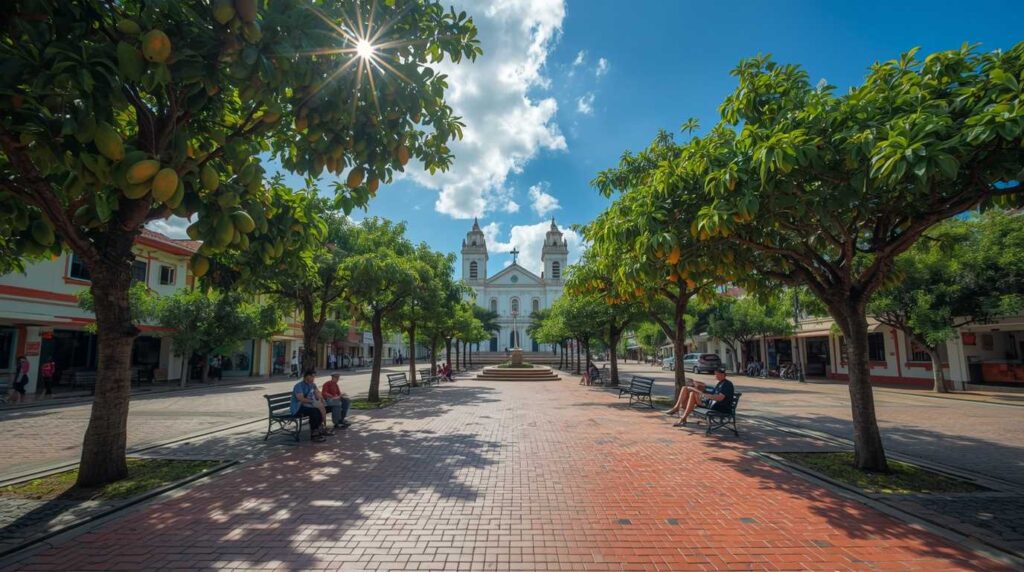
One of the hidden benefits of Atenas Costa Rica for American retirees is that the town is actually walkable — not just theoretically, but practically. This changes retirement quality significantly. You can easily walk to the market, the restaurants, the pharmacy, and the central plaza. You don’t need a car for daily life. This simple fact reduces stress, increases spontaneous social interaction, and lets you stay active without deliberate exercise programming.
The central area within 15 minutes of walking has most services. Beyond that, you might want transportation. But for daily life, Atenas’ walkability is legitimately distinctive among Costa Rican towns.
Buses also work well here — more frequent and more reliable than Grecia, though less extensive than San José. A taxi to San José (35 minutes) costs $35–$45. Car ownership is optional, unlike many Costa Rican locations.
Healthcare in Atenas: Better Options, Same Value

Atenas’ proximity to San José (35 minutes) and established expat community means better healthcare access than smaller towns.
Local Clinics and English-Speaking Doctors
Atenas has multiple private clinics with English-speaking staff. A doctor’s visit costs $50–$80. Specialists in town or nearby cost $60–$120. More doctors here speak fluent English than in Grecia, and they have more specialized training. This isn’t Escazú-level healthcare infrastructure, but it’s substantially better than isolated towns.
The Caja System (National Health Insurance)
Same as everywhere: $75–$120/month for comprehensive coverage. Major hospital access (Hospital San Juan de Dios, CIMA Hospital) is 35–45 minutes away — more accessible than from Grecia or San Ramón.
Pharmaceutical Access
Multiple pharmacies in town. Medications are cheaper than the US but more expensive than Grecia due to expat demand inflating some prices. Most common prescriptions are available — bring your list when you arrive.
Activities and Community in Atenas
OWhen it comes to social lifestyle, the infrastructure of Atenas Costa Rica for American retirees provides a clear advantage over smaller, more isolated towns like Grecia.

Farmer’s Market & Gastronomy. Sunday market is lively and walkable from most neighborhoods. Local restaurants range from casual sodas ($5–$8 meals) to mid-range spots ($15–$25). Several restaurants cater to expat palates without being tourist traps.
Community Groups. A larger expat community means more organized activities — book clubs, yoga classes, hiking groups, social dinners, language exchanges. These aren’t forced or artificial; they’re genuine groups of people with shared interests.
Cultural Activities. Local theater, art galleries, churches hosting community events. The Costa Rican cultural calendar (fiestas, celebrations) is accessible without being overwhelming.
Nearby Adventure. Waterfall hiking is 20–30 minutes away. Coffee farm tours start here. Jacó beach (40 minutes) offers coastal day trips. Cloud forest reserves are accessible.
Language Learning. Multiple Spanish schools operate in Atenas, including formal schools and private tutors. Quality is higher than smaller towns, and immersion opportunities exist within a real community (not just a tourist town).
Food & Dining: Walkable Restaurant Culture
Atenas’ walkability means you can actually explore restaurants as a lifestyle activity, not a special occasion. The dining scene is more developed than Grecia but less touristy than Tamarindo.
Local Sodas (Casual Local Restaurants)
Casado (daily plate) costs $5–$8. Breakfast is $3–$5. These are where locals eat, and they’re within walking distance from most neighborhoods.
Mid-Range Restaurants
Atenas has grown a genuine restaurant scene. Restaurants catering to expats (but not exclusively) cost $12–$25 per person for dinner. Quality varies, but good options exist and are walkable.
Grocery Shopping
A real supermarket (Mega Super, Auto Mercado equivalent) exists with prices similar to US grocery stores. Farmers market on Sunday offers better prices for fresh items. Budget: $280–$380/month for a couple with varied eating habits.
Atenas vs. Other Costa Rican Towns: The Real Comparison
| Factor | Atenas | Grecia | Escazú | Tamarindo |
|---|---|---|---|---|
| Climate | National Geographic’s best (perfect) | Near-perfect, slightly cooler | Good, can feel grey | Hot/humid, seasonal variation |
| Monthly Budget (Couple) | $2,100–$2,500 | $1,200–$2,070 | $2,500–$4,500 | $2,000–$4,000 |
| Walkability | Genuinely walkable ✅ | Somewhat walkable | Car-dependent | Car-dependent (spread out) |
| Restaurant Scene | Good variety, walkable | Smaller selection | Extensive, upscale | Touristy, expensive |
| Healthcare Access | Good local + San José 35 min | Basic local + San José 45 min | Excellent (CIMA Hospital local) | Limited locally, San José 3+ hrs |
| Expat Community | Established, integrated | Small, growing | Large, bubble-like | Large, transient, younger |
| Local Integration | Possible, encouraged | Likely, necessary | Less common, possible | Minimal, you’re in tourist zone |
| Spanish Required? | Helpful (intermediate) | Necessary (intermediate) | Not really (low) | Not really (low) |
| Best For | Climate + walkability + balance | Budget + authenticity | Healthcare + convenience | Beach lifestyle + activity |
Detailed Town Comparisons: Why Pick Atenas Over the Others?
Atenas vs. Grecia: The Climate + Comfort Question
Both have excellent climates. Grecia is slightly cooler (4,000 ft vs. 2,300 ft), giving it a 50°F average low vs. Atenas’ 65°F low. For seniors with arthritis, Atenas’ warmth might be preferable. Atenas is more walkable and has better services. Grecia is cheaper and more authentic. Choose Atenas if you prioritize walkability + climate + infrastructure balance. Choose Grecia if you prioritize budget + authenticity + don’t mind driving for errands.
Atenas vs. Escazú: The Comfort Premium Question
Escazú is more developed, more English-friendly, closer to world-class healthcare (CIMA Hospital is there), and feels like a familiar suburb with better weather. You pay 40–80% more. Atenas offers nearly the same comfort level at significantly lower cost, with better local integration. Choose Escazú if healthcare complexity or convenience override all other factors. Choose Atenas if you want comfort without the Escazú premium and you’re willing to be more integrated with local Costa Rica.
Atenas vs. Tamarindo: The Beach vs. Climate Question
Tamarindo has beaches, surfing, younger culture, and intense tourism. Atenas has the climate National Geographic praised and a genuine community. Atenas’ weather is more consistent; Tamarindo’s rainy season can be intense. Choose Tamarindo if beach lifestyle is non-negotiable. Choose Atenas if climate consistency + walkability + community matter more than ocean access.
The Honest Reality: What Retirees Wish They’d Known About Atenas
It’s Getting More Expensive
The growing popularity of Atenas Costa Rica for American retirees means the local market is shifting. Rents have increased 20–30% over the last three years. While it remains cheaper than Escazú, it is more expensive than it was five years ago. Early-mover retirees got better deals. New arrivals should expect the prices listed here, and they may continue rising.
The Rainy Season Is Still Real
May–November brings daily afternoon rains. The climate is more forgiving than the Caribbean coast, but if you need consistent sunshine, plan accordingly. Visiting during the rainy season (September–October) before committing is essential.
Spanish Still Helps (But Isn’t Mandatory)
Unlike Grecia, you can function in English. But intermediate Spanish opens doors to local friendships and deeper community integration. Many retirees regret not learning more Spanish, even in Atenas where they could have avoided it.
The Expat Community Can Be Cliquey
Atenas’ expat community is established and warm, but it’s also an existing social ecosystem. Making friends isn’t automatic. Some retirees find instant belonging; others take 6–12 months to build a social circle. Don’t assume community happens without effort.
Internet Is Good But Not Silicon Valley
Internet in Atenas is generally reliable and reasonably fast (10–50 Mbps depending on provider). But it’s not always stable. If your retirement depends on constant high-speed internet (telemedicine, video conferencing), have a backup plan. Most retirees find it fine for email, browsing, and streaming.
Housing and Rentals: Finding Your Home in Atenas
Furnished Apartments and Homes
Rentals range from $900–$1,400/month depending on location and amenities. Most landlords are Costa Ricans or long-term expat residents, not large property management companies. Lease terms are negotiable. Deposits are typically one month’s rent. Lease agreements should be clear about utilities: some landlords include them; others don’t.
Where to Find Rentals
Facebook groups (“Atenas Costa Rica Rentals,” “Atenas Expats”) are the primary listing source. Airbnb has longer-stay discounts. Local real estate agents exist and can help with longer-term rentals (though they charge commission). Walking neighborhoods and asking locals often uncovers rentals not advertised online. WhatsApp is the primary communication method.
Scouting Trip Strategy
Spend your first month in an Airbnb (cost: $1,000–$1,300 for the month, higher than long-term rental but flexible). Explore neighborhoods, understand the town rhythm, talk to residents, and only then commit to a long-term lease. This is time and money well spent.
Visiting Atenas Before You Commit: A 3-Week Plan
Week 1: Get the Lay of the Land
Stay in an Airbnb in Centro. Walk everywhere. Visit the market. Sit in the plaza and watch life. Eat at sodas and restaurants. Talk to other expats and Costa Ricans. Get a real feel for the community pace.
Week 2: Test Different Neighborhoods
Move to Las Américas or another residential area. Stay in a different Airbnb. Experience what daily life feels like in quieter neighborhoods. Go grocery shopping. Visit a clinic. Interact with more locals. Notice how easy or difficult it is to build routine.
Week 3: Make Connections and Decide
Attend an expat group event. Join a yoga class or walking group. Connect with locals. Ask the hard questions: Can you see yourself here? Are you building genuine relationships or just enjoying a vacation? Does the community fit what you want from retirement?
Frequently Asked Questions About Atenas
Yes. Atenas is one of the safest towns in Costa Rica. Violent crime is extremely rare. Standard urban precautions apply (don’t flash valuables, be aware at night), but fear isn’t justified. Most retirees report feeling safe.
No, but it helps significantly. You can function in English, especially in the expat community. But speaking Spanish opens doors to local friendships, better business deals, and deeper integration. Most successful retirees here invested in Spanish classes even though they didn’t strictly need them.
Escazú is more developed, more American-feeling, has CIMA Hospital locally, and everything is English-friendly. You pay 40–80% more. Atenas offers excellent climate, walkability, and community at substantially lower cost. Choose based on healthcare needs and comfort priorities, not just price.
Genuinely walkable. Most daily services are within 15–20 minutes of walking from residential neighborhoods. The central plaza is walkable from any part of town. Beyond the central area, transportation (bus, taxi) is needed. This walkability is rare in Costa Rica and changes retirement quality significantly.
Absolutely. The Pensionado visa doesn’t lock you in. Many retirees spend a year testing before fully committing. If Atenas isn’t right, you can return to the US without penalty. This flexibility is important to accept when you move internationally.
US tourists get 90 days on a regular tourist stamp. For longer stays, the Pensionado visa (requires $1,000/month permanent income) is the standard path. The Digital Nomad Visa also exists. Many people visit first on tourism, then explore longer-term options.
Atenas: The Climate National Geographic Praised, Now With Walkability
Atenas isn’t Grecia (it’s not as budget-friendly or as authentically rustic). It’s not Escazú (it’s not as developed or as expat-bubble-like). It’s not Tamarindo (it’s not a beach town with tourism intensity). What it is: a genuine Costa Rican town that has grown the infrastructure to support comfortable retirement, with the climate that National Geographic recognized as special.
For American retirees seeking the balance between comfort and authenticity, between walkability and real community, between paying less and living well — Atenas occupies a rare space. It’s the town that sits exactly between the options, capturing advantages from multiple approaches while avoiding the extremes of any single one.
Comparing All Costa Rican Retirement Towns for Seniors: