

National Geographic once declared Atenas, Costa Rica, to have the best climate on Earth. But here’s what they didn’t tell you: Grecia delivers 95% of that climate at 60% of the cost, with an authenticity that Atenas — now crowded with expat developments and luxury restaurants — lost a decade ago. This is the ultimate guide to grecia costa rica for american retirees who want real Costa Rica, not the resort version of it.
There are two stories about retirement in Costa Rica. The first is the one you see in travel magazines: hammocks, sunset views, and a budget that seems to defy economics. The second is the one told by the 50-year-old American couple who moved to a “charming small town,” ran out of restaurant options by week three, realized they can’t find their medications, and spent their first rainy season wondering if the mold would eat their house. This guide is about neither extreme.
When exploring grecia costa rica for american retirees, you will find a Central Valley town of about 75,000 people where you’ll share neighborhoods with local Costa Ricans, not expat enclaves, where a furnished two-bedroom costs $700-$900 a month, where the weather feels like eternal April, and where you’ll actually become part of a community rather than watching it from a cafe table — is where the second group often wishes they’d gone instead. Not because it’s perfect, but because the tradeoffs it asks for are the ones that most Americans who move abroad actually want.
Why Grecia Became the Secret Gem for Seniors Who Know
Grecia’s history is bound up with the Costa Rican railway — the slow train line that connected the Central Valley to the Caribbean coast, making this town a natural crossroads. That history created something that never fully disappeared: a real town where real people live, work, raise families, and grow coffee, rather than a resort engineered for tourism.
That’s changing. Grecia has started appearing in expat Facebook groups and online retirement forums over the past few years. Younger entrepreneurs are opening craft coffee shops. Airbnb listings have tripled. A yoga studio opened. But unlike Atenas, grecia costa rica for american retirees still offers a window of time before completing its transformation into an upscale expat haven. Your neighbors are still predominantly Costa Rican. The local supermarket still serves locals more than tourists. The farmers market on Sunday morning is where people actually buy food, not where they go to experience “authentic culture.”

That window won’t stay open forever. Which is precisely why the American seniors discovering Grecia now are doing so before the transformation that made other towns expensive and hollow.
| Factor | Grecia | Atenas | Escazú | Tamarindo |
|---|---|---|---|---|
| Monthly Budget (Couple) | $1,200–$2,070 | $1,800–$2,800 | $2,500–$4,500 | $2,000–$4,000 |
| Climate | Spring year-round, 65–80°F | Spring year-round, 68–82°F | Central Valley mild, 70–82°F | Hot/humid, beach season variation |
| Expat Community | Small, integrated | Large, established | Very large, bubble-like | Large, younger, transient |
| Local Population | Still majority Costa Rican | Mixed, expat-inflected | Expat-dominant | Tourist/expat-dependent |
| Spanish Necessity | Intermediate (necessary) | Low (optional) | Very low (English everywhere) | Low (tourist town) |
| Best For | Budget-conscious, culturally curious | Climate-focused, budget-moderate | Healthcare-priority, convenience | Beach lovers, active outdoor lifestyle |
Grecia’s Climate: Why It’s the Most Underrated in Costa Rica
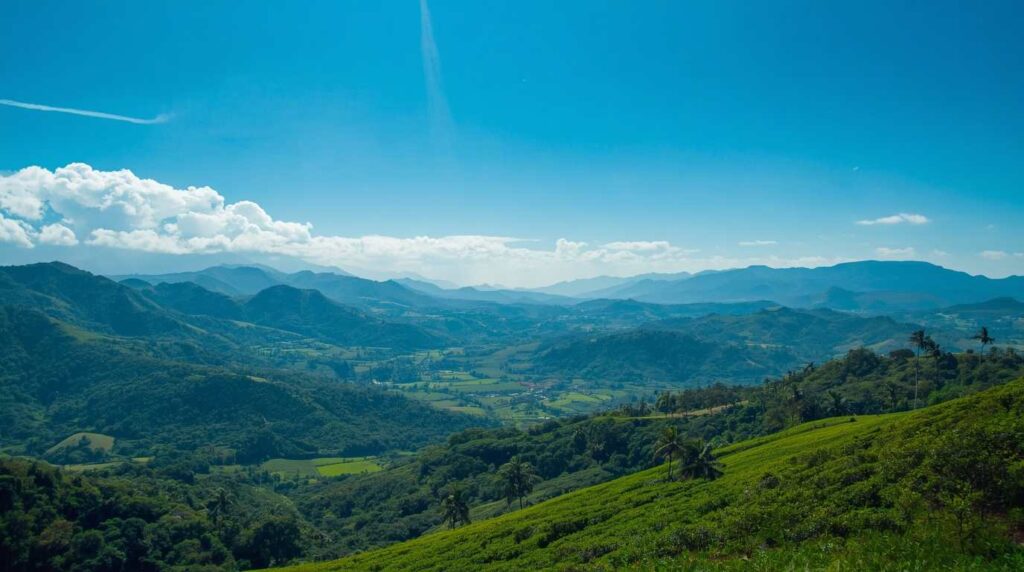
Grecia sits at 4,100 feet elevation on the Pacific slope of the Central Valley — a sweet spot that locals call the “eternal spring” zone. What that actually means: you wake up to 65°F, mid-day temperatures reach about 78°F, evenings drop to 68°F, and you’ll wear a sweater maybe twenty days a year. No air conditioning needed. No heating needed. Just a window open and the sound of the Central Valley at altitude.
The rainy season (May through November) is different from the Pacific coast. Instead of daily afternoon downpours, you get mornings that are often clear, with rain arriving in the afternoon or evening — enough to keep everything lush and green, not so much that you’re housebound. September and October are the wettest months. December through April is reliably dry. Most retirees say the climate is their single best reason for staying.
What makes this different from Atenas (which sits at 2,300 feet and stays slightly warmer) or the Central Valley’s lower-elevation areas (like San José, which can feel chilly and grey)? Elevation. Grecia’s altitude keeps it cooler without making it cold. Close enough to San José for conveniences, far enough away that you escape the valley’s moisture and fog.
What You’ll Actually Spend in Grecia: Real 2026 Budget Numbers
The most common question when researching grecia costa rica for american retirees is simple: “What does it really cost?” The honest answer is that your budget depends on your lifestyle. But here are the real numbers — not blog fantasies from 2015.
| Expense Category | Budget Estimate | What This Includes |
|---|---|---|
| Rent (Furnished 2-Bed) | $600–$900/mo | Local neighborhood, not expat area; utilities sometimes included |
| Groceries | $200–$300/mo | Local market + supermarket; mostly local products; imported items cost more |
| Utilities (electric, water, internet) | $80–$140/mo | Electric varies by season; water is cheap; internet is reliable here |
| Caja Healthcare | $75–$120/mo | Monthly contribution to national system; mandatory for residency |
| Private Doctor Visits (occasional) | $50–$80/visit | Specialists cost $60–$120; no insurance needed (pay out-of-pocket) |
| Transportation (bus + taxi) | $80–$150/mo | Buses are $0.50–$1; taxis are reliable and cheap; car optional |
| Dining Out & Entertainment | $150–$300/mo | Lunch specials are $5–$8; restaurant dinners $12–$25; varies by habits |
| Spanish Classes (optional) | $200–$400/mo | Private tutors or small group classes; highly recommended first year |
| Miscellaneous (toiletries, repairs, etc.) | $100–$200/mo | Personal items, household needs, occasional repairs |
| TOTAL MONTHLY: $1,335–$2,190 Most couples report spending $1,500–$1,800/month for a comfortable life | ||
💡 Real-World Example: Robert and Susan, both 68, retired to Grecia from Denver. Their monthly budget: rent ($750), groceries ($280), utilities ($95), Caja ($100), occasional doctor visit ($40/month average), dining out ($200), and miscellaneous ($150). Total: $1,615/month — which is less than their single property tax payment was in Colorado.
💡 Watch Before You Move: Expat Interview & Property Insights Want to hear what life in Grecia is really like from someone who has been there for over two decades? In the video below, long-term expat and local real estate expert Brooke Bishop breaks down the differences between Grecia’s 5 mountain ridges, practical monthly utility costs, and why the local culture of sharing fresh fruit makes this town so uniquely welcoming.
Neighborhoods in Grecia: Where Seniors Actually Live
Grecia isn’t large, but different neighborhoods have distinct feels. Understanding the geography of grecia costa rica for american retirees helps you pick the right area for your lifestyle.
Centro (Downtown Grecia)
The heart of town — walkable, full of local life. The central plaza is where people gather, where the church anchors the community, and where farmers markets happen on Wednesday and Sunday. Rentals here are a mix: some budget-friendly apartments above shops, some renovated colonial homes. The trade-off: it can be noisier, especially weekend evenings. Best for retirees who want immersion, who like being part of the everyday fabric, and who don’t mind street noise. Rental costs: $600–$800/month for a 2-bedroom.
El Condor (Quieter Residential Area)
About 10 minutes outside downtown, on the road toward San Ramón. More spacious properties, gardens, quieter streets. You’ll find more expats here — not an expat bubble, but a noticeable cluster of American and European retirees. Better for people who want a bit more peace and quiet without sacrificing walkability to services. Rental costs: $750–$950/month for a 2-bedroom with more space.
San Ramón (Adjacent Town, 10 Minutes Away)
If Grecia feels too developed, San Ramón feels like Grecia did five years ago. Similar climate, very similar prices, slightly quieter, slightly more rural feel. Many retirees find they prefer it. The cost difference is minimal, but you get more nature and less urban infrastructure. If you want Grecia’s authenticity cranked up a notch, this is where you find it. Rental costs: $550–$800/month.
Transportation in Grecia: Do You Need a Car?
This question comes up constantly, and the honest answer is: you don’t need one, but a car makes some things easier.
Public Transportation: Buses Are Reliable and Cheap
Grecia has a solid local bus system connecting the town center, neighborhoods, and surrounding areas. A single ride costs $0.50–$1. Buses to San José run frequently ($1–$2, 45 minutes). For someone without a car, buses handle daily groceries, doctor appointments, and travel to larger towns. The system isn’t on a posted schedule, but buses run regularly enough that you learn the rhythm. Many retirees without cars live comfortably here — they just plan ahead.
Taxis Are Affordable and Trustworthy
A taxi from the El Condor neighborhood to downtown costs about $5–$8. To San José (for hospital visits or flights) is usually $35–$50. Pre-arranged taxi services can be booked through your landlord or via WhatsApp — reliable, on-time, and inexpensive. Uber works but is spotty; Didi (Latin American alternative) sometimes works. Most retirees use taxis for convenience items and buses for routine trips.
Owning a Car: The Reality
If you bring a car from the US or buy one locally, you should know: Costa Rican roads outside major towns are unpredictable. Potholes appear suddenly. Rainy season flooding can make roads impassable. A 4WD vehicle is more practical than a sedan, though not absolutely necessary. Gasoline costs about $1.50/liter. Car insurance, registration, and upkeep add up. Many retirees rent a car when they need one (about $40–$60/day) rather than owning full-time. It’s a personal choice, not a necessity.
Healthcare in Grecia: What Seniors Must Know
Healthcare is where many seniors’ Costa Rica dreams either solidify or crumble. Getting it right matters.
The Caja System (National Health Insurance)
Costa Rica’s public healthcare system — Caja Costarricense de Seguro Social (CCSSS) — is mandatory for legal residents and costs $75–$120/month depending on income. It covers routine care, prescriptions, surgeries, and hospitalization. The quality is genuinely good, particularly at major hospitals like Hospital San Juan de Dios and Hospital México in San José (45 minutes away). Waiting times for non-urgent procedures can be long, but critical care is handled immediately. For seniors, the Caja is essential — don’t budget for retirement in Costa Rica without this monthly cost factored in.
Local Clinics and English-Speaking Doctors
Grecia has a few private clinics where you can pay out-of-pocket for quick access. A doctor’s visit costs $50–$80. Specialist consultations run $60–$120. Most doctors in Grecia have at least basic English; some are fluent. For ongoing complex care (cardiology, orthopedics), San José has excellent private hospitals like CIMA, where doctors trained in the US or Europe practice. A visit there costs more but still less than US rates.
Important: Medicare Does NOT Work in Costa Rica
US Medicare stops at the US border. You need either the Caja system (which requires legal residency and that monthly contribution), private international health insurance (expensive), or the financial ability to pay out-of-pocket. Many retirees use the Caja for major/long-term care and pay privately for specialist visits. The math usually works out to far less than US healthcare costs, but plan accordingly.
What to Do in Grecia: Activities for Active Retirees
The single biggest concern American retirees have about small towns is boredom. “What will I do all day?” Here’s what Grecia actually offers:
Coffee Farm Tours. Working coffee farms surround Grecia — not tourist traps, but actual farms where you can see the entire process from plant to cup. Many farmers will show you around, explain the terroir and harvest season, and let you try the coffee fresh-roasted. A few charge small fees ($10–$20); many don’t charge anything if you’re genuinely interested.
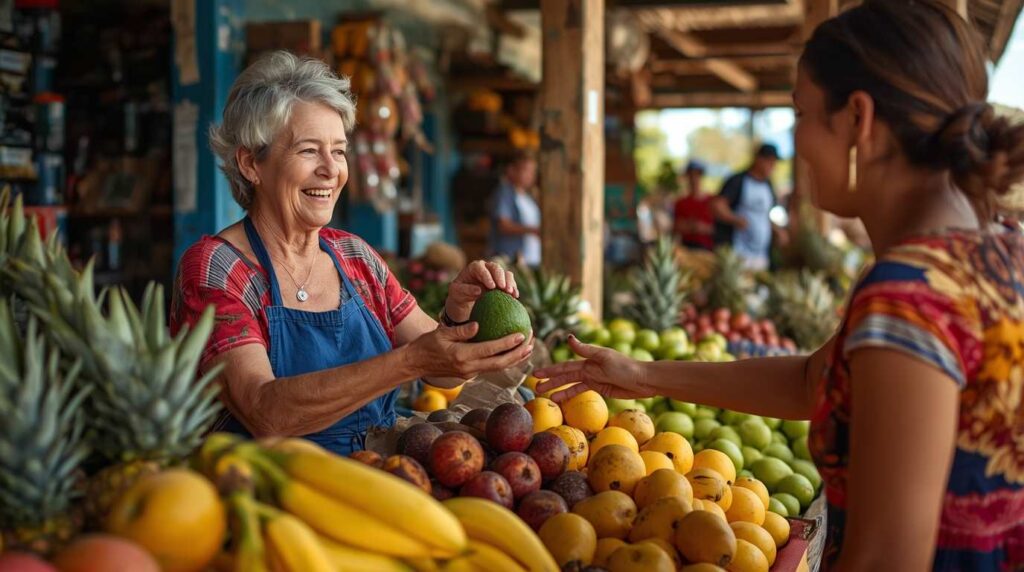
Farmers Markets. Wednesday and Sunday mornings, the central plaza becomes a market where locals sell vegetables, fruits, cheese, and prepared foods. This isn’t a tourist market — it’s where people buy groceries. Going is a low-key way to practice Spanish, find the best produce prices, and become part of the community fabric.
Hiking and Waterfalls. The area around Grecia has numerous trails and waterfalls. Nearby attractions include the Pozo Azul waterfall (30 minutes away), various cloud forest reserves, and accessible hiking for retirees who are reasonably active. A guide isn’t necessary for most trails, though hiring one ($30–$60) adds context and safety.
Spanish Language Learning. Several small schools and private tutors offer classes. Taking even informal classes ($200–$400/month) accomplishes two things: better integration into the community and genuine mental stimulation. Retirees often say language learning kept them mentally sharp in ways they hadn’t expected.
Art Studios and Craft Galleries. Grecia has a growing arts community — painters, sculptors, and craftspeople with studios open to visitors. The creativity is genuine, not commercialized.
Social Clubs and Yoga Classes. The American and European expat community (though small) organizes regular get-togethers. Yoga studios have opened. Walking groups meet in the mornings. These aren’t overwhelming in number, but they exist if you want community beyond locals.
Where to Stay: Housing and Rentals in Grecia
Finding housing in Grecia is easier than in larger Costa Rican towns but requires patience and realism.
Monthly Rental Options
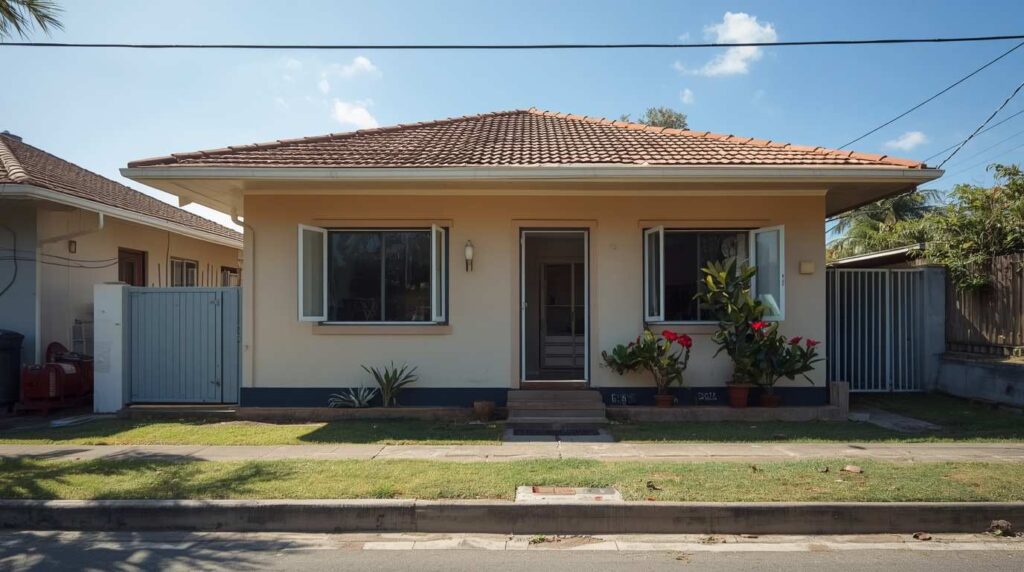
Furnished apartments and homes rent for $600–$950/month depending on location and amenities. Most landlords are Costa Ricans who rent out a property or two — not large property management companies. Lease terms are negotiable. Deposits are typically one month’s rent. Many rentals include utilities; some don’t. What to look for: reliable water supply (ask locals), adequate ventilation (critical in rainy season to prevent mold), proximity to buses or taxis, and neighborhood feel.
Finding Rentals
Facebook groups (“Grecia Costa Rica rentals,” “Gringos in Grecia”) are where most listings appear. Airbnb has listings for longer stays (1–3 months often have discounts). Walking around neighborhoods and asking locals (or asking your current Airbnb host) often uncovers rentals not advertised online. WhatsApp is the primary communication tool. Most landlords speak minimal English — having basic Spanish or using a translation app helps significantly.
Scouting Trip: Rent Short-Term First
Nearly every retiree who successfully moved to Grecia spent their first month or two in an Airbnb or short-term rental, exploring neighborhoods, meeting people, and understanding the town before signing a long-term lease. This is time well spent. A one-month Airbnb typically costs $800–$1,200 (higher than monthly rentals but worth it for flexibility during scouting).
Food and Dining: Eating Well on a Budget
One of the genuine pleasures of living in Grecia is the food — fresh, seasonal, local, and extraordinarily affordable.
The Casado (Daily Special)
At any local soda (small restaurant), the casado — the day’s plate — costs $5–$8 and includes rice, beans, salad, a vegetable or side, and a protein (chicken, fish, or beef). It’s the standard lunch for locals and represents genuine value. This isn’t a “special tourist price” — it’s what locals pay. Breakfast is even cheaper: eggs, beans, rice, and coffee for $3–$5.
Grocery Shopping
The local supermarket (Mega Super, Auto Mercado) has basic items at prices similar to US grocery stores. The farmers market has fresher, cheaper produce: lettuce for $0.50/bunch, tomatoes for $1/pound, avocados for $0.50–$1 each. Imported items (cheese, certain cereals, specialty foods) cost more here than in the US. Local items cost far less. A realistic grocery budget for a couple is $250–$350/month for comfortable eating.
Dining Out
A decent restaurant dinner (not fast food, not upscale) costs $12–$25 per person. Pizza, burgers, and local fare are cheaper. A few restaurants cater to the expat palette with familiar food at higher prices. Many retirees find themselves cooking more than they expected — both for budget reasons and because eating local food while in a foreign country feels more authentic.
Grecia vs. Other Costa Rican Retirement Towns: Honest Comparisons
Grecia vs. Atenas
Atenas has a similar climate and is slightly warmer due to lower elevation. Atenas is more established as an expat destination, with more English-speaking services and expat infrastructure. But Atenas costs 40–60% more, feels more developed, and the local community is diluted by the expat density. Choose Atenas if convenience and English-language amenities are priorities; choose Grecia if budget and authenticity matter more.
Grecia vs. Tamarindo
Tamarindo is a Pacific beach town with hot, humid weather and a strong tourism infrastructure. It’s beautiful and lively but crowded, expensive, and the rainy season can be intense. Choose Tamarindo if beach life and warm-weather outdoor activity are non-negotiable; choose Grecia if climate, budget, and quiet matter.
Grecia vs. Escazú
Escazú is San José’s upscale neighborhood — expensive, highly developed, English everywhere, world-class healthcare facilities, American-style amenities. It’s appropriate for seniors with complex medical needs or those who want minimal cultural adjustment. Grecia is the opposite: authentic, budget-friendly, Spanish-required, and community-oriented. They’re not competing options; they’re different lifestyles.
The Honest Truth: What Seniors Should Know About Grecia Before Moving

Spanish Language: You’ll Need It More Than You Might Expect
In Escazú or Tamarindo, you can function entirely in English. In Grecia, you can’t. You need intermediate Spanish to navigate government offices, communicate with your landlord, handle healthcare situations, and build genuine friendships. “Duolingo Spanish” isn’t enough. Most retirees who thrive in Grecia invest in formal classes their first year. It’s not optional; it’s foundational.
The Rainy Season Is Real
May through November, afternoon rains are daily. The landscape turns extraordinarily green and beautiful. But if you’re someone who needs consistent sunshine, this can be psychologically difficult. A scouting trip during September or October (the wettest months) is essential before committing to a move.
Bureaucracy and Paperwork
Costa Rica runs on paperwork and patience. Setting up utilities, handling residency paperwork, dealing with government offices — it all takes longer than in the US and often requires documents you don’t expect. Hiring an immigration attorney ($1,500–$2,500) for the Pensionado visa process is strongly recommended. DIY is possible but error-prone.
Medical Emergencies: The 45-Minute Reality
The nearest major hospital (Hospital San Juan de Dios in San José) is 45 minutes away. For routine care, Grecia’s clinics are fine. For emergencies, you need transport and quick decision-making. This is manageable but something to accept before moving.
Expat Community Is Small (This Is a Feature, Not a Bug)
Unlike Atenas or Escazú, you won’t find an established American community with scheduled events and instant friendships. Some retirees love this (you’re not in an American bubble). Others find it isolating their first months. Be honest with yourself: do you want instant expat community, or are you comfortable building relationships slowly with locals and fellow travelers?
Visiting Grecia Before You Move: A 3-Week Scouting Plan
The retirees who successfully move to Grecia nearly always spend at least 3–4 weeks there before committing. Here’s how to structure that scouting trip productively:
Week 1: Acclimate and Explore
Stay in an Airbnb in the Centro area. Walk the town. Visit the farmers market. Have meals at local sodas (budget restaurants). Join a yoga class or walking group if available. Talk to locals and other expats. Get a sense of the rhythm and whether the pace feels right.
Week 2: Live Like a Local
Move to a different neighborhood (El Condor or San Ramón). Rent a short-term apartment if possible (get on the ground level of actual housing). Go grocery shopping. Run errands. Visit clinics or meet with a doctor. Spend time on bureaucratic tasks (visiting the immigration office, understanding how utilities work). This is where reality becomes clear.
Week 3: Make Connections and Decide
Connect with both locals and the small expat community. Ask questions: What surprised you? What would you do differently? Are you genuinely building friendships or just being polite? Can you see yourself here for years? Let yourself feel the place — not as a tourist, but as a potential resident.
Frequently Asked Questions About Grecia and Costa Rica Retirement
Yes. Grecia is one of the safest towns in Costa Rica, with very low violent crime. Petty theft exists (don’t leave valuables unattended), but the violent crime rate is a fraction of most US cities. Standard urban caution is appropriate; fear is not justified.
With consistent study (classes plus daily practice), most adult learners reach conversational proficiency in 6–12 months. Full fluency takes 2–3 years. Most retirees say they reach “functional Spanish” (enough to handle daily life) in 4–6 months with serious effort.
The Pensionado visa doesn’t lock you in. If you decide Grecia isn’t right, you can leave. There’s no penalty. Many retirees spend 6 months or a year testing the waters before fully committing. This is reasonable and common.
No. Tourists can stay 90 days on a regular tourist visa (US passport). If you want to stay longer, the Pensionado visa is the typical path (requires $1,000/month permanent income). The Digital Nomad Visa also exists for remote workers with income. Many people come on tourist status initially, then explore longer-term options.
Yes. US citizens must file US tax returns on worldwide income regardless of residency. However, the Foreign Earned Income Exclusion and Foreign Tax Credit can significantly reduce your liability…
Grecia for American Retirees: The Bottom Line
Grecia is not Costa Rica for everyone. It demands Spanish language effort, comfort with bureaucracy, and acceptance of different rhythms and infrastructure. It offers authentic community, real climate, genuine affordability, and the feeling of actually living in a place rather than observing it from a tourist bubble.
The American retirees thriving in Grecia are typically people who moved because they wanted cultural immersion, not just sunshine and low cost. They’re people willing to speak Spanish, accept that things work differently, and find meaning in learning a new community rather than importing an old one. If that’s you, Grecia isn’t a second-best option to Atenas or Escazú. It’s precisely where you belong.
Explore All Costa Rican Retirement Towns for Seniors: