
Kyoto, Japan for American seniors in 2026 represents something genuinely rare in international travel: a world-class destination that has become dramatically more affordable precisely when it matters most. The Japanese yen has weakened significantly against the US dollar over the past several years — at current exchange rates, $1 buys approximately 150–155 yen, meaning American seniors are effectively getting 30–40% more for their dollar than they were five years ago. A kaiseki dinner that would cost $120 now runs closer to $75. A night in a traditional ryokan inn that once felt like a splurge fits comfortably into a moderate travel budget.
This is not a trend expected to last indefinitely. Currency conditions change. But right now, in 2026, Kyoto sits at the top of nearly every serious traveler’s “bucket list” category — and for American seniors with the health, the curiosity, and the financial flexibility to go, the timing has rarely been better.
I want to help you think through this trip the way a well-traveled friend would: honestly, practically, and with the specific considerations that matter when you’re over 60 and want to do this right.
Kyoto at a Glance for American Seniors
| 🌡️ Best Season to Visit | March–May (cherry blossoms) and October–November (fall foliage). Avoid July–August heat and humidity. |
| 💵 Currency | Japanese Yen (¥). ~150–155 yen per $1 USD in 2026 — excellent value for Americans. |
| ✈️ Flight from US | 13–14 hrs from LA/SF, 14–16 hrs from East Coast (via Tokyo or Osaka) |
| 🏥 Healthcare | World-class hospitals. English-speaking clinics available. Travel insurance essential. |
| 🗣️ Language | Japanese. English limited outside tourist areas — but Google Translate handles daily situations easily. |
| 🚶 Walkability | Excellent in historic districts. Flat central areas; some hills in temple zones. Taxis and buses widely available. |
| 💰 Daily Budget | $100–$180/day (comfortable); $200–$350/day (upscale) — all-in including accommodation |
Why American Seniors Should Visit Kyoto Right Now — Not “Someday”
Let me be direct about something. Kyoto is one of those destinations that lives in the “someday” category for most Americans — always planned, rarely booked. And I understand why. It’s far. The language is different. The culture feels intimidating. It seems complicated to navigate.
None of these concerns are as real as they feel from a distance. Kyoto is one of the safest cities on earth. It’s cleaner than any American city you’ve visited. The transportation system is so logical and well-signed in English that most seniors navigate it confidently within 24 hours. And the people — I’ll say more about this later — are among the most genuinely courteous you will encounter anywhere.
Here’s what Kyoto actually offers that almost nothing else in the world does: 1,600 years of living history. Seventeen UNESCO World Heritage Sites within one city. Buddhist temples where monks have been conducting morning ceremonies for centuries — and where you can walk in, sit quietly at the back, and witness something that has remained essentially unchanged since before Columbus sailed. Zen rock gardens so still and deliberately imperfect that you understand why people travel across the world to sit in front of them for an hour.
And in 2026, you’re getting all of this at a 30–40% discount compared to what European visitors from Germany and France are paying — purely because of currency. The yen’s weakness is real, measurable, and directly in your favor as an American.
💡 The currency math in plain terms: A traditional ryokan inn that costs ¥30,000/night sounds like a lot. At current exchange rates, that’s approximately $194. The same quality of accommodation in Paris or London would run $280–$350. Kyoto’s luxury tier is currently priced at what European mid-range feels like to Americans.
🏨 Where to Stay in Kyoto: A Senior’s Honest Guide
Accommodation choice in Kyoto shapes your entire experience. You have three genuinely different options, each with a distinct character:
Option 1: Traditional Ryokan Inn — The Kyoto Experience
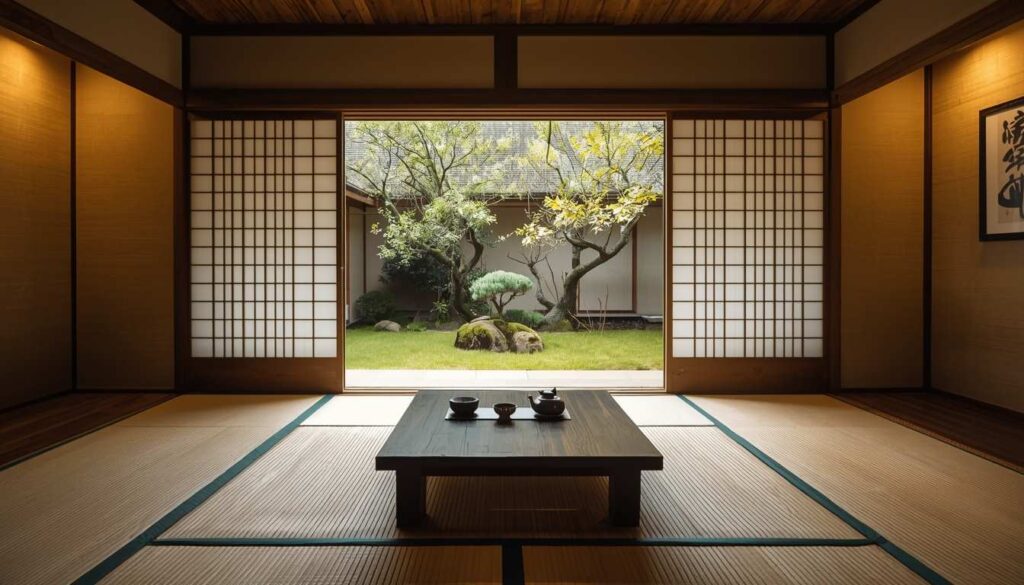
A ryokan is a traditional Japanese inn where guests sleep on futons on tatami mat floors, wear yukata robes, and are served multi-course kaiseki dinners and breakfasts in their rooms. This is Japan in its most authentic residential form — and for many seniors, the most memorable nights of their entire travel lives.
Senior considerations: Futon sleeping (on the floor) is not suitable for seniors with severe knee, hip, or back problems. Ask specifically when booking whether Western-style beds are available — many ryokans now offer them in at least some rooms. Shared or private traditional baths (onsen hot springs) are a central feature; if you have mobility concerns, confirm that the bath facilities are accessible.
Price range: ¥20,000–¥60,000/night per person including dinner and breakfast ($130–$390). Mid-range ryokans in the ¥25,000–¥35,000 range ($160–$225) offer the complete experience without the premium of the most famous properties.
Recommended areas for ryokans: Higashiyama and Gion neighborhoods place you within walking distance of Kyoto’s most important temple districts.
Option 2: Western-Style Hotels — Comfort and Convenience
International hotel brands operate throughout Kyoto — Marriott, Hyatt, Westin, and several strong Japanese chains like ANA Crowne Plaza and Daiwa Roynet. These provide the familiar comfort, elevator access, standard beds, and English-speaking staff that make logistics straightforward.
Best areas for Western hotels: Kyoto Station area provides unbeatable transport connections — you’re steps from the Shinkansen, city buses, and the subway. Downtown Kawaramachi offers walkable access to restaurants and shopping. Both areas have strong Western hotel options from $120–$280/night.
Option 3: Machiya Townhouse Rental — Local Living
Machiya are traditional Kyoto wooden townhouses, many of which have been restored and offered as self-contained vacation rentals. Staying in a machiya for a week gives you a kitchen, a private garden, and the genuine feel of living in a Kyoto neighborhood rather than visiting it.
Price range: $180–$350/night for a full townhouse. For a week-long stay, this is excellent value if you’re traveling as a couple or small group and want the kitchen to manage dietary needs or medications.
| Option | Price/Night | Best For | Senior Rating |
|---|---|---|---|
| Ryokan (traditional) | $160–$390 | Authentic Japan experience | ⭐⭐⭐⭐ (check beds) |
| Western hotel | $120–$280 | Comfort, accessibility, convenience | ⭐⭐⭐⭐⭐ |
| Machiya townhouse | $180–$350 | Week+ stays, kitchen access, local feel | ⭐⭐⭐⭐⭐ |
🗺️ What to See in Kyoto: The Senior’s Prioritized Temple and Garden Guide
Kyoto has 1,600 temples. You cannot see them all. You shouldn’t try. The seniors who leave Kyoto most satisfied are those who saw fewer things with more depth — not those who rushed through seventeen sites in four days.
Here is my honest prioritized list for seniors visiting for 7–10 days:
🥇 Tier 1: Don’t Miss These
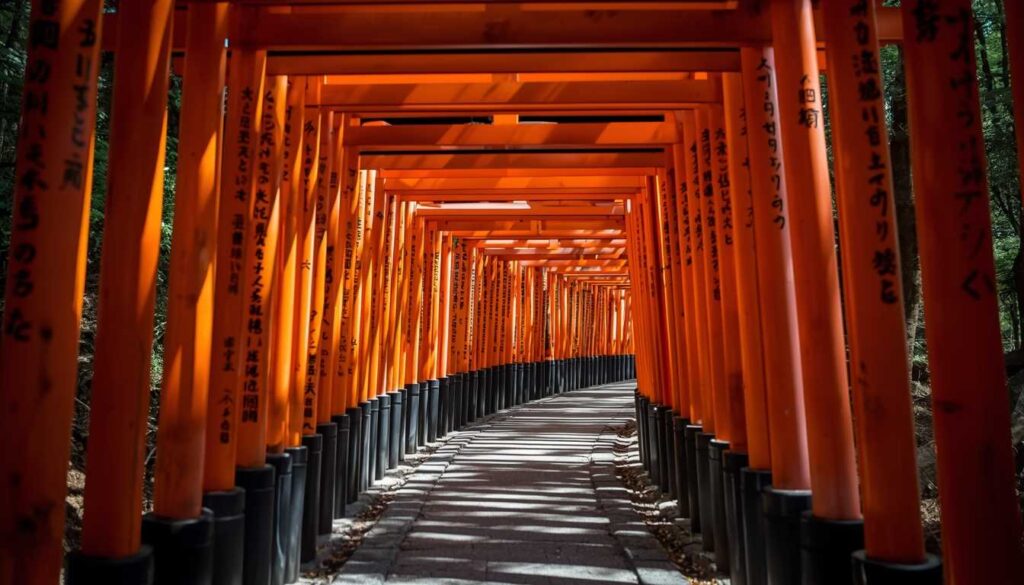
Fushimi Inari Shrine — The 10,000 Torii Gates
The most iconic image in Kyoto — thousands of vermilion torii gates winding up a forested mountain. The lower trail (first 20 minutes) is flat, paved, and entirely accessible for seniors with moderate mobility. The full mountain hike is strenuous and not necessary — the first third of the trail captures the magic completely. Go early morning (before 8am) to avoid crowds. Free admission.
Arashiyama Bamboo Grove and Tenryu-ji Garden
The bamboo grove is a 10-minute walk through towering green stalks that filter light in a way that photographs can’t fully capture. Combine it with Tenryu-ji — a UNESCO World Heritage Zen garden with a central pond reflecting the Arashiyama mountains — and you have a morning that stays with you for years. Tenryu-ji admission: ¥500 (~$3.25). The bamboo grove itself is free.
Kinkaku-ji (Golden Pavilion)
A zen temple covered in gold leaf, reflected in a mirror pond. The exterior circuit is flat, paved, and fully accessible. One of the most photographed sites in Asia for good reason. Go mid-morning on a weekday to avoid the worst crowds. Admission: ¥500.
Philosopher’s Path
A 2-kilometer stone canal path connecting several temples through a residential neighborhood. Cherry blossoms in spring, maples in fall — but genuinely beautiful in every season. Flat, easy walking. Perfect for a slow afternoon.
🥈 Tier 2: Deeply Rewarding With More Time
- Ryoan-ji — The most famous Zen rock garden in the world. Fifteen stones arranged in raked gravel. Sit on the viewing platform for 30 minutes and you’ll understand why people call it one of the most meditative experiences in Japan.
- Nishiki Market — A narrow covered market called “Kyoto’s Kitchen.” Five blocks of food vendors, pickled vegetables, fresh tofu, street snacks. Easy walking, no hills, brilliant sensory experience.
- Gion District at Dusk — Kyoto’s historic geisha district is best experienced in the early evening when the traditional machiya townhouses are lit and the occasional maiko (apprentice geisha) moves between appointments. Walk, don’t photograph aggressively — Gion has specific rules about photographing geisha.
- Nijo Castle — A 17th-century shogun castle with original interiors and famous “nightingale floors” designed to squeak under approaching footsteps. Flat, paved grounds. Excellent accessibility.
⚠️ Senior mobility note: Many Kyoto temples involve gravel paths, stone steps, and uneven terrain. Most major sites have accessible routes for visitors who cannot manage steps. Call ahead or check the temple’s official website if you use a walker or wheelchair. The major UNESCO sites are increasingly accessible but not uniformly so.
🍱 What to Eat in Kyoto: The Senior’s Food Guide
Kyoto cuisine — called Kyo-ryori — is among the most refined in the world. It’s also, for American seniors, surprisingly digestible: light, not heavily spiced, built around vegetables, tofu, fish, and rice rather than rich sauces or heavy proteins.
Must-Try Foods in Kyoto

🍵 Matcha Everything
Kyoto is the home of Japanese tea culture. Matcha ice cream, matcha mochi, matcha cake, matcha lattes — everywhere. The antioxidants are real; the flavor is extraordinary.
🥢 Kaiseki
The multi-course Japanese haute cuisine — small, beautiful, seasonal dishes served in sequence. A mid-range kaiseki dinner costs $50–$90 in 2026 at current exchange rates. Worth it once.
🍜 Ramen and Udon
A bowl of excellent ramen costs ¥800–¥1,200 ($5–$8). Warm, filling, and available everywhere. Point at the menu picture if needed — it works perfectly.
🧆 Tofu Cuisine
Kyoto is famous for its fresh tofu. Yudofu — tofu simmered in kombu broth — is a Kyoto specialty particularly popular near Nanzen-ji temple. Gentle on digestion, genuinely delicious.
Practical Eating Tips for American Seniors in Kyoto
- Point and order: Most restaurants display plastic food models or picture menus. Pointing works everywhere. Download Google Translate with Japanese offline pack before you leave — the camera translation feature reads Japanese menus in real time.
- Dietary restrictions: Vegetarian and gluten-free dining is possible but requires advance research. Strict vegetarians should look for Buddhist temple restaurants (shojin ryori) which are fully plant-based by tradition.
- Portion sizes: Japanese portions are smaller than American ones. Senior travelers often find this refreshing rather than frustrating — you eat less but better, and digestive discomfort from overeating is rare.
- Convenience stores are genuinely good: Japanese 7-Eleven, Lawson, and FamilyMart sell fresh onigiri (rice balls), sandwiches, salads, and hot foods of real quality. Seniors managing medications find these stores invaluable for predictable, clean food options at any hour.
🚌 Getting Around Kyoto: Transportation for Seniors
| Transport | Cost | Senior Rating | Notes |
|---|---|---|---|
| 🚌 City Bus | ¥230/ride (~$1.50) | ⭐⭐⭐⭐⭐ | Best way to reach temples. IC card (Suica) makes it seamless. |
| 🚇 Subway | ¥210–¥350/ride | ⭐⭐⭐⭐⭐ | 2 lines. Elevator access at all stations. Very comfortable. |
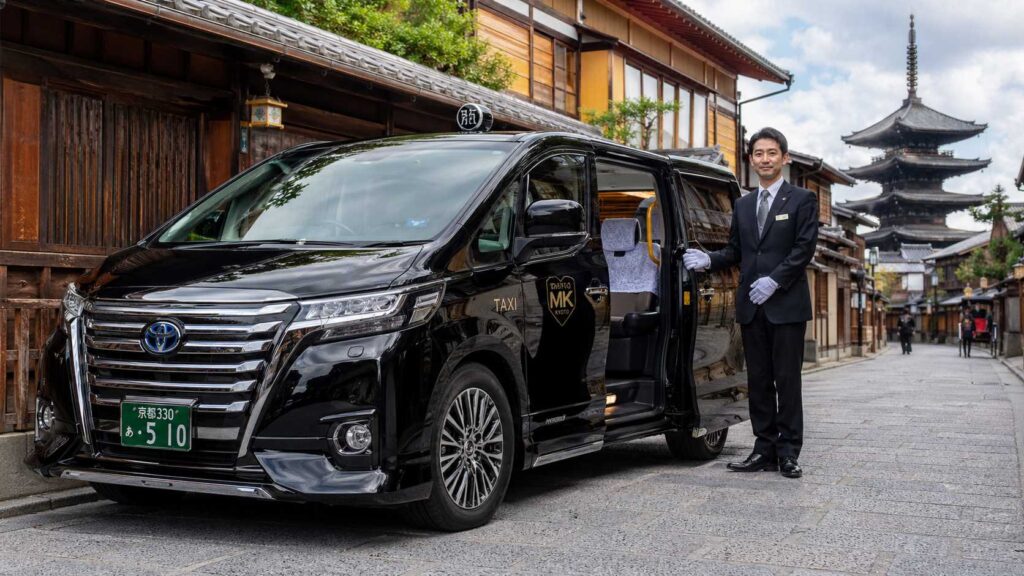
| 🚕 Taxi | ¥700 start + meter | ⭐⭐⭐⭐⭐ | Immaculately clean. Drivers wear white gloves. Door opens automatically. Show destination on phone screen. |
| 🚲 Rental Bicycle | ¥1,000–¥1,500/day | ⭐⭐⭐ | Excellent for flat central Kyoto. Not recommended for seniors with balance or joint concerns. |
| 🚅 Day trips (Shinkansen) | ¥2,870 to Osaka | ⭐⭐⭐⭐⭐ | Nara (45 min bus), Osaka (15 min), Hiroshima (1.5 hr shinkansen) |
The Suica IC card: Get one at Kyoto Station on arrival. Load yen onto it at any vending machine. Tap to enter and exit buses, subways, and trains. It also works at convenience stores and many restaurants. This single card eliminates almost all transport friction for American seniors in Kyoto.
👥 The People of Kyoto: What American Seniors Actually Experience
Japan has a reputation for formality and reserve with foreigners. In Kyoto specifically, that reputation requires some qualification.
The Japanese concept of omotenashi — selfless hospitality — is not marketing language. It describes a genuine cultural orientation toward making guests comfortable that manifests in ways American seniors consistently find remarkable. A hotel staff member who personally walks you to your destination rather than pointing. A restaurant owner who writes down your next stop’s address for the taxi driver. A stranger on the street who sees you looking at a map and stops — without being asked — to help.
You will not be treated with suspicion, impatience, or condescension. Slower movement, difficulty with the language, needing things repeated — all of these are handled with patience that American seniors frequently describe as the most striking cultural difference from traveling in Europe or Latin America.
The language barrier is real but manageable. Google Translate’s camera feature reads Japanese text in real time. Most major tourist sites have English signage. And the Japanese generally respond warmly to any attempt at basic courtesy — learning “arigatou gozaimasu” (thank you very much) and “sumimasen” (excuse me / I’m sorry to bother you) produces visible appreciation from locals.
💊 Health and Safety in Kyoto for American Seniors
Kyoto is one of the safest cities in the world by any measure. Violent crime is extraordinarily rare. Petty theft is rare. The streets are clean, well-lit, and walkable. American seniors consistently report feeling safer in Kyoto than in any US city they’ve visited.
Healthcare Access
Japan has excellent healthcare infrastructure. Kyoto University Hospital is a world-class facility. The Kyoto Red Cross Hospital maintains an English-language service for international patients. For routine matters, AMDA International Medical Information Center (amdamedicalcenter.com) provides English-language medical referrals throughout Japan.
Travel Insurance — Non-Negotiable
Medicare does not cover medical care in Japan. Travel insurance with medical evacuation coverage is essential for American seniors visiting Japan. Policies from providers like Allianz, Travel Guard, or GeoBlue specifically covering Japan typically cost $150–$300 for a 10-day trip. If you require emergency evacuation, uninsured costs can reach $50,000–$100,000. This is not optional.
Medications
Japan has strict import rules on certain medications. Some American prescriptions — including certain stimulants and allergy medications containing pseudoephedrine — require advance import permission. Check Japan’s Ministry of Health guidelines before departure: mhlw.go.jp. Bring more than you need, in original labeled containers, with a doctor’s letter describing your conditions and medications.
🏡 Could You Actually Retire in Kyoto? The Honest Assessment
Every American senior who falls in love with Kyoto eventually asks this question. Could I actually live here?
The honest answer: Kyoto is genuinely livable for American seniors — but the path to legal long-term residency is significantly more complex than destinations like Panama or Portugal that actively court American retirees with dedicated visa programs.
Visa Reality for American Retirees
Japan does not have a retirement visa equivalent to Panama’s Pensionado or Portugal’s D7 visa. Long-term residency options for American seniors without Japanese family connections are limited:
- Tourist visa: Americans can stay up to 90 days visa-free. Many “slow travelers” do 90 days in Japan, exit briefly to South Korea or Taiwan, and return. This is technically legal but occupies a gray area.
- Cultural activity visa: If you’re studying Japanese language or traditional arts (tea ceremony, ikebana, calligraphy) at an accredited institution, a cultural activity visa provides longer stays.
- Investment: Significant business investment can support residency applications, but this is a complex and expensive route.
The practical reality for most American seniors: Kyoto is better experienced as an extended visit (1–3 months) or a regular destination to return to than as a permanent retirement home under current visa structures. For comparison with destinations that offer clearer retirement paths, see our guides on Panama City for American Seniors and Retiring in San Miguel de Allende.
Cost of Living If You Could Stay
If residency were solved, Kyoto’s cost of living for a comfortable senior lifestyle:
| Category | Monthly Cost (USD at current rates) |
|---|---|
| Apartment rent (1–2BR central Kyoto) | $700–$1,200 |
| Groceries and dining | $500–$800 |
| Transportation (bus/subway pass) | $60–$100 |
| Utilities | $100–$180 |
| Health insurance (international) | $200–$400 |
| Total (comfortable couple) | $2,000–$3,200/month |
📅 Your Ideal Kyoto Itinerary: 10 Days for Seniors
Days 1–2: Arrival and Orientation
Arrive Osaka Kansai Airport, take the Haruka Express directly to Kyoto Station (75 min, ¥3,430). Check into hotel, rest. Day 2: Nishiki Market and Gion evening walk to recover from jet lag without overexerting.
Days 3–4: Eastern Kyoto Temples
Fushimi Inari (morning, early), Kiyomizu-dera Temple, Philosopher’s Path. These are all walkable or short taxi/bus rides from each other. Take it slow — these two days have the most stair climbing.
Days 5–6: Western Kyoto and Gardens
Arashiyama Bamboo Grove and Tenryu-ji Garden (morning), Kinkaku-ji (Golden Pavilion, afternoon). Day 6: Ryoan-ji rock garden and Nijo Castle.
Day 7: Day Trip to Nara
45-minute bus or train. Hundreds of wild deer bow for crackers. Todai-ji temple houses the world’s largest bronze Buddha. Flat, easy walking. Back by dinner.
Days 8–9: Slower Pace + Personal Interests
One day entirely free for revisiting a favorite site, a tea ceremony experience ($30–$60 through any hotel concierge), a cooking class, or simply sitting in a temple garden with a book.
Day 10: Departure
Morning at Kyoto Station’s department store food hall (depachika) for final food shopping. Train to Osaka airport.
💡 Practical Tips American Seniors Should Know Before Arriving
- 🏧 Cash is still king in Japan. Many smaller restaurants, temples, and shops don’t accept credit cards. Withdraw yen from 7-Eleven ATMs, which reliably accept American cards with English menus.
- 📶 Rent a pocket WiFi or buy a SIM card at the airport. Having navigation and translation on your phone at all times is genuinely important for independent senior travel in Japan.
- 👟 Wear slip-on shoes. You remove shoes at temple entrances, ryokan rooms, and many traditional restaurants. Shoes you can slip on and off without bending — loafers, slip-on sneakers — save considerable effort over 10 days.
- 🎒 Pack light. Japan has excellent luggage forwarding services (takuhaibin) that ship your bags to your next hotel for ¥1,500–¥2,000. This means you can travel between cities with just a day bag.
- 🤫 Quiet in public spaces. Japanese public norms favor quiet — phone calls on trains are frowned upon, voices are kept low in temples. Following these norms marks you as a respectful visitor and produces noticeably warmer treatment.
- 🚽 The toilets. Japanese toilets are heated, have bidet functions, and are found even in public spaces in immaculate condition. This is not a small thing for seniors managing health considerations while traveling.
Expanding Your Horizons
If you’re comparing Kyoto to other international destinations for American seniors, our complete guide to Budget-Friendly Destinations for Senior Travelers covers Europe and beyond. And if you’re thinking about maintaining online income while traveling — which many seniors now do — see our Make Money Online After 50 Master Guide and our guide on Health Insurance for Digital Nomads Over 50.

Kyoto will not be what you expect. It will be quieter, more beautiful, more human, and more moving than the photographs suggest. The seniors I’ve spoken with who have been there describe it the same way, consistently: “I didn’t expect to feel what I felt.”
The yen is weak. The temples are waiting. You’ve earned this trip. Book it before the exchange rate reminds you it was finite.
Mastering Kyoto: A Comprehensive Visual Guide: For a deep dive into Kyoto’s distinct districts and seamless transportation, watch this expert guide by Allan Su. From navigating the historic streets of Gion to exploring the golden beauty of Kinkaku-ji, this video provides the practical visuals you need to plan your 2026 itinerary with confidence.
Frequently Asked Questions: Kyoto for American Seniors
Kyoto is consistently ranked among the safest cities in the world. Violent crime is virtually nonexistent, petty theft is rare, and the city is well-lit and navigable. Solo senior travelers — including women traveling alone — regularly describe Kyoto as the safest destination they’ve visited.
A comfortable 10-day trip including flights from the West Coast, mid-range hotel accommodation, meals, temple admissions, and local transport typically costs $3,500–$5,500 per person. This includes a round-trip flight of approximately $900–$1,400 from the West Coast. Current exchange rates make this 20–30% more affordable than equivalent European destinations.
Americans can visit Japan visa-free for up to 90 days. No advance visa application is required for a tourist visit. You’ll receive a stamp on arrival permitting a 90-day stay, which covers most senior travel itineraries comfortably.
Late March to early May (cherry blossom season) and mid-October to mid-November (fall foliage) are the most beautiful times — but also the most crowded and expensive. For seniors who prefer comfortable temperatures and lighter crowds, early June and September offer pleasant weather at significantly lower prices and visitor volumes.
It is very good.Thanx..