
Italy has been calling American retirees for generations — the food, the art, the slow pace, and the Mediterranean light. If you are looking for a complete retire in italy guide americans 2026 edition, this breakdown cuts through both the romanticism and the cynicism to give you the real picture: the Elective Residency Visa, the truth about €1 houses, real costs, and what experienced expats wish someone had told them first.
Let’s start with the most important thing about retiring in Italy: it is genuinely as beautiful as you imagine. The food really is that good. The culture really is that deep. The pace of life really does feel like a recalibration of what matters. None of that is exaggerated.
The second most important thing: Italy is one of the most bureaucratically complex countries in Europe for foreign residents, the language gap is real and significant outside the main tourist corridors, and the famous €1 house programs come with conditions that most American buyers underestimate significantly.
Both things are true simultaneously. This guide helps you navigate both.
📋 Contents
- → Italy vs. Spain vs. Portugal: The Honest Comparison
- → The Elective Residency Visa: How It Works
- → The €1 House Programs: Reality vs. Hype
- → What Life Costs in Italy in 2026: Region by Region
- → The Best Regions for American Retirees
- → Healthcare: Good News and Important Caveats
- → The 7% Flat Tax — Italy’s Extraordinary Senior Incentive
- → What the Romantics Don’t Tell You
- → Frequently Asked Questions
Italy vs. Spain vs. Portugal: The Honest Comparison
| Factor | Italy | Spain | Portugal |
|---|---|---|---|
| Visa process | Moderate-complex; Elective Residency Visa | Complex; Non-Lucrative Visa | Moderate; D7 Visa |
| Income requirement | ~€31,000/year (no fixed rule — consulate discretion) | ~€28,800/year (couple) | ~€10,800/year |
| English proficiency | Lower outside tourist areas | Medium in cities | Highest in Europe |
| Cost of living | South: very low; North: moderate-high | South/center: moderate; North: high | Lisbon: high; interior: low |
| Tax incentive for retirees | 7% flat tax on foreign income (Southern Italy) | Standard progressive rates (high) | NHR ended; standard rates now |
| Cultural depth | Unmatched globally | Extraordinary | Rich but smaller scale |
| Bureaucracy level | High — legendarily complex | High | High (AIMA backlog) |
| Food quality | ⭐⭐⭐⭐⭐ | ⭐⭐⭐⭐⭐ | ⭐⭐⭐⭐ |
💡 Italy’s Unique Advantage: The 7% flat tax on foreign pension and retirement income in qualifying Southern Italian regions is extraordinary — and unlike Portugal’s eliminated NHR regime, it remains in place for 2026. For seniors with significant retirement income who move to qualifying regions, this could represent a tax saving of tens of thousands of euros annually. More on this below.
The Elective Residency Visa: How It Works
The Elective Residency Visa (Visto per Residenza Elettiva) is Italy’s path for self-sufficient foreigners who want to live in Italy without working there. It’s designed for retirees and people with passive income sufficient to support themselves.
🛂 Elective Residency Visa Requirements (2026)
| Income requirement | ~€31,000/year for single applicant; ~€37,000 for couple — but this is not codified in law. Each Italian consulate sets its own standards. Verify directly with the consulate in your jurisdiction or use the official Italian Ministry of Foreign Affairs Visa Portal to check entry requirements based on your specific situation. |
| Income source | Passive: pension, Social Security, investment income, rental income. No working in Italy permitted. |
| Where to apply | Italian consulate in your US jurisdiction — before entering Italy as a resident |
| Key document | Proof of suitable housing in Italy (rental contract or property deed) required before visa is issued — you must arrange housing before getting the visa |
| Processing time | 2–4 months typically; then must register with local municipality (comune) within 8 days of arrival |
| Initial duration | 1 year; renewable annually for up to 5 years, then permanent residency eligible |
| Italian citizenship path | 10 years of legal residency (EU citizenship) |
| Key challenge | You must have Italian housing arranged before you apply — creating a chicken-and-egg problem many applicants find frustrating |
⚠️ The Housing-First Challenge: Italy requires proof of Italian housing before it will issue the visa. This means signing a rental contract (or buying property) before you’re legally authorized to stay. Most applicants sign a rental agreement for 6–12 months while the visa is processed, then adjust once in-country. Work with an Italian relocation agent or immigration attorney who can help navigate this specific chicken-and-egg requirement.
The €1 House Programs: Reality vs. Hype
The headline that launched a thousand retirement fantasies: “Italian villages selling homes for €1.” It’s real — dozens of depopulating Southern Italian and Sicilian villages have sold homes at this symbolic price to attract new residents. And the full picture is considerably more complex than the headlines suggest.
✅ What’s Real
- The purchase price is genuinely €1
- Legal ownership transferred to you
- Some villages in genuinely beautiful locations
- Community of fellow expat buyers in popular programs
- Some government grants available for renovations
- Extraordinary sense of building something in a historic place
⚠️ What the Headlines Miss
- Renovation cost: €30,000–€150,000+ required by contract
- Renovation must begin within 12 months, complete within 3 years
- Finding reliable Italian contractors is genuinely difficult
- Many homes are structurally compromised; assessments are essential
- Villages are remote — limited healthcare, services, English speakers
- The “village” lifestyle is not for everyone — genuine isolation possible
The verdict: For retirees who genuinely want a renovation project, speak Italian or are committed to learning it, and are specifically drawn to rural village life, the €1 house programs can be a remarkable adventure. For those who primarily want an easy Italian life, they are almost certainly the wrong choice. The renovation cost and complexity alone would buy a comfortable renovated apartment in a livable Italian town without any of the complications.
What Life Costs in Italy in 2026: Region by Region
No financial breakdown in a retire in italy guide americans 2026 resource would be complete without addressing regional cost differences, which are more dramatic than almost any other European country. The difference between living in Milan and living in Calabria is equivalent to comparing San Francisco to rural Mississippi.
| Expense | Southern Italy / Sicily (Calabria, Basilicata, Sicily) | Central Italy (Tuscany, Umbria, Marche) | Northern Italy (Milan, Bologna, Venice) |
|---|---|---|---|
| Rent (2BR) | €400–€700 | €700–€1,300 | €1,300–€2,500 |
| Groceries | €250–€380 | €320–€480 | €420–€620 |
| Dining out | €150–€350 | €280–€550 | €450–€900 |
| Healthcare (private) | €100–€200 | €150–€280 | €200–€380 |
| Utilities + internet | €120–€200 | €150–€260 | €200–€380 |
| Transport | €100–€250 (car often needed) | €100–€200 | €80–€180 (excellent public transit) |
| Monthly Total (couple) | €1,120–€2,080 ($1,230–$2,290) | €1,700–€3,070 ($1,870–$3,380) | €2,650–€4,980 ($2,915–$5,480) |
The Best Regions for American Retirees
🌻 Tuscany & Umbria — The Classic American Dream in Italy
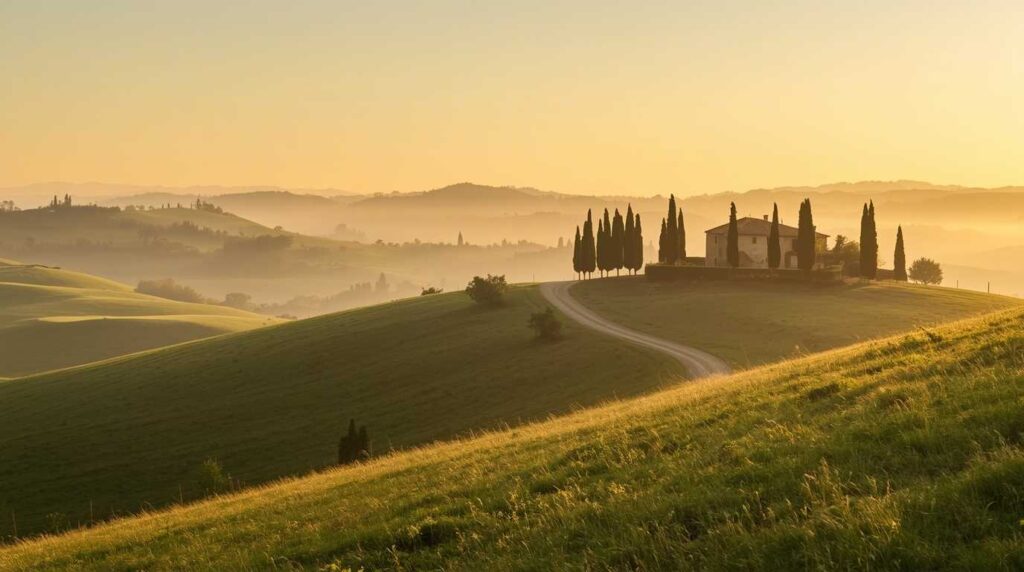
Tuscany — Florence, Siena, Lucca, the Chianti countryside — is where most Americans picture when they imagine retiring in Italy. The rolling hills, the medieval hilltop towns, the wine, the Renaissance art. It’s genuinely extraordinary. It’s also among the more expensive parts of Italy, increasingly competitive for housing, and heavily touristed in the summer months. The smaller Umbrian towns — Perugia, Orvieto, Spoleto — offer much of Tuscany’s beauty at 30–40% lower cost and without the tour bus traffic. Both regions have established English-speaking expat communities, making the initial integration easier.
🏖️ Sicily — Best Value + Most Dramatic Landscape
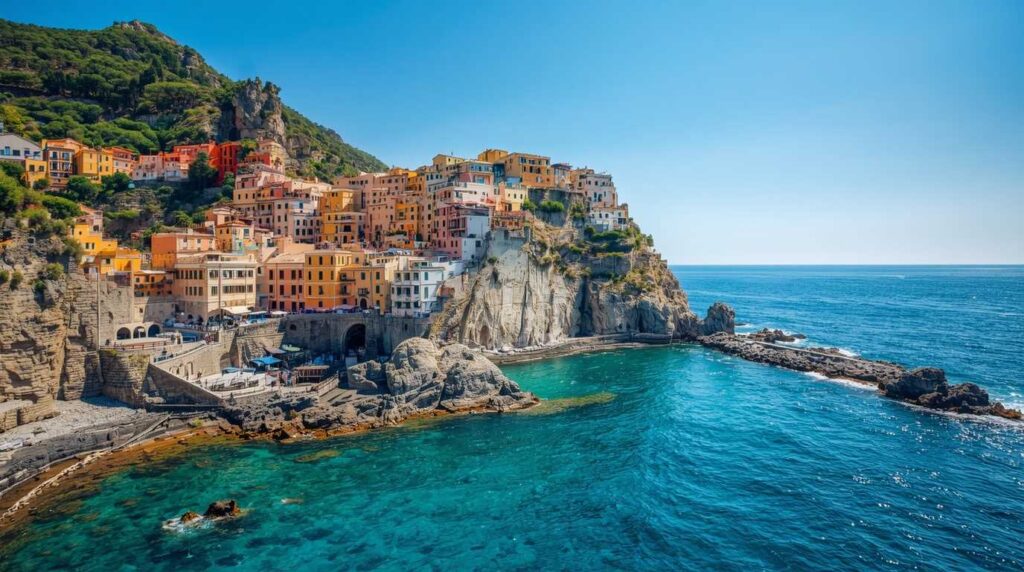
Sicily is Italy’s largest and most diverse island — ancient Greek temples, Arab-Norman architecture, volcanic Mt. Etna, the best street food in Italy (arguably), and a pace of life even slower than the mainland. It’s also where the 7% flat tax applies and where property prices remain among the lowest in Western Europe. The challenge: Sicily requires Italian, is more logistically isolated than mainland Italy, and the infrastructure (roads, internet reliability, healthcare outside Palermo and Catania) is more variable. For seniors who genuinely want deep Italian immersion at the lowest cost, it’s compelling. For those who want European convenience with Italian beauty, it requires compromise.
🍋 Puglia — Italy’s New Discovery for Smart Expats
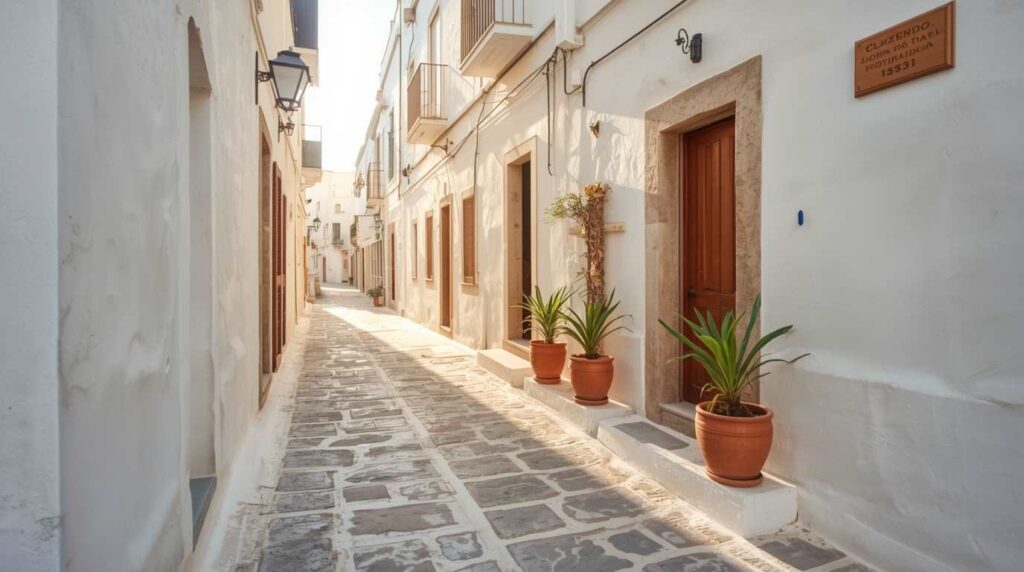
Puglia — the heel of Italy’s boot — has emerged as one of the most compelling regions for American retirees in 2026. The trulli houses of Alberobello, the whitewashed town of Ostuni, the Baroque city of Lecce (nicknamed “The Florence of the South”), and 800 kilometers of Adriatic and Ionian coastline. Costs are significantly lower than Tuscany. The 7% tax regime applies. The food is extraordinary (Puglia produces 40% of Italy’s olive oil). And it’s less discovered by American expats than Tuscany, which for many is exactly the appeal.
🏛️ Rome — For Urban Seniors Who Want Everything at Once
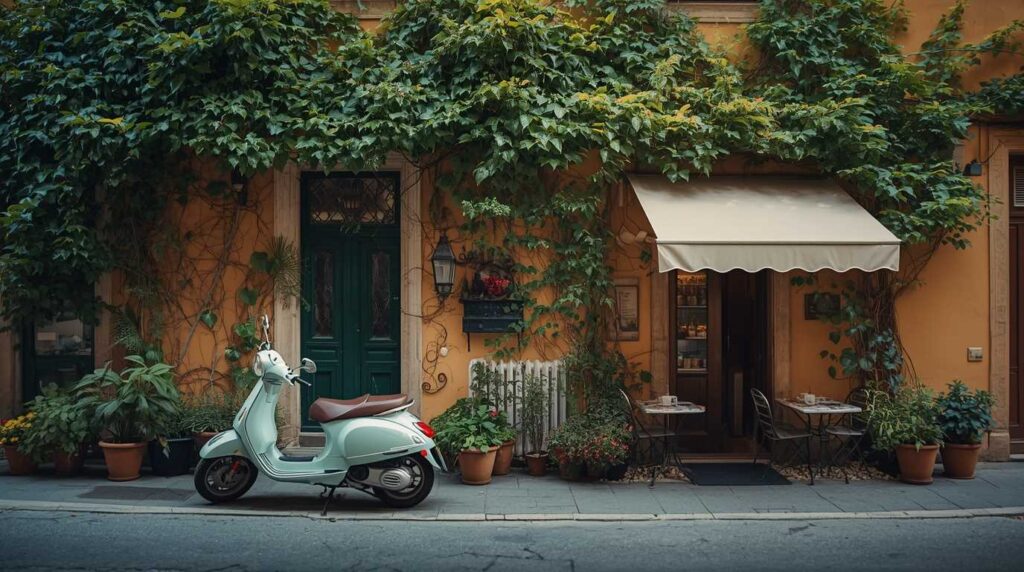
Rome is one of the world’s great cities — 3,000 years of layered history, world-class museums, excellent healthcare, superb restaurants, and a surprisingly livable daily rhythm in its residential neighborhoods (Prati, Trastevere, Pigneto). It’s also significantly more expensive than Southern Italy or Umbria, can be overwhelming in peak tourist season, and requires navigating one of the more chaotic traffic and bureaucratic environments in Europe. For seniors who are genuinely urban in their orientation and specifically love Rome’s particular character, it rewards the commitment. For those who want quiet Italian beauty, look south or to Umbria.
Healthcare: Good News and Important Caveats
An essential chapter of any realistic retire in italy guide americans 2026 update must focus on medical care. Italy’s public healthcare system (Servizio Sanitario Nazionale, SSN) is available to legal residents after registering locally, and is generally good quality in Northern and Central Italy. In Southern Italy and Sicily, the public system quality is more variable — the infamous regional healthcare disparities in Italy are real and well-documented.
The pragmatic approach most American retirees take: enroll in the SSN for serious emergencies and hospitalization, but use private healthcare for routine and specialist care. Private GP consultations cost €50–€100, while seeing a specialist out-of-pocket typically runs between €80 and €150. To cover both, comprehensive health insurance is available from Italian providers (Filo Diretto, Allianz Care, Cigna Global) for approximately €150–€350/month for a couple in their 60s — dramatically less than US equivalents.
🚨 Key Point: US Medicare does not cover care in Italy. Private Italian health insurance or international health insurance must be in place before you arrive. The Elective Residency Visa application itself requires proof of health insurance coverage. For a full guide to health insurance options for Americans abroad, see the health insurance guide for Americans over 50 abroad.
The 7% Flat Tax — Italy’s Extraordinary Incentive for Retiring Seniors
Italy introduced one of the most compelling tax incentives for retiring foreigners available anywhere in Europe: a 7% flat tax on all foreign-sourced income for new residents who move to qualifying Southern Italian municipalities (under 20,000 inhabitants in specific regions including Sicily, Sardinia, Calabria, Campania, Basilicata, Abruzzo, Molise, and Puglia).
💰 The 7% Tax in Practice
A couple with €80,000/year in foreign retirement income (pensions, Social Security, 401k withdrawals, dividends):
| Under standard Italian progressive tax | ~€26,000–€32,000 in Italian tax |
| Under 7% flat tax | €5,600 in Italian tax |
| Annual tax saving | ~€20,000–€26,000 |
The 7% regime is available for up to 10 years and requires maintaining residency in a qualifying municipality. For official guidelines and tax updates, you can visit the English portal of the Italian Revenue Agency (Agenzia delle Entrate).You still file US taxes and claim the Foreign Tax Credit for taxes paid to Italy. Work with a dual-qualified US/Italian tax professional to structure this correctly — the interaction with US tax obligations is complex.
For high-income retirees, the 7% flat tax makes Southern Italy one of the most financially compelling retirement destinations in the world. It’s the reason Puglia, Sicily, and Calabria have seen a notable increase in American and British retirees in recent years despite being more logistically challenging than Northern Italy.
What the Romantics Don’t Tell You
“Italian is not negotiable outside tourist corridors”
Unlike Portugal or the Costa del Sol, most of Italy requires Italian to function. Outside Florence’s tourist center, Rome’s expat neighborhoods, and a handful of coastal resort towns, English is limited. Doctors appointments, local government offices, landlord relationships, grocery conversations, making real friends — all require Italian. The good news: Italian is a beautiful, learnable language and Italians are generally enthusiastic about foreigners who make the effort. The bad news: “making the effort” means genuinely studying, not just picking up phrases from an app.
“The bureaucracy is not a joke — it’s a lifestyle”
Italy’s reputation for administrative complexity is entirely earned. Getting your codice fiscale (tax ID), registering at the commune, navigating the permesso di soggiorno (residence permit), opening a bank account, setting up utilities — each involves its own queue, its own office, its own requirements that may have changed since the last person told you about them. Successful Italy expats approach this with a specific humor and patience. A commercialista (Italian accountant) and a local patronato (social services helper) are worth every euro of their fees.
“Internet reliability in rural areas is genuinely variable”
If you work remotely, have telehealth appointments, stream entertainment, or do anything requiring reliable high-speed internet — verify fiber availability in your specific target area before committing. Italy’s fiber network is expanding but patchy, particularly in smaller towns and rural areas where much of the €1 house activity concentrates. ADSL connections in remote areas can be unusably slow for video calls. Ask specifically about internet speeds when evaluating any potential home.
To wrap up this retire in italy guide americans 2026 edition, let’s look at the practical questions that come up most frequently during the planning phase.
Frequently Asked Questions – Retire In Italy Guide Americans 2026
Italy consistently ranks among the safest countries in Europe for overall violent crime. Petty theft (pickpocketing, bag snatching) is the primary concern, concentrated in tourist areas of major cities — Rome’s Termini station area, Florence’s historical center, Naples. The residential neighborhoods where expats actually live are generally very safe. Most American retirees in Italy report feeling very secure in their daily lives, with the caveat that situational awareness in tourist centers is warranted.
Yes — Americans can own property in Italy without restriction, based on the reciprocity principle (Italians can own property in the US). For comprehensive country conditions and legal considerations, refer to the U.S. Department of State Italy Country Information page.You’ll need a codice fiscale (Italian tax ID) to purchase. Italian property transactions involve a notaio (notary) who is neutral and handles the legal transfer. Budget 10–15% above the purchase price for transaction costs (taxes, notary fees, agency fees). Before buying, especially in Southern Italy or rural areas, have the property independently surveyed by a geometra (Italian land surveyor). Properties at €1–€50,000 often have structural or legal issues that a survey will reveal.
Rome is approximately 8–9 hours from New York and 11–13 hours from the West Coast. Milan is slightly closer. Direct flights operate from New York (JFK), Newark, Boston, Chicago, Los Angeles, and Miami to Rome and Milan. Connecting flights are available from most US cities via European hubs (London, Frankfurt, Amsterdam, Paris). Round-trip fares range from $600–$1,200 depending on season and how far in advance you book. The distance from family is Italy’s most significant practical challenge for American retirees — plan for 2–3 US visits per year and budget accordingly.
For most first-time Italy expats, Umbria offers the best balance: Tuscany-level beauty at 30–40% lower cost, established English-speaking expat communities in towns like Orvieto and Perugia, good infrastructure, and genuine Italian character without the overwhelming tourist traffic of Florence or Rome. For seniors specifically attracted by the 7% tax, Puglia (particularly the area around Lecce and the Valle d’Itria) is the emerging sweet spot — beautiful, affordable, and increasingly welcoming to foreign retirees.
Use your 90-day Schengen visitor allowance to rent an apartment (not a hotel) in your target region for 2–3 months. Shop locally, attend language classes, deal with a utility or banking issue, and experience the area through a full season — ideally including a shoulder month (October, November, or March) when tourist crowds are absent and authentic local life is visible. Connect with the Italy-America Association and expat Facebook groups (Americans in Italy, Expats Living in [region]) to meet people who have already done what you’re considering.
For Those Who Go In With Open Eyes
Italy will not make your life easy. The bureaucracy is real. The language gap is real. The logistical distance from family is real. The €1 houses are not the miracle they appear.
And Italy will give you things that are genuinely irreplaceable. A Tuesday morning at a Pugliese market buying vegetables from the person who grew them. A dinner in a Sicilian family trattoria where the menu doesn’t exist and the grandmother decides what you’re eating. Sunday morning in an Umbrian hilltop village when the bells ring and time does something strange. A walk through Lecce’s Baroque old city on a warm October evening when the light turns the honey-colored stone gold.
For the senior who goes in knowing what it requires and wanting what it offers — Italy is one of the great remaining gifts available to a human life. It just asks that you show up for it honestly.
Explore more international retirement destinations: