
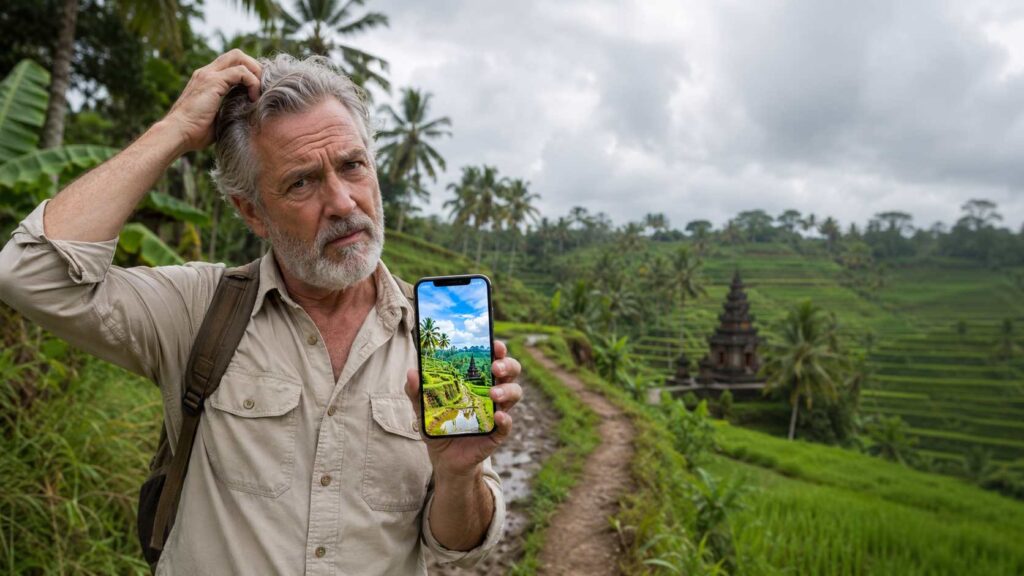
Bali has been the retirement fantasy of a generation — rice terraces, $5 massages, spiritual calm, and a lifestyle that costs a fraction of what it does in the US. Parts of that are still true. Others reflect outdated assumptions. This comprehensive retire in bali guide americans 2026 tells you the truth — honestly.
There is a Bali that exists in the imagination of most Americans who dream about retiring there: a timeless island of Hindu temples, terraced rice paddies, cheap organic food, and a slower, more intentional pace of life — all for $1,500/month. That Bali is real. It exists in Ubud’s artistic heartland, in the quieter northern and eastern villages, in the morning light over Jatiluwih’s UNESCO-listed rice terraces.
There is also the 2026 version of Bali: Seminyak and Canggu so crowded and expensive that European transplants call them “Shoreditchville.” Traffic in the south that rivals Bangkok. A digital nomad and influencer economy that has transformed Ubud’s center into something that feels more like Williamsburg than Southeast Asia. And a visa situation that is genuinely more complex than most guides acknowledge.
Both Balis exist. Which one you find depends almost entirely on where you go, how you structure your life, and how prepared you are for the parts that don’t make the Instagram posts.
📋 Contents
6 Bali Myths vs. Reality in 2026
Let’s clear the air before we get into the practical details:
❌ MYTH: “You can live in Bali for $1,000–$1,500/month comfortably.”
✅ REALITY: You can live cheaply in Bali — in a local-style house, eating warung food, without a car. A comfortable Western-standard retirement (good villa, AC, quality food, occasional restaurants, reliable internet, healthcare) runs $2,200–$3,800/month in 2026. The $1,500 figure is outdated by 5+ years and reflects a lifestyle most Western retirees don’t find sustainable.
❌ MYTH: “Americans can easily retire long-term in Bali.”
✅ REALITY: Indonesia does not have a dedicated retirement visa for most nationalities including Americans. Long-term legal residency requires either a Social/Cultural KITAS (limited categories), a Second Home Visa (requires significant property investment), or visa run strategies that are increasingly scrutinized. This is the single most important practical limitation of Bali retirement — more below.
❌ MYTH: “Bali is as cheap as it was 10 years ago.”
✅ REALITY: Bali has experienced significant inflation driven by massive tourism growth, post-COVID pent-up demand, and the digital nomad influx. A villa that cost $600/month in 2014 may cost $1,200–$1,800 in 2026 in popular areas. Restaurants catering to foreigners are now priced at levels comparable to mid-range US dining.
❌ MYTH: “You can own a villa in Bali as a foreigner.”
✅ REALITY: Foreigners cannot own freehold land (Hak Milik) in Indonesia. What most foreigners buy is a leasehold (Hak Sewa) for 25–30 years. The Second Home Visa requires purchasing a property with a minimum value. The leasehold structure is legal but comes with significant considerations — the land reverts to the Indonesian owner at lease end and the lease cannot always be sold to another foreigner.
❌ MYTH: “Bali is just a tourist island with no real culture.”
✅ REALITY: Away from the tourist corridors, Bali has one of the world’s most extraordinary living cultures — daily Hindu rituals woven into every aspect of life, extraordinary gamelan music and dance traditions, artistic heritage that’s genuinely astonishing. The challenge is that the tourist economy has concentrated so heavily in certain areas that finding this authentic Bali requires deliberate effort and often moving away from the most popular expat neighborhoods.
❌ MYTH: “Healthcare in Bali is inadequate.”
✅ REALITY: For routine care, Bali has reasonably good private hospital options — BIMC Kuta and BIMC Nusa Dua are internationally accredited and staffed with English-speaking doctors. For serious conditions requiring specialist care or major surgery, medical evacuation to Singapore (2 hours) or Jakarta is typically required. This limitation is real but manageable with proper travel insurance that includes evacuation coverage.
…This comprehensive retire in bali guide americans 2026 tells you the truth — honestly.
🎥 Prefer Visual Guides? Watch Before You Read
To complement our findings, this comprehensive 1-hour documentary breaks down the exact lifestyle adjustments, real villa tours, and bureaucracy updates for senior expats. It serves as an excellent visual companion to our retire in bali guide americans 2026.
The Visa Situation: What Americans Can (and Can’t) Do
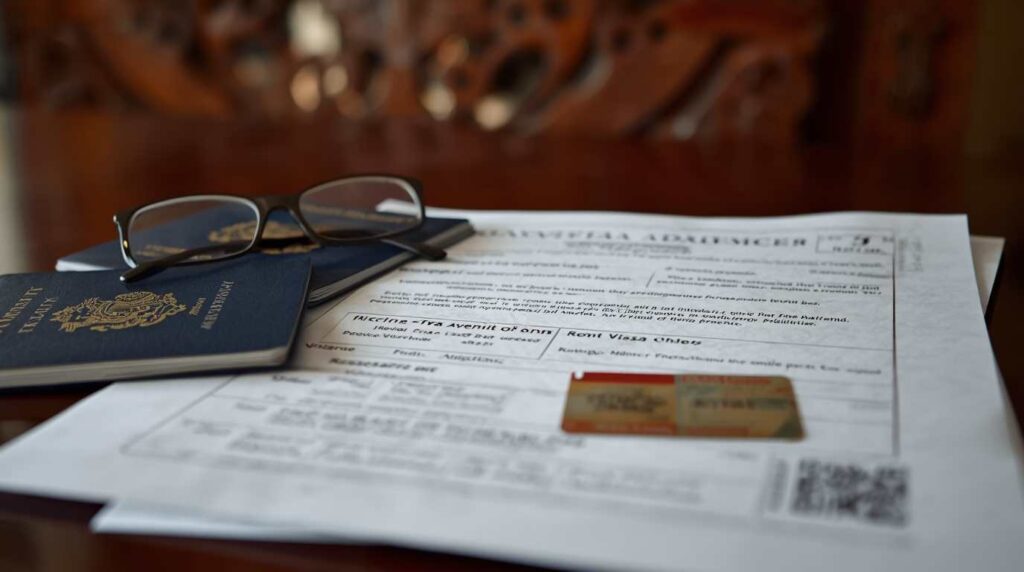
This is the most important practical section for any senior seriously considering Bali. Indonesia’s visa landscape has changed significantly in recent years and is more restrictive than many online sources suggest. For a breakdown of legal residency requirements, this retire in bali guide americans 2026 covers the primary pathways below.
For the most up-to-date requirements and official fee structures on the Second Home Visa, you can check the All Indonesia Immigration Portal before initiating your relocation paperwork.
| Visa Type | Duration | Requirements | Suitable For |
|---|---|---|---|
| Visa on Arrival (VoA) | 30 days, extendable to 60 days once | $35 fee; passport valid 6+ months | Testing Bali, extended visits — NOT for year-round living |
| B211A Tourist Visa | 60 days, extendable up to 180 days total | Apply at Indonesian consulate before arrival or on arrival at some airports | Medium-term stays; still not a residency solution |
| Social/Cultural KITAS | 1 year, renewable | Indonesian sponsor required (usually a local organization or spouse); specific categories only | Those with Indonesian connections; complex to obtain without local help |
| Second Home Visa | Up to 10 years | Must deposit/purchase property worth IDR 2 billion (~$130,000 USD) or have funds of IDR 2 billion in Indonesian bank | Retirees with sufficient assets who want long-term legal residency; most practical long-term option |
| Retirement KITAS | 1 year, renewable | Age 55+; passive income proof; health insurance; sponsor required; complex process | Technically available but administratively challenging; Second Home Visa now preferred by most |
Before initiating your relocation paperwork, it is highly recommended to verify official fee structures and current rules directly on the Official eVisa Website for Indonesia.
⚠️ The “Visa Run” Reality: Many expats have historically maintained their presence in Bali through repeated visa runs — leaving Indonesia briefly every 60 days to reset their tourist visa. Indonesia has increasingly scrutinized this practice. Immigration authorities can deny re-entry to people who appear to be living in Indonesia on tourist visas. This approach is legally precarious and increasingly unreliable. Long-term retirees should pursue the Second Home Visa rather than rely on visa runs.
What Life Actually Costs in Bali in 2026
Understanding real numbers is crucial, which is why our retire in bali guide americans 2026 focuses heavily on avoiding outdated $1,000 budget estimates. Below is a breakdown of realistic monthly costs based on current economic data on the island.
| Expense | Local/Budget Style | Western Comfort Style | Upscale Expat Style |
|---|---|---|---|
| Accommodation (villa/apt) | $400–$700 | $800–$1,500 | $1,800–$4,000+ |
| Food | $200–$350 (warung + local markets) | $450–$750 (mix) | $800–$1,400 (Western restaurants) |
| Transport (scooter or car) | $80–$150 (scooter only) | $200–$400 (car rental/driver) | $400–$800 |
| Healthcare (private) | $80–$150 | $150–$300 | $300–$500 |
| Travel insurance (with evacuation) | $150–$250 | $200–$350 | $350–$600 |
| Utilities + internet | $80–$150 | $150–$250 | $250–$450 |
| Entertainment + wellness | $100–$200 | $200–$500 | $500–$1,200 |
| Monthly Total (individual) | $1,090–$1,950 | $2,150–$3,650 | $4,400–$8,950 |
💡 Still Genuinely Affordable — But Know Which Version You’re Buying: Even at the Western Comfort level, $2,500–$3,500/month in Bali buys a quality of life that would cost $6,000–$9,000/month in San Francisco or New York. The comparison to Europe isn’t favorable — Portugal, Spain, and Greece now offer comparable or lower costs for European seniors. But compared to US coastal living, Bali at any comfort level represents significant savings combined with a dramatically different quality of life.
Where to Live: North vs. South vs. Ubud
🌿 Ubud — The Cultural Heart (Best for Most Retirees)
Ubud is where Bali’s artistic and spiritual heritage is most accessible — the art galleries, the daily temple ceremonies, the traditional dance performances, the yoga and wellness culture, the organic food scene. It’s cooler than the coast (it’s in the highlands at ~500m elevation — genuine relief from tropical heat), and the surrounding rice terraces and river valleys are extraordinary. The town center has become heavily commercial, but the surrounding villages and quieter neighborhoods remain genuinely Balinese. Most long-term retirees who want authentic Bali experience choose Ubud or its quieter surroundings.
🏖️ Canggu / Seminyak — Expat Bubble (Convenient, Not Authentic)
Canggu and Seminyak are where most digital nomads and younger expats concentrate — trendy cafes, surf beaches, well-developed Western services, English everywhere. It’s convenient, socially active, and thoroughly transformed from its origins. For retirees who want easy Western-style living with Bali’s weather and lower costs than home, it works. For those seeking authentic Balinese culture, it’s largely the wrong address.
🌊 North Bali (Singaraja/Lovina) — Quiet, Affordable, Less Infrastructure
North Bali — around Lovina beach and Singaraja — is where Bali’s costs are still genuinely low, the tourist density is a fraction of the south, and the landscape (black sand beaches, dolphin-watching, volcanic lakes, waterfalls) is spectacular. The tradeoffs: more limited English, fewer Western amenities, longer drives to major medical facilities. For retirees who want the budget version of Bali with authentic character and don’t need urban conveniences, the north is compelling.
Healthcare: The Honest Assessment
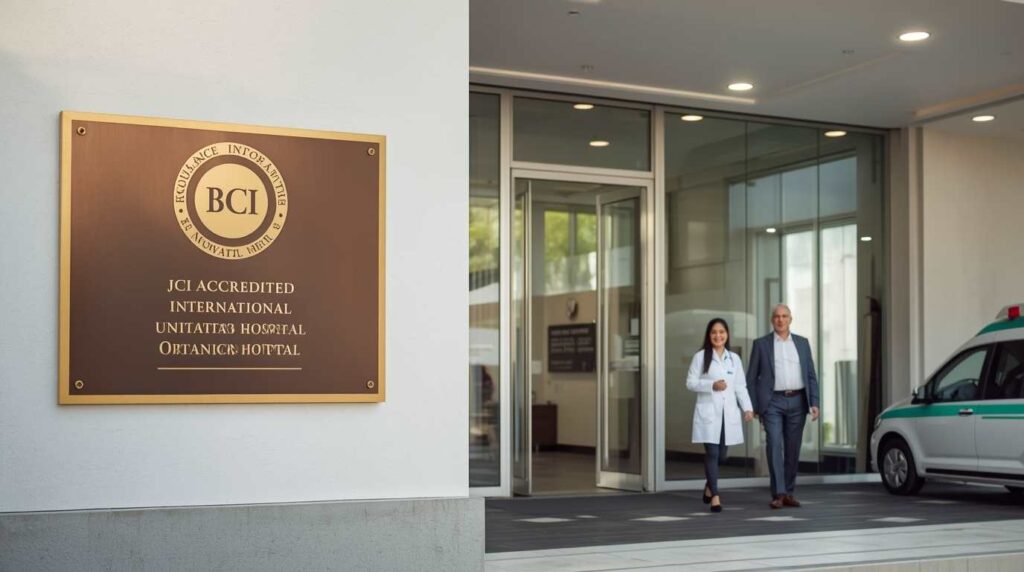
Bali’s healthcare reality: excellent for routine and moderate care, limited for serious or complex conditions. Any realistic retire in bali guide americans 2026 must outline these limitations clearly so seniors can prepare before making a permanent move.
What Bali handles well: BIMC Hospital (Kuta and Nusa Dua) is internationally accredited with English-speaking staff and handles most routine care, minor surgery, and emergency stabilization well. GP consultations cost $30–$60. Dental care is genuinely excellent and inexpensive (a complex dental procedure that costs $2,000 in the US runs $300–$600 at a good Bali clinic).
What requires evacuation to Singapore or Jakarta: Cancer treatment, major cardiac procedures, complex surgery, neurological care, and any condition requiring specialist expertise not available on the island. Singapore (2 hours by air) has world-class healthcare at prices significantly below the US — Gleneagles and Mount Elizabeth hospitals are where most Bali expats go for serious conditions.
🚨 Non-Negotiable for Bali Retirees: International health insurance with medical evacuation coverage is essential, not optional. A medical evacuation from Bali to Singapore can cost $15,000–$40,000 without coverage. US Medicare does not cover any care in Indonesia. Budget $200–$500/month for robust international health insurance — this is the single most important financial protection for a Bali retirement.
Practical Realities Most Guides Skip
While many brochures focus exclusively on sandy beaches, a practical retire in bali guide americans 2026 needs to prepare you for the bureaucratic and logistical hurdles of daily life on the island.
The Traffic Problem
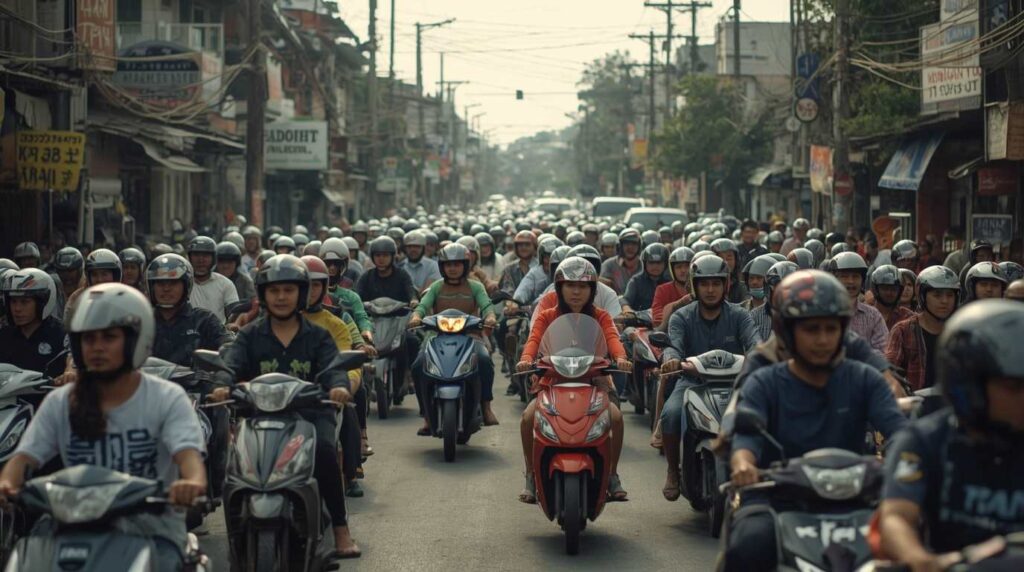
South Bali traffic — particularly in Seminyak, Kuta, Canggu, and the Denpasar corridors — is genuinely bad. What Google Maps shows as a 20-minute drive can take 90 minutes during peak hours. This significantly affects daily quality of life and is one of the most cited frustrations among long-term Bali expats. Choosing to live in Ubud or North Bali largely avoids this; living in South Bali means accepting it as a daily reality.
Banking and Money
Indonesian banking has limitations for foreigners without residency — opening a local bank account requires a KITAS or KITAP. Most visitors operate using ATMs (Visa/Mastercard work at BCA and Mandiri ATMs) with the fees and daily limits that implies. Services like Wise (formerly TransferWise) are widely used by expats for international transfers. Cash is still king in many transactions — particularly at local markets and smaller businesses.
The Rainy Season
Bali’s rainy season (November–March) brings daily heavy rain, flooding in low-lying areas, and high humidity. This is not the gentle afternoon shower that some guides suggest. Extended periods of grey skies and heavy rainfall are common. Most long-term Bali expats either embrace this cycle as part of island life or leave for drier destinations (Thailand, Australia, or back home) during the peak rainy months.
Cultural Respect Is Not Optional

Bali is a deeply Hindu island with living ceremonial traditions. The island has increasingly pushed back against foreign visitors who treat it as a backdrop for their lifestyle content — the Balinese government has increased enforcement against foreigners who disrespect sacred sites, engage in inappropriate behavior, or violate local customs. This isn’t a warning about misbehaving tourists — it’s a statement about the mindset required for a respectful long-term presence. Foreigners who approach Bali with genuine curiosity and respect for its culture are welcomed; those who treat it as cheap backdrop for their personal brand are less welcome than they used to be.
Frequently Asked Questions – Retire in Bali Guide Americans 2026
Bali is generally very safe for foreign visitors and residents. Violent crime targeting foreigners is rare. The primary safety concerns are traffic accidents (scooter accidents are extremely common — many expats recommend never riding a scooter regardless of local customs), petty theft in tourist areas, and occasional petty scams targeting tourists. The Hindu Balinese culture has a fundamentally peaceful and hospitable orientation toward visitors. The US State Department’s Indonesia advisory should be checked before travel, but Bali specifically has no elevated travel warning.
Thailand has a clearer, more accessible long-term visa path (Thailand Retirement Visa for ages 50+ with $30,000 in a Thai bank account), more developed English-speaking medical infrastructure (Bangkok’s hospitals are world-class), and generally lower overall costs for equivalent lifestyle. Bali wins on cultural intensity, natural beauty, and — for many people — spiritual atmosphere. For pure retirement practicality, Thailand (particularly Chiang Mai or coastal areas like Hua Hin) is more straightforward. For those specifically drawn to Bali’s Hindu Balinese culture, the complexity of the visa situation is worth navigating.
In the main expat areas (Ubud center, Seminyak, Canggu, Kuta), English is very widely spoken — the tourist economy has ensured English is more accessible here than in most of Asia. Outside these areas, Bahasa Indonesia (the national language) and Balinese are dominant. Learning basic Bahasa Indonesia is both practically useful and culturally respectful — it’s not difficult to reach functional conversational level and it opens relationships that English-only interaction can’t. The alphabet is Roman (the same as English), pronunciation is phonetic, and grammar is simpler than most European languages.
Bali (Ngurah Rai International Airport) is 17–22 hours from the US West Coast including connections, typically via Tokyo, Singapore, Hong Kong, or Seoul. There are no direct flights from the US to Bali. East Coast travelers should add 4–6 hours. Round-trip fares range from $700–$1,500 in economy depending on route and timing. The distance from family is one of Bali’s most significant practical challenges — it’s among the most geographically remote retirement options for Americans. Most Bali retirees plan one or two US visits per year and budget $1,500–$3,000 per trip for flights.
The honest answer is: in some areas, yes. The south — particularly Kuta, parts of Seminyak, and the worst of Canggu’s over-development — has been significantly degraded by overdevelopment and mass tourism. But Bali is a large island (5,780 sq km) and most of it remains largely unchanged — the rice terraces of central Bali, the temples and villages of the east and north, the highlands around Kintamani, the quiet fishing villages of the northwest. The challenge is that these authentic areas are less convenient and require more deliberate effort to reach and live in. Bali rewards the traveler or retiree willing to look beyond the Instagram version — and increasingly punishes the one who doesn’t.
For Those Who Go With Open Eyes
The retirees who thrive in Bali share a common characteristic: they went there for the right Bali — not the Instagram version, but the actual island. Most are genuinely interested in Balinese culture, not just in its scenic backdrop. Instead of assuming things will work out, these savvy seniors plan their visa situation well in advance, secure robust medical evacuation insurance, and choose neighborhoods based on personal values rather than where other expats concentrate.
For those seniors, Bali in 2026 still delivers something genuinely extraordinary: a living Hindu culture of remarkable depth, natural beauty that’s hard to overstate, a climate that produces extraordinary food and extraordinary light, and a slower rhythm that many Western retirees describe as the most significant positive change in their life experience.
It’s not the easy choice. It’s not the cheap choice it once was. But for the right person, it remains one of the most transformative retirement destinations in the world.
Explore more Asian and international retirement options: