
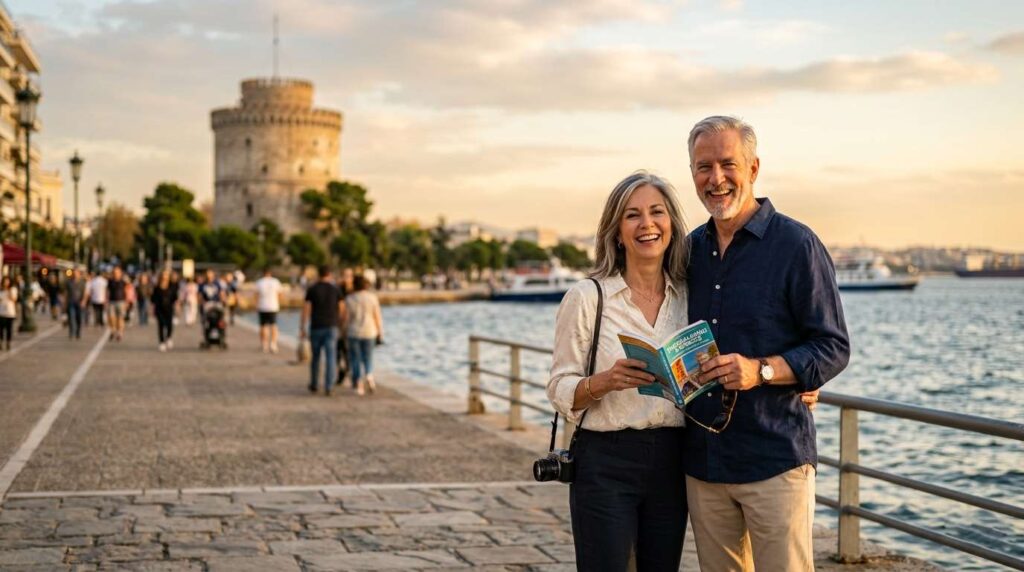
While most Americans head straight for Athens, those in the know have long considered Thessaloniki the true soul of Greece. It is a city that trades the overwhelming crowds for a deeper, more authentic character and arguably the best food in the country. If you are planning a trip and looking for a slower, more meaningful pace, this Thessaloniki travel guide for seniors is designed to help you navigate the city like a local, covering everything from historic walks to where to find the perfect morning bougatsa.
Here is something Greeks will tell you, unprompted, if you spend any time talking to them about their country: Thessaloniki has the best food in Greece. Not Athens, not Crete, not the islands — Thessaloniki. They will say this with conviction and without much hedging, and the food writers who have spent serious time in both cities tend to agree with them. This is already a significant recommendation for senior travelers who understand that food is not incidental to a trip but central to it.
But Thessaloniki — Greece’s second-largest city, built on the shores of the Thermaic Gulf with the shadow of Mount Olympus visible on clear mornings across the water — offers far more than cuisine. It is a city of 15 UNESCO-listed Byzantine monuments, a waterfront that rivals any in the Mediterranean, a cultural calendar that punches well above its size, and a university-driven energy that makes it feel youthful and alive in a way that most cities twice its size don’t manage. This Thessaloniki travel guide for seniors covers everything you need to know — including the things most guidebooks don’t mention.
📋 Contents
- → Why Thessaloniki Deserves More Credit From American Seniors
- → Best Time to Visit Thessaloniki for Seniors
- → Getting to Thessaloniki: Flights, Bus & Train from Athens
- → Getting Around Thessaloniki
- → Top Sights for Seniors: Byzantine, Roman & Waterfront
- → Thessaloniki’s Food Scene: Why Greeks Say It’s the Best
- → Day Trips from Thessaloniki for Seniors
- → Where to Stay in Thessaloniki for Seniors
- → Real Costs in Thessaloniki 2026
- → Frequently Asked Questions
Why Thessaloniki Deserves More Credit From American Seniors
Thessaloniki sits at a crossroads that has made it one of the most historically layered cities in Europe. Founded in 315 BCE by Alexander the Great’s general Cassander (named for his wife Thessaloniki, Alexander’s half-sister), it became the second city of the Byzantine Empire, a major Ottoman cultural center for five centuries, a pivotal hub of Sephardic Jewish culture after 1492, and the birthplace of both Mustafa Kemal Atatürk (founder of modern Turkey) and of Greek prime ministers and Nobel laureates. All of that history is still present, embedded in the fabric of the city.
For American seniors who find ancient ruins more intellectually engaging than beach holidays, Thessaloniki offers something Athens doesn’t: living Byzantine architecture. While Athens is primarily classical and Roman, Thessaloniki’s most spectacular monuments are Byzantine churches from the 4th through 14th centuries — 15 of them listed as UNESCO World Heritage Sites — many of which are still functioning places of worship. You don’t view them through a fence; you walk inside, sit in the nave, and look up at mosaics that have been in place for 1,500 years.
💡 Thessaloniki vs. Athens — Who Should Go Where: Athens is essential for classical Greek history and the Acropolis. Thessaloniki is the better choice for Byzantine history, food culture, a more authentic urban Greek experience, and travelers who prefer a city that belongs to its residents rather than primarily to its tourists. Ideally, you’d do both — Athens for 3 nights, then the train or flight north to Thessaloniki for 3–4 nights. This combination gives you the full range of Greek civilization in one trip.
Best Time to Visit Thessaloniki for Seniors
Thessaloniki’s climate is slightly cooler and more variable than southern Greece — it has a proper spring and autumn, and genuine cold in winter. This actually works in seniors’ favor: the city is not oppressive in summer the way Athens or Crete can be, and the shoulder seasons are particularly pleasant for walking. If you are preparing your itinerary, keep this Thessaloniki travel guide for seniors nearby to ensure you visit during the vibrant Dimitria festival in October.
| Season | Temperatures | What’s Happening | Senior Verdict |
|---|---|---|---|
| March – May | 10–22°C (50–72°F) | City in bloom; outdoor terraces fill up; fewer tourists | ✅ Excellent. Walking weather, full cultural calendar, no crowds |
| June – August | 24–34°C (75–93°F) | Lively but hot midday; Thessaloniki Film Festival (November) is the big cultural event | ✅ Good. Less brutal than Athens; sea breeze helps; nearby Halkidiki beaches accessible |
| September – October | 18–28°C (64–82°F) | Dimitria festival season (October); best food and cultural calendar of the year | ✅ Best overall. Perfect temperatures; Thessaloniki at its most vibrant |
| November – February | 5–13°C (41–55°F) | Thessaloniki International Film Festival (November); Christmas markets; authentic city life | 🔵 Fine for culture-focused visits. Cold but manageable; lowest prices; no queues anywhere |
🎭 October Special: October is when Thessaloniki holds the Dimitria festival — a month-long program of concerts, theater, exhibitions, and cultural events that fills the city’s squares, theaters, and Byzantine churches with performances. If your dates are flexible and you enjoy cultural immersion, planning your visit around mid-October is a genuine upgrade to any Thessaloniki trip. Check the official program at the City of Thessaloniki website.
Getting to Thessaloniki: Flights, Bus & Train from Athens
Most Americans arrive in Greece through Athens. From Athens, Thessaloniki is 500 km north — here are the realistic options for seniors:
| Option | Duration | Cost (per person) | Senior Verdict |
|---|---|---|---|
| Domestic flight (Athens → Thessaloniki) | 55 min flight + airport time | €40–€120 one-way (Aegean, Sky Express) | ✅ Fastest, most comfortable. Thessaloniki Airport (SKG) is 15km from center; taxi to hotel €25–€35 |
| InterCity Train (Athens → Thessaloniki) | 4–4.5 hours | €35–€65 one-way | ✅ Excellent scenic option. Modern trains; comfortable seats; dining car; beautiful scenery through Thessaly. Book at trainose.gr |
| KTEL Intercity Bus | 6–7 hours | €35–€45 one-way | 🔵 Budget option; longer. Modern AC coaches; rest stops; less comfortable than train for 6+ hours |
| Rental car (Athens → Thessaloniki) | 5–6 hours on E75 | Car cost + ~€20 in tolls | 🔵 Only if you plan driving throughout. Long drive for the sake of flexibility; fly or train instead if Thessaloniki is the only stop |
Thessaloniki also has direct international flights from many European cities (London, Amsterdam, Frankfurt, Rome) during summer — check if your routing allows a direct connection rather than going through Athens.
Getting Around Thessaloniki
🚶 Walking the Waterfront & Central Districts
The heart of Thessaloniki is more spread out than Nafplio or Plaka in Athens, but the essential circuit — the waterfront (Nikis Avenue) from the White Tower west to the port, then inland through Aristotelous Square up to the Rotunda and Arch of Galerius, then back along Egnatia Street — covers the main attractions in a 2–3 hour walk. The waterfront is flat, wide, sea-breezed, and one of the great urban walks in Greece. Aristotelous Square is a grand Belle Époque plaza running from the sea to the upper town, lined with arcaded buildings that provide shade. Both are excellent for senior walking with no significant elevation change.As you explore these districts, our Thessaloniki travel guide for seniors serves as your primary reference for finding the most accessible routes.
🚌 City Buses — Simple and Effective
Thessaloniki does not have a metro (one is under construction but not yet open as of 2026). The city bus network (OASTH) is extensive and covers all tourist areas. Single ticket: €0.90 purchased on board; slightly less with a transit card. For seniors, the most useful routes run along the main east-west spine (Egnatia Street) and along the waterfront. The bus stops have route maps in Greek and some have English signage. For getting to the Upper Town (Ano Poli) — Thessaloniki’s old Ottoman neighborhood with panoramic views — Bus 22 or 23 from Aristotelous Square takes you up without the steep climb. Google Maps works reliably for Thessaloniki bus navigation.
🚕 Taxis & Beat App
Thessaloniki taxis are metered, plentiful, and inexpensive. The Beat app (similar to Uber) works well in the city and is highly recommended for seniors — you see the fare estimate before confirming, pay by card, and don’t need to communicate the destination verbally. A typical cross-city taxi ride costs €5–€10. From the railway station to a central hotel: €6–€8. From the airport: €25–€35 (fixed zone rate; confirm before getting in). Thessaloniki taxi drivers are generally more conversational than Athens drivers and more likely to recommend where to eat.
🦽 Accessibility Note: Thessaloniki’s waterfront and Aristotelous Square are fully accessible and flat. The Upper Town (Ano Poli) involves steep cobblestone streets — beautiful but challenging for mobility-limited seniors. The Byzantine churches are at street level and accessible; the Archaeological Museum has full elevator access. The main challenge is the city’s general reliance on buses (no metro), but taxis fill this gap effectively.
Top Sights for Seniors: Byzantine Monuments, Roman Ruins & Waterfront
🏛️ The White Tower — Thessaloniki’s Icon
The White Tower (Lefkos Pyrgos) is to Thessaloniki what the Eiffel Tower is to Paris — the city’s defining image, standing at the eastern end of the waterfront on the seafront promenade. Built by the Ottomans in the 15th century as a fortress and later used as a prison, it was whitewashed in the 19th century as a gesture of reconciliation (hence the name). Today it houses a permanent exhibition on Thessaloniki’s history across multiple floors, connected by a spiral ramp rather than stairs — genuinely one of the most accessible major attractions in Greece. Each floor covers a different historical period; the top floor terrace has panoramic views of the city and the Thermaic Gulf. Admission: €4. Open daily except Monday mornings. Allow 90 minutes.
⛪ The Rotunda of Galerius — 1,700 Years Old and Still Standing
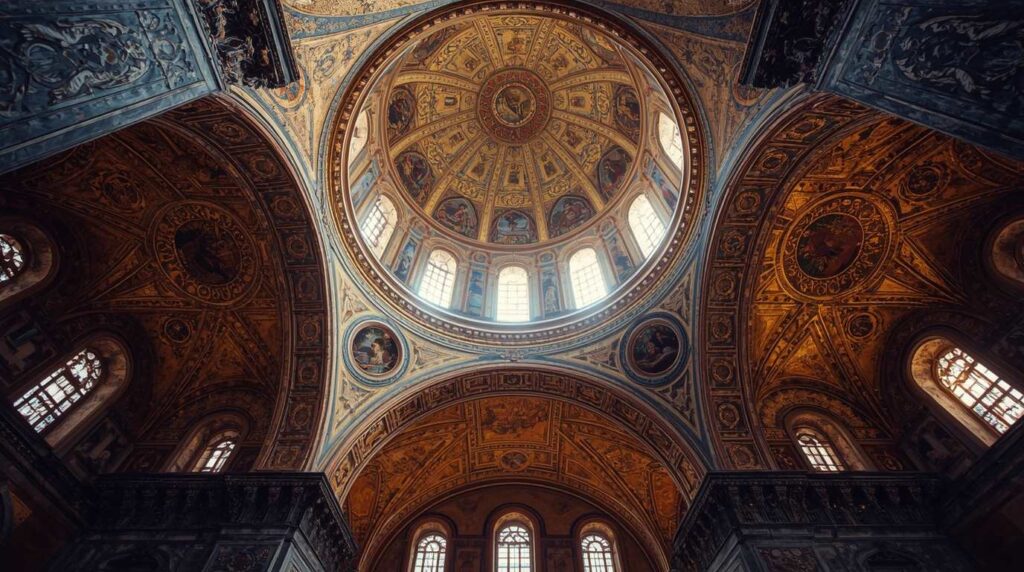
The Rotunda is one of the oldest intact buildings in Europe — built around 306 CE by the Roman Emperor Galerius as a mausoleum (he died before it was finished), it became a Christian church in the 4th century and later an Ottoman mosque. It stands 29 meters high; the interior dome retains extraordinary early Christian mosaics in the upper zone — some of the finest Byzantine art in existence, covering entire panels of the curved ceiling in gold and figure. Admission: €4. Five minutes’ walk from the Arch of Galerius (the Kamara), which is free to view from the adjacent pedestrian street. The Rotunda and Arch together are a 45-minute stop that covers more compressed history per square meter than almost any site in Greece.
⛪ Agios Dimitrios Basilica — The Soul of Thessaloniki
Thessaloniki’s patron saint is Dimitrios — a Roman soldier martyred in 306 CE whose tomb is in the crypt of this cathedral, still believed by Orthodox Christians to be miraculous. The current building dates to the 5th century, rebuilt after fires, and is one of the largest basilicas in Greece. The scale is extraordinary: five aisles, 40 columns, mosaics from the 5th through 7th centuries in the nave. Entry is free. The crypt (where the saint’s remains and the original Roman bath where he was martyred are preserved) is accessible by stairs — there’s typically a church volunteer at the door who can advise on the easiest route. This is a functioning place of deep religious significance to Greek Orthodox Christians, which means the atmosphere is unlike any museum experience: candles, incense, genuine devotion. Enter respectfully (covered shoulders for women; no shorts for either gender).
🏺 Archaeological Museum of Thessaloniki
This museum holds the finest collection of ancient Macedonian artifacts in the world — including spectacular gold burial items from royal Macedonian tombs, weapons and armor from the era of Alexander the Great, and extraordinary jewelry that makes the Macedonian goldsmiths of the 4th century BCE look like they had access to technology centuries ahead of their time. The building is fully modern, air-conditioned, and accessible. Admission: €8. Closed Mondays. Allow two to three hours. Located on the eastern end of the city near the Byzantine Museum — both can be visited on the same afternoon.
🏛️ Museum of Byzantine Culture
Adjacent to the Archaeological Museum, this is one of the finest dedicated Byzantine museums in the world — covering the full arc of Byzantine civilization from the early Christian period through the fall of Constantinople. For seniors who want to understand what they’re seeing in Thessaloniki’s churches, this museum provides the essential context. The building is modern, the displays beautifully lit, and the English-language explanations genuinely informative. Admission: €8. Closed Mondays. Combined ticket with the Archaeological Museum: €12 — one of the best museum value offers in Greece.
🌆 Ano Poli — The Upper Town
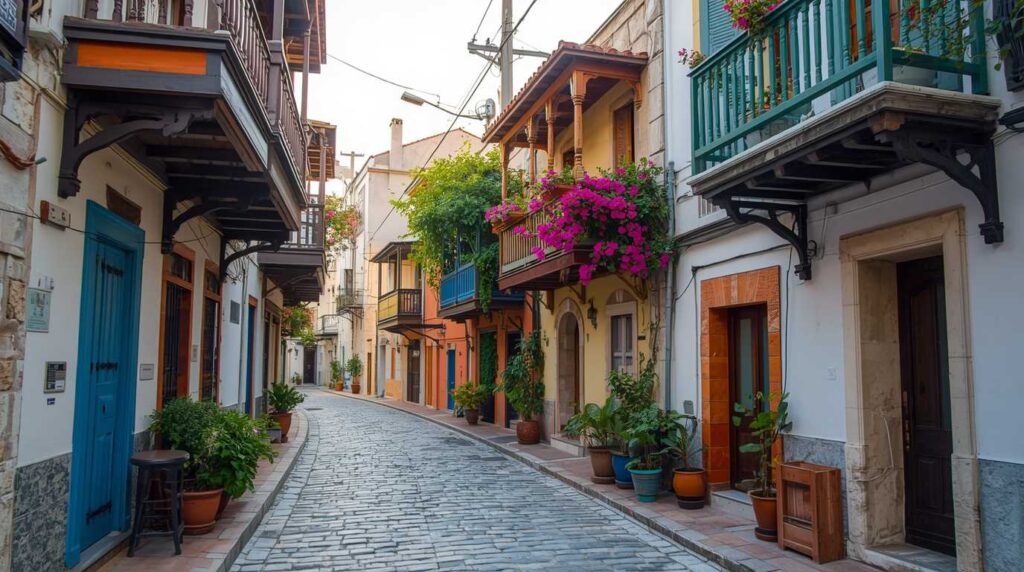
The Upper Town of Thessaloniki, preserved as a historic district, is the old Ottoman neighborhood that survived the catastrophic 1917 fire that destroyed most of the lower city. Wooden-balconied Ottoman houses on steep cobblestone lanes, Byzantine churches tucked between them, and the Byzantine walls running across the hillside. The views from the top — the city spreading to the sea, Olympus across the water on clear days — are among the best in Greece. Getting up there is the challenge: it’s a steep 30-minute climb or a short bus or taxi ride. Once at the top, the lanes are walkable (if uneven). The bus up (Lines 22/23 from Aristotelous Square) is the right choice for most seniors.
To see these historic landmarks in motion, we have included this video walkthrough. It provides a beautiful visual preview of the Byzantine architecture and the waterfront scenery we’ve explored in this Thessaloniki travel guide for seniors, helping you visualize your journey before you arrive.
Thessaloniki’s Food Scene: Why Greeks Say It’s the Best in the Country
The claim deserves examination. Thessaloniki’s food reputation rests on several specific advantages. First, its position at the crossroads of Greek, Sephardic Jewish, Ottoman, and Balkan culinary traditions has produced a cuisine with unusual depth and variety — dishes that have no equivalent elsewhere in Greece. Second, its status as a university city means a young, food-literate population that demands quality and keeps standards high across all price levels. Third, Thessaloniki has a particular relationship with the morning meal — the bougatsa and the tsoureki and the koulouri traditions here are regarded as the finest versions of these foods in Greece.
🥐 Breakfast: The Morning Ritual
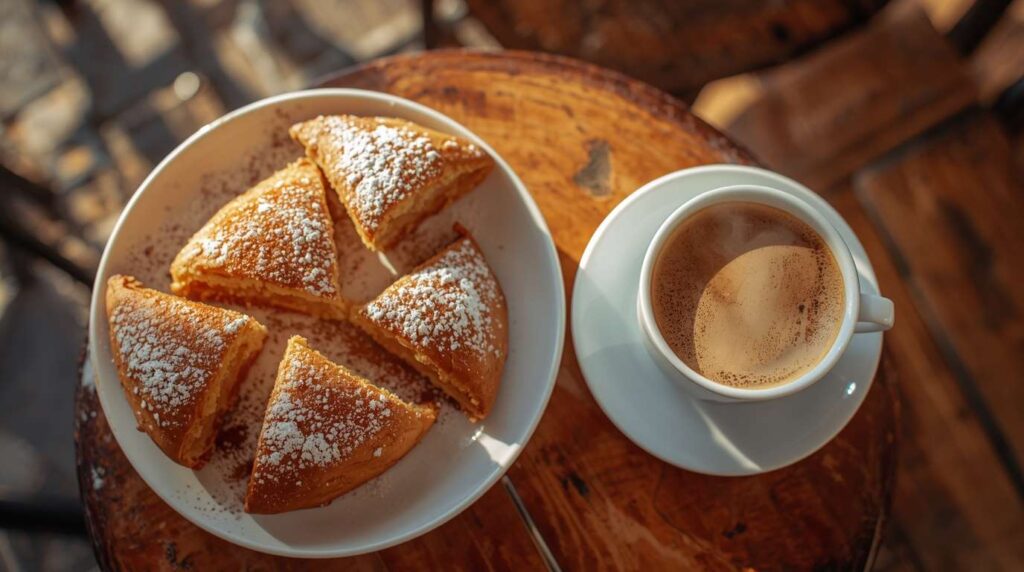
Bougatsa: Thessaloniki’s most famous food export — a warm pastry of thin phyllo dough filled with semolina custard (the classic) or cheese, dusted with powdered sugar and cinnamon. The best bougatsa in Greece is universally agreed to come from Thessaloniki; bakeries open at 6am and the morning queue of regulars is its own small theater. Budget €2–€3 per portion. Ask the bakery for it cut into pieces — the traditional presentation.
Koulouri Thessalonikis: The sesame-coated bread ring that has been sold on every Greek street corner since the Thessaloniki vendors who popularized it. In its home city, it’s notably better — thinner, crispier, denser with sesame. From a street cart: €0.80–€1. Eat it warm with a freddo coffee and feel entirely at home in the city.
🥩 The Markets: Modiano and the Covered Passages
Modiano Market — a 1920s covered market hall in the heart of the city — is one of Greece’s great food experiences. The building itself is beautiful: a glass-roofed covered market with butchers, fishmongers, cheese vendors, and produce stalls. More interestingly for visitors, the restaurants and tavernas inside and adjacent to the market serve food that is prepared from what’s sold there — the freshest possible ingredients cooked simply and superbly. Lunch here, choosing a restaurant that faces the stalls, is one of the best €15 meals in Greece. Next to Modiano is the Louloudadika flower market square, where café tables sit among flower stalls and the light through the market roof creates a particular kind of atmosphere that photographers go out of their way for.
🍷 Evening: Meze Culture and Tsipouro
Thessaloniki’s evening food culture centers on the tsipouradiko — a type of taverna that serves tsipouro (a clear spirit similar to grappa, made from grape pomace, often flavored with anise) alongside small plates of food. The ritual is specific: you order tsipouro by the round, and each round comes with a complimentary small plate of food — sardines, salted fish roe (taramosalata), olives, grilled peppers, local cheeses. The food keeps coming as long as you keep ordering drinks. It’s convivial, gradual, inexpensive, and entirely Thessalonian — you won’t find this exact format done as well anywhere else in Greece. Look for tsipouradika in the Ladadika district, the city’s restored old warehouse quarter west of the port.
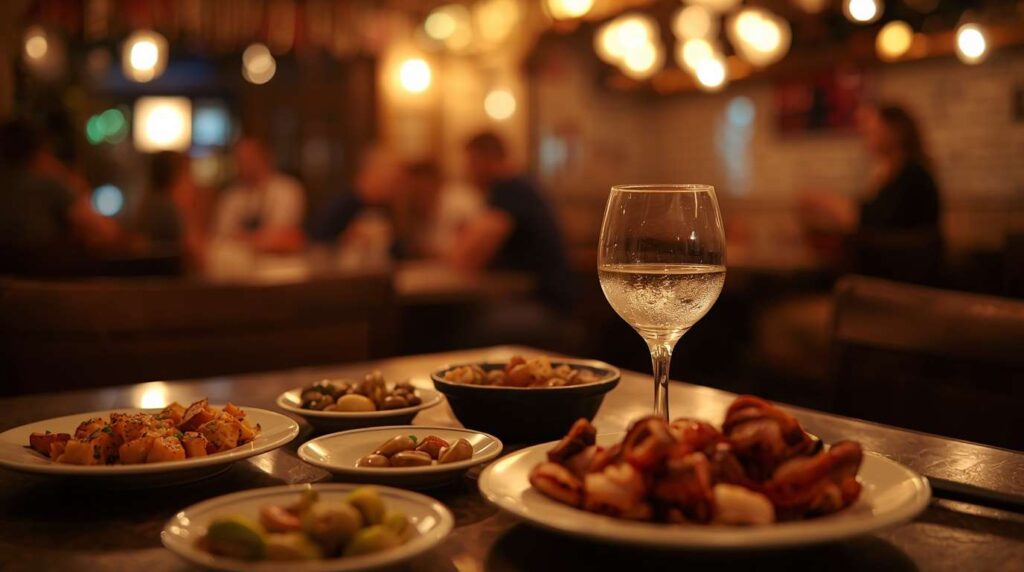
🍽️ Food Tour Recommendation: For seniors visiting Thessaloniki for the first time, a guided food tour that covers the Modiano market, the Louloudadika flower market, a bougatsa bakery, and one of the old-city tavernas provides an unbeatable 3-hour introduction. Several reputable operators run morning food tours from Aristotelous Square. Search current options on Viator with the query “Thessaloniki food tour” — prices typically run €45–€75 per person and include all tastings.
Day Trips from Thessaloniki for Seniors
Thessaloniki’s position in northern Greece puts it within striking distance of some remarkable day trip destinations — several of which are completely off the standard American tourist circuit and therefore crowd-free.
🏔️ Meteora (150km from Thessaloniki)
The monasteries of Meteora — 14th-century Byzantine monasteries perched on dramatically vertical rock pinnacles, six of which are still inhabited by monks — are among the most extraordinary sights in Europe. The rock formations alone are visually staggering; the monasteries on top of them add an almost surreal dimension. Meteora is accessible as a day trip from Thessaloniki (organized coach tours, ~€60–€80 per person, depart 7am and return by 9pm) or, better, as a one-night stop. The sites have been made accessible with paved paths and handrails; most monasteries require a modest climb to their entrance gates but nothing comparable to Palamidi’s steps. Admission per monastery: €3. Check current open days — each monastery has different visiting hours. For seniors particularly, Meteora is one of the experiences in Greece that belongs on any serious traveler’s list regardless of itinerary complexity.
🏖️ Halkidiki Peninsula (70km from Thessaloniki)
Halkidiki is Thessaloniki’s beach backyard — a three-pronged peninsula with organized, clear-water beaches that Thessaloniki residents consider excellent by any Mediterranean standard. For seniors wanting a beach day from Thessaloniki without the logistics of traveling to the islands, the Kassandra and Sithonia peninsulas offer organized sandy beaches, excellent seafood tavernas, and a 90-minute drive or organized bus from the city. The water quality is exceptional (Blue Flag throughout) and the summer crowds, while present, are primarily Greek families rather than international tourist masses. The third prong of Halkidiki, Athos, is the monastic republic of Mount Athos — women are not permitted to enter, and men require a special permit — but its silhouette across the water from Sithonia is one of the most dramatic views in Greece.
⚡ Vergina — Tombs of the Macedonian Kings (72km)
The Royal Tombs of Aigai at Vergina are among the most extraordinary archaeological discoveries of the 20th century — unearthed in 1977, the unlooted royal tombs of the ancient Macedonian capital contained treasures of astonishing quality, including artifacts believed to belong to Philip II of Macedon, Alexander the Great’s father. The tombs are preserved underground in a climate-controlled museum built over the original excavation — you walk through the actual archaeological site, with the original tombs visible exactly as they were found. The gold burial crown, the ivory portrait miniatures, the bronze armor — the quality is breathtaking. This is the most undervisited important archaeological site in Greece, which means it’s almost always uncrowded. Admission: €12. Organized day tours from Thessaloniki include Vergina combined with Veria, a nearby Byzantine town; private drivers to Vergina cost €70–€90 round trip.
Where to Stay in Thessaloniki for Seniors
Thessaloniki’s accommodation has improved dramatically in the last decade. The city now has a good range of boutique hotels, international brands, and design properties. For seniors, the central neighborhoods — near Aristotelous Square, the waterfront, or the Ladadika district — give walking access to most sights and the best restaurants. We recommend using the hotel checklist in this Thessaloniki travel guide for seniors to confirm elevator access and central locations before booking.
| Area | What It’s Like | Best For | Nightly Rate (2026, double) |
|---|---|---|---|
| Waterfront / Aristotelous Square | Central, sea views, easy walking to White Tower and museums; some noise from evening promenade activity | Seniors who want sea views and maximum walkability | €90–€200 |
| Ladadika District | Converted warehouse quarter west of port; excellent restaurants and bars nearby; quieter than the main waterfront at night | Seniors who prioritize the food scene and evening atmosphere | €80–€160 |
| Upper Town / Kastra area | Quiet, residential, panoramic views; some hill walking required to reach main sights | Seniors comfortable walking hills who want authentic residential character | €70–€130 |
| Modern business district (east) | International hotels (Hyatt, Makedonia Palace); easy airport access; taxi required for old town | Those prioritizing hotel amenities and accessibility over walkable location | €110–€280 |
✅ Senior Hotel Checklist for Thessaloniki: Confirm elevator access before booking — the city has a mix of older buildings without lifts and modern properties with full accessibility. Air conditioning is essential May–September. Breakfast in Thessaloniki is genuinely excellent at local bakeries (skip the hotel buffet unless it’s exceptional) — but a hotel that provides good coffee and tells you where the nearest bougatsa bakery is worth its weight in gold. Ask your hotel about the closest tsipouradiko for an authentic first evening.
Real Costs in Thessaloniki 2026
Thessaloniki is notably cheaper than Athens — generally 20–30% lower for equivalent hotel and restaurant quality. This is one of the most underappreciated aspects of visiting: you get a genuinely excellent European city experience at a price point that doesn’t require justification.
| Expense | Budget | Mid-Range | Comfortable |
|---|---|---|---|
| Hotel (per night, couple) | €55–€85 | €90–€155 | €160–€280+ |
| Meals (per day, couple) | €28–€45 | €50–€85 | €90–€160 |
| Transport (city buses + taxis) | €5–€10/day | €10–€20/day | €20–€40/day |
| Museum admissions (2–3 per day) | €8–€16/person | €16–€28/person | €28–€55/person (guided) |
| Bougatsa + morning coffee (2 people) | €5–€8 | €8–€12 | €10–€18 (café table) |
| Daily Total (couple, all in) | €95–€155 | €165–€285 | €295–€540 |
A five-night Thessaloniki trip for two at mid-range comfort — including hotel with breakfast, all meals, museum admissions, a day trip to Meteora or Vergina, and transport — runs approximately €900–€1,500, not including flights. For comparison, a similar experience in Athens would cost 20–30% more. If you’re planning a longer stay in Greece and want to understand costs across different cities, our Retire in Greece Guide has comprehensive cost tables covering all four regions. By following the budget tables outlined in this Thessaloniki travel guide for seniors, you can easily manage your daily expenses.
Frequently Asked Questions: Insights from our Thessaloniki travel guide for seniors
Three full days covers the essential highlights: Day 1 for the waterfront, White Tower, and Rotunda/Arch of Galerius; Day 2 for Agios Dimitrios, Modiano Market, and a tsipouradiko evening; Day 3 for the Archaeological Museum, Byzantine Museum, and a half-day in the Upper Town. Add a fourth day for a day trip to Meteora or Vergina — this is easily the best single-day addition to a Thessaloniki itinerary for history-minded seniors. Five days total allows a more relaxed pace, repeat visits to favorite restaurants, and genuine settling-in time.
Yes — Thessaloniki is a university city and English proficiency is high, particularly among anyone under 50. Hotel staff, restaurant servers, museum staff, and taxi drivers in tourist-facing roles all speak functional to excellent English. The Archaeological and Byzantine museums have English signage throughout. Outside the central districts, older residents in residential neighborhoods may not speak English — but Greek hospitality and hand gestures bridge most gaps. Learning basic Greek courtesies (efharisto — thank you; parakalo — please; yia sas — hello/goodbye) is always appreciated and usually generates visible warmth from locals.
Athens wins on classical history (nothing rivals the Acropolis) and international connectivity. Thessaloniki wins on food (by a wide margin), cost (meaningfully cheaper), crowd levels (significantly fewer international tourists), Byzantine history (incomparably better), and the general feeling of being in a city that belongs to its residents. For a senior’s first trip to Greece, Athens is essential. For a second trip — or for seniors who find mass tourism frustrating — Thessaloniki is the better choice. Many experienced travelers who have done both say Thessaloniki was the more genuinely pleasurable experience, even if Athens was the more impressive one.
Thessaloniki is very safe. It has a lower crime rate than Athens for tourists, virtually no pickpocketing reputation (the tourist density is lower), and a general atmosphere of engaged, community-oriented urban life. Solo senior travelers — including solo women — report feeling entirely comfortable walking freely, including evening walks along the waterfront after dinner. Normal precautions apply (don’t leave bags unattended, be aware of traffic at crossings). The primary health note for summer visitors is heat — carry water, rest midday, seek shade. Thessaloniki has good private and public hospitals; the AHEPA University Hospital is the region’s main referral center for complex care.
On clear days — particularly in autumn, winter, and spring, when the air is clean — Mount Olympus is visible from Thessaloniki’s waterfront, rising 2,918 meters above the Thermaic Gulf about 80 km to the south. It appears vast and snow-capped for much of the year. This is one of those moments that stops even jaded travelers: standing on a modern city’s seafront promenade, looking at the mountain that the ancient Greeks called home of the gods, in the form that ancient Greeks saw it. For seniors who want to get closer without a major hiking commitment, the national park town of Litochoro at the base of Olympus is 90 minutes by car from Thessaloniki — the lower slopes have well-maintained trails, and the village itself (with its gorge walk to the Enipeas river) is a beautiful half-day even for those not attempting the summit.
The City That Keeps Its Best Things for Those Who Look
Thessaloniki doesn’t advertise itself aggressively. It doesn’t need to — it has always been a city for people who already know, rather than one that needs to convince you. Greeks who live elsewhere come back for the bougatsa and the seafood and the particular quality of the evening light on the water. Byzantine scholars come for the churches. Historians come for the layers — Roman, Byzantine, Ottoman, modern Greek — all compressed into a single walkable city that the catastrophic 1917 fire somehow left its best monuments intact.
For American seniors who have done the standard European circuit and are looking for something that feels genuinely discovered rather than visited, Thessaloniki is that city. We hope this Thessaloniki travel guide for seniors has given you the confidence to book your tickets. Come with time, comfortable shoes, and an appetite. If you need more help, our Thessaloniki travel guide for seniors is here to ensure you get the rest handled perfectly.
Explore more Greece senior travel guides: